
Let's start by killing the biggest myth in residential pest control: bed bugs have nothing to do with cleanliness. We've treated bed bugs in brand-new construction. We've treated them in meticulously clean homes. We've treated them in five-star hotels. A five-star hotel can have them. A brand-new home can have them. They don't show up because your house is dirty—they show up because they hitchhiked in on luggage, secondhand furniture, a backpack from school, or a guest's overnight bag.
Once that stigma is off the table, it becomes much easier to focus on what actually works: a coordinated effort between your preparation and Romex's professional treatment. Neither side can do it alone. Here's why, and here's how.
How Bed Bugs Actually Get In
Bed bugs are obligate hitchhikers. They don't fly, they don't jump, and they don't live outdoors. They spread by crawling into personal belongings in infested environments and riding into new locations. The most common pathways include:
- Hotel and vacation stays (even upscale properties)
- Secondhand furniture, especially mattresses and upholstered items
- Shared laundry facilities in apartment complexes
- School backpacks and personal bags (particularly in dormitories)
- Visiting guests who unknowingly carry them from their own home
Understanding this removes the shame barrier that prevents many homeowners from seeking help promptly. The faster you act, the easier the problem is to resolve.
Your Preparation: Why It's Non-Negotiable
Professional bed bug treatment requires the homeowner to prepare the space before the technician arrives. This isn't optional—it directly determines how effective the treatment will be. Here's what your Romex technician will ask you to do:
Laundering
- Wash all bedding, curtains, and fabric items in the affected room(s) on the highest heat setting the fabric allows.
- Dry everything on high heat for at least 30 minutes. Heat kills bed bugs at all life stages—adults, nymphs, and eggs.
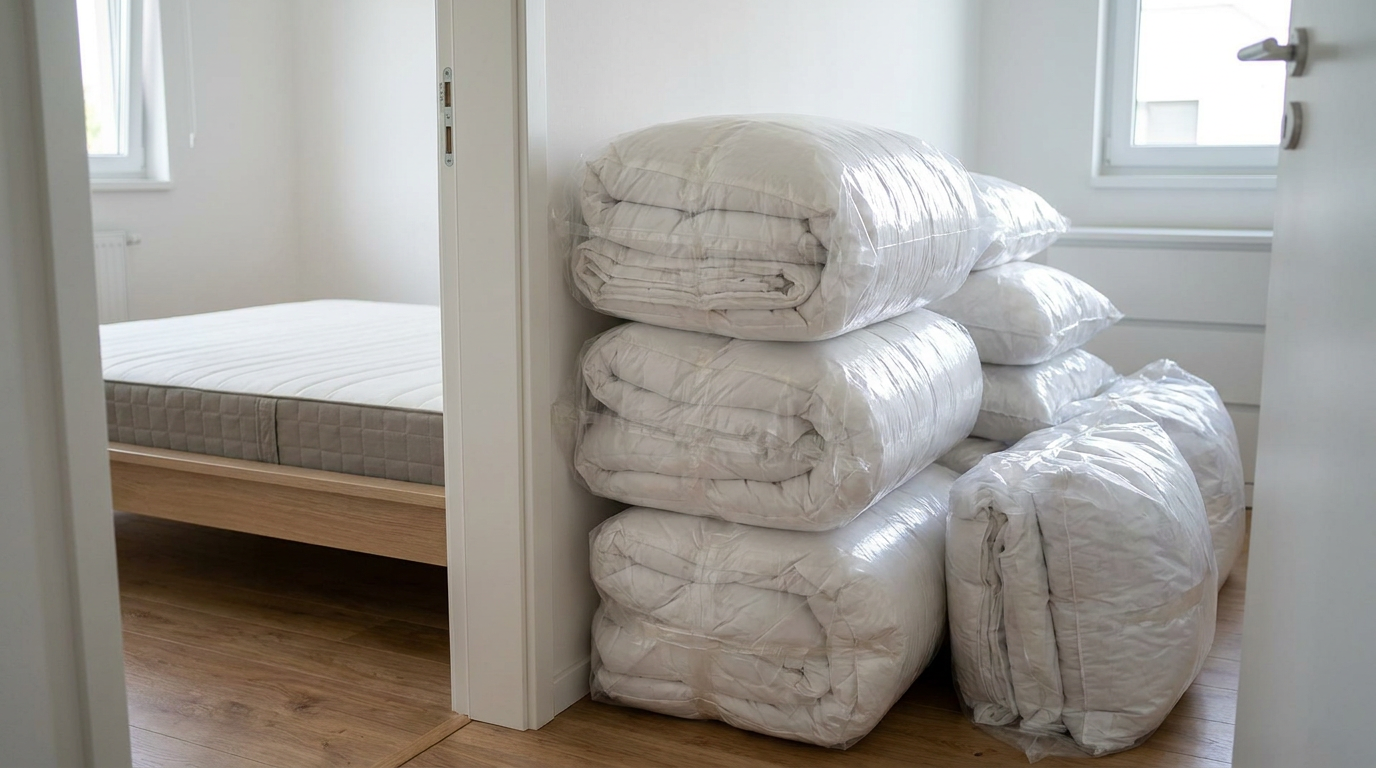
- Bag clean items in sealed plastic bags immediately. Don't put them back until treatment is complete.
Decluttering
- Remove clutter from under beds, along baseboards, and in closets. Bed bugs hide in any crevice—stacked magazines, shoe boxes, piles of clothes on the floor.
- Clear nightstands and dressers so your technician can access every surface.
- Move furniture 12–18 inches away from walls to allow full perimeter treatment.
Vacuuming
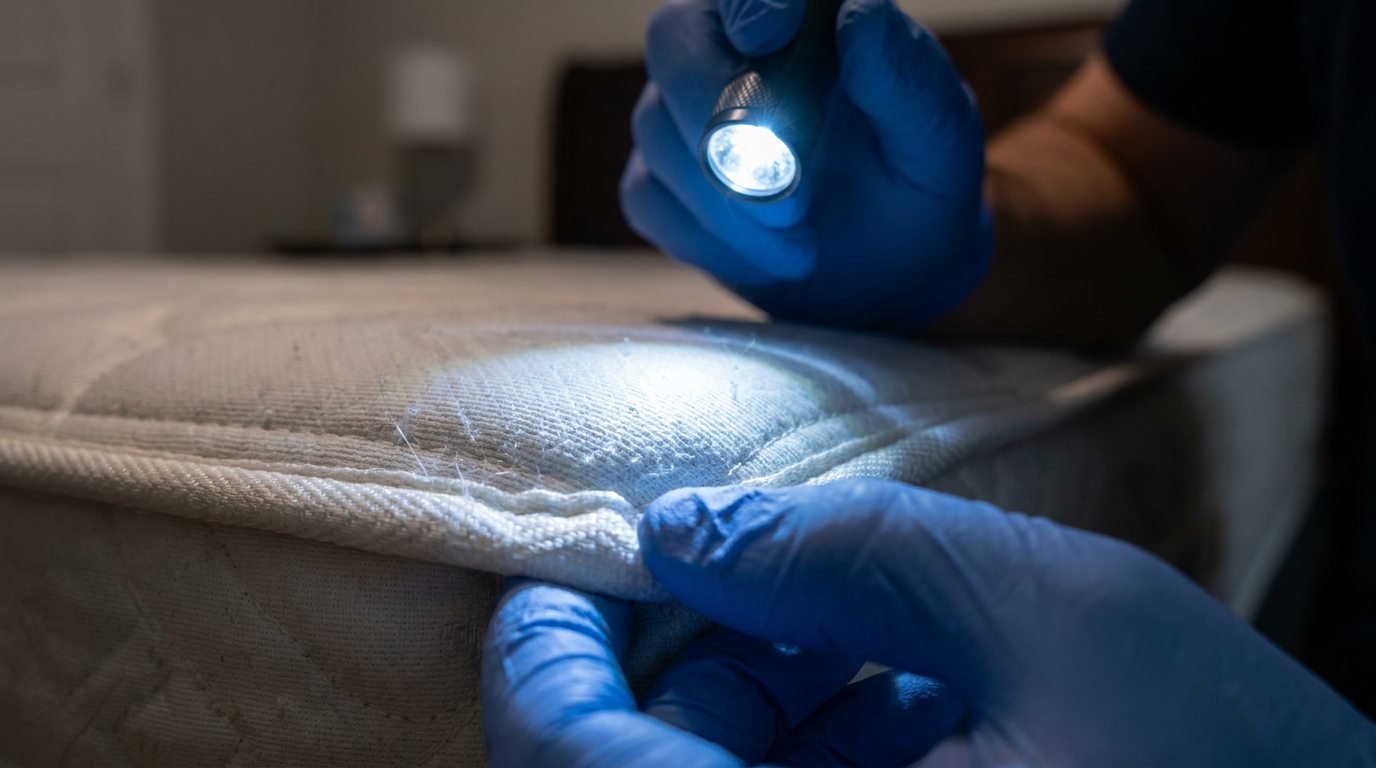
- Vacuum mattress seams, box springs, bed frames, and baseboards thoroughly.
- Empty the vacuum canister into a sealed bag and dispose of it in an outdoor trash can immediately.
The Professional Treatment: What Romex Does
Once you've prepared the space, your Romex technician applies a targeted treatment protocol:
- Thorough inspection. Using professional tools, your technician identifies all areas of activity—not just the bed, but furniture joints, baseboards, electrical outlets, picture frames, and carpet edges.
- Targeted product application. Commercial-grade residual products are applied to all identified harborage areas. These products continue killing bed bugs for weeks after application, catching nymphs that hatch from hidden eggs after the initial treatment.
- Follow-up visits. Bed bug treatment typically requires at least two visits, spaced 10–14 days apart. The second visit catches any nymphs that hatched after the first treatment. Your technician will confirm the schedule before leaving.
Why Neither Side Can Do It Alone
Without homeowner prep, the technician can't access the hiding spots where bed bugs harbor. Cluttered rooms, un-laundered fabrics, and furniture against walls create untreated safe zones where populations survive and rebuild.
Without professional treatment, homeowner efforts—no matter how thorough—rarely eliminate a bed bug population. Over-the-counter products don't have the residual activity or penetration to reach eggs hidden in mattress seams and wall voids. And bed bugs have developed resistance to many consumer-grade insecticides.
Together, your preparation opens every hiding spot, and Romex's treatment eliminates what's there. That's the partnership.
After Treatment: Preventing Reinfestation
- Encase mattresses and box springs in bed-bug-proof covers.
- Inspect luggage carefully after travel—before bringing it inside.
- Inspect secondhand furniture thoroughly before purchasing (or avoid upholstered secondhand items entirely).
- Keep clutter minimal, especially in bedrooms.
- Report any new sightings immediately for follow-up treatment.
Concerned about bed bugs? Request a quote—we'll assess the situation and walk you through the preparation and treatment plan together.