
Owning a home is a point of pride—until uninvited guests start moving in. Whether it is a spring flush of sugar ants, a mysterious rustle in the attic, or the cold-sweat discovery of termite damage behind a baseboard, pest problems can go from minor annoyance to costly repair in a matter of weeks.
The good news: most infestations in Texas, Oklahoma, Louisiana, and Mississippi are preventable. After nearly a decade of treating homes across the Southern United States—from Dallas-Fort Worth and Austin to Tulsa, New Orleans, and the Mississippi Gulf Coast—our licensed team has seen exactly what works and what wastes money. This guide distills that field experience into a practical, room-by-room playbook you can start today.
If you would rather skip the learning curve, schedule a home assessment with our licensed team to pinpoint vulnerabilities and get a clear, written plan of action.
Start with a Prevention-First Mindset
The single biggest shift in modern pest control is the move away from blanket chemical spraying toward a prevention-first approach. Instead of reacting after pests show up, you remove the three things every pest needs—food, water, and shelter—so the infestation never gets started.
A prevention-first program typically includes:
- Correct identification of the specific pest before choosing any treatment.
- Monitoring with simple tools (glue boards, bait stations, visual inspections) to catch early activity.
- Exclusion—sealing the cracks, gaps, and entry points pests use to get inside.
- Sanitation—eliminating crumbs, standing water, and harborage.
- Targeted, low-impact products applied only where monitoring shows activity, rather than broad sprays.
This approach is recommended by the EPA, every major university extension service, and every licensed technician on our team. It protects children, pets, and beneficial pollinators while delivering better long-term results than spray-and-pray.
Identify Before You Treat
Misidentifying a pest is the most common reason DIY treatments fail. A carpenter ant and an odorous house ant look similar but require very different treatments. A brown recluse and a harmless wolf spider share the same tan color but pose dramatically different risks. A flea bite on your ankle looks a lot like a mosquito bite—until the problem multiplies.
Before you reach for any product, confirm what you are dealing with:
- Look at the pattern. Flea bites cluster on ankles; bed bug bites line up along exposed skin; chigger bites appear where clothing fits tightly.
- Inspect harborage. Roaches hide under appliances; carpenter ants follow damp wood; rodents leave droppings near food sources and along wall edges.
- Use the season as a clue. Termite swarms and carpenter ants appear in spring; brown recluse activity spikes in late summer; mice move indoors in fall.
Our insect bite identification chart and pest library help you match a sighting or a bite to the likely culprit in minutes.
Defend the Kitchen: Ants and Cockroaches
The kitchen is ground zero for most household pest problems. Crumbs, grease, and moisture under the sink make it irresistible to scavengers.
 Airtight food storage removes the number-one attractant for ants, roaches, and pantry moths.
Stop Cockroaches Before They Spread
Cockroaches are famously resilient—and a public health concern. They shed allergens that trigger asthma in children and can mechanically spread bacteria like Salmonella. The two species you are most likely to fight in our service area are German cockroaches (indoor breeders) and American cockroaches (sewer roaches that wander in from outside).
Your five-point checklist for roach prevention:
- Wipe counters and stovetops nightly. Grease spatter is roach fuel.
- Store dry goods in hard plastic or glass with tight lids. Cardboard and thin plastic bags are not barriers.
- Fix dripping faucets and sweating pipes. Roaches can survive weeks without food but only days without water.
- Empty trash daily and use bins with tight-fitting lids—inside and out.
- Seal gaps around dishwashers, sinks, and stove gas lines where roaches travel between apartments or from wall voids.
If you are already seeing live roaches during daylight, the population is established and sanitation alone will not catch up. Our cockroach control service pairs targeted gel baits with insect growth regulators to break the breeding cycle.
Break the Ant Trail
When a scout ant finds a drop of honey on your counter, it lays down a pheromone trail that draws the rest of the colony within hours. Two simple tactics stop the parade:
- Erase the trail. Wipe the counters with a 1:1 mix of white vinegar and water. The vinegar disrupts the scent so followers cannot find their way back.
- Use slow-acting bait, not fast-killing spray. Sprays kill the workers you can see and mask the colony from retreating. Bait stations let workers carry a lethal dose back to the queen, which is the only way to collapse the colony.
For widespread activity or repeat invasions, a professional ant control service identifies the species (it matters—odorous house ants, fire ants, carpenter ants, and pavement ants each respond to different baits) and places them where the trail actually leads.
Protect the Structure: Termites, Carpenter Ants, and Wood-Boring Beetles
Ants and roaches are nuisances. Termites and carpenter ants are thieves—they quietly eat the structural wood in your walls and floor joists. The National Pest Management Association estimates termites alone cause more than $5 billion in property damage across the U.S. every year, and most of that damage is not covered by homeowners insurance.
Early Signs of Termite Activity
Subterranean termites—the species that causes the vast majority of damage in our region—stay out of sight inside walls, soil, and wood. Early detection relies on these four field signs:
- Mud tubes—pencil-thick brown tunnels climbing foundation walls, pier blocks, or the exterior of basement steps.
- Discarded wings near windows, doorways, and spider webs, usually after a warm spring rain.
- Hollow-sounding wood when tapped with a screwdriver handle—especially baseboards, door frames, and the wood above a damp crawl space.
- Frass (drywood termite droppings) that looks like tiny coffee-colored pellets or coarse sawdust on windowsills or baseboards.
If you spot any of these, do not disturb the area—evidence helps your inspector confirm the species and treatment plan. Book a termite inspection promptly; subterranean colonies can cause thousands of dollars of damage a year.
Control Moisture to Starve Wood Destroyers
Termites, carpenter ants, powderpost beetles, and wood-boring weevils all need damp wood to thrive. Dry out the structure and you eliminate the conditions they need. Four habits pay off:
- Clean gutters and extend downspouts so rainwater discharges at least four feet from the foundation.
- Grade soil away from the house—six inches of fall over the first ten feet is a good rule.
- Ventilate the crawl space, or install a vapor barrier and dehumidifier to hold humidity below 50%.
- Separate wood from soil. Never stack firewood against the house; keep mulch at least six inches from the siding.
For long-term peace of mind we install Sentricon® bait stations around the perimeter. Stations are monitored year-round, so if a colony ever forages onto the property, technicians catch it before damage occurs.
Keep Rodents Out of the House
Mice and rats are intelligent, adaptable, and dangerous. Once inside, they contaminate food, chew wiring (a documented fire hazard), and spread diseases including salmonellosis and hantavirus. A house mouse can squeeze through a gap the size of a pencil eraser; a Norway rat needs a gap only the width of a quarter.
Exclusion Is the Whole Game
Trapping a mouse in the kitchen does not solve the problem—there are usually more coming in the same way. Thorough exclusion is the single most effective thing you can do:
- Walk the perimeter. Inspect where utility lines, pipes, and cables enter the house. Gaps around AC line sets, dryer vents, and gas meters are classic entry points.
- Pack holes with steel wool or copper mesh first. Rodents chew through foam and caulk; steel wool does not compress and cannot be gnawed.
- Seal over the metal with heavy-duty exterior caulk or a concrete patch so it stays put.
- Install weep-hole screens on brick homes. Weep holes are an invitation to mice, wasps, and scorpions.
- Check the garage door seal. A worn bottom gasket is a highway for mice, roof rats, and snakes.
Our rodent control program includes a full exclusion inspection with a written deficiency report before any trapping begins.
Trap Safely—Skip the Rodenticides Indoors
Rodenticide bait sounds convenient, but indoor use creates two problems. First, poisoned rodents typically die inside wall voids, where the odor can persist for weeks. Second, secondary poisoning of pets, raptors, and foxes that eat the dead rodent is a real and documented risk. Inside the home, stick with classic snap traps set against walls, baited with peanut butter or a small smear of soft cheese. Place them perpendicular to the wall with the trigger facing the baseboard. Check daily, and keep children and pets away from the area.
Reclaim Your Bedroom: Bed Bugs
Few pests cause as much anxiety as bed bugs. These hitchhikers travel home from hotels, rideshares, secondhand furniture, and friends' houses, then hide in the seams of mattresses, box springs, headboards, and baseboards.
The most common early signs:
- Small, flat red welts in a line or cluster on exposed skin after sleeping.
- Rusty-brown spots (digested blood) on sheets and mattress seams.
- Tiny apple-seed-shaped adults—or their translucent shed skins—in crevices around the bed.
DIY sprays from the hardware store rarely work. Bed bugs have developed resistance to many pyrethroids, and spot-treating with a can of aerosol often scatters the population deeper into the walls. A professional treatment is almost always necessary to achieve total eradication.
Our bed bug treatment pairs residual and non-residual products with mattress encasements and a recheck visit so that eggs hatching after the first treatment are also eliminated.
Take the Fight Outside
A well-kept yard acts as a buffer between the wild and your living room. Most indoor infestations begin outside.
Yard Habits That Reduce Pest Pressure
- Trim branches and shrubs at least two feet from the roof line, siding, and fence—these are the bridges ants, rodents, and roaches use to reach the house.
- Rake leaf litter and remove dense ground cover near the foundation. Roaches, spiders, and rodents love the harborage.
- Eliminate standing water in gutters, saucers under potted plants, birdbaths, and kids' toys. Mosquitoes can complete their life cycle in less than a tablespoon of water.
- Keep mulch shallow—two to three inches—and pull it back six inches from the siding.
- Store firewood on a rack at least 20 feet from the house and at least six inches off the ground.
Eco-Friendly Options and What Actually Works
Homeowners often ask what they can do without reaching for synthetic chemicals. Several low-impact tools do have a real, if limited, effect:
- Food-grade diatomaceous earth dusted lightly along baseboards and under appliances desiccates crawling insects. Only the food-grade version is safe around pets.
- Essential-oil sprays (peppermint, cedar, citronella) mask pheromone trails and briefly deter flying insects around patios.
- Pest-repelling plantings such as marigolds, lavender, basil, and rosemary reduce mosquito and aphid pressure in the immediate vicinity of the plant.
What does not work reliably? Ultrasonic plug-in repellers. Multiple peer-reviewed studies, including work published by Kansas State and the Federal Trade Commission, have found that pests either ignore the sound entirely or acclimate within days. Treat them as a novelty, not a defense.
DIY or Call a Pro? A Decision Guide
Not every pest problem needs a professional. Not every professional problem should be DIY. Use this rule of thumb:
SituationDIY Appropriate?Call a Pro? Occasional sugar ants on the counterYes—bait + sanitationIf recurring monthly Single mouse in the garageYes—snap traps + exclusionIf droppings in multiple rooms One or two wasps at a windowYes—hornet spray from 15 ftIf you find the nest Mosquitoes in the yardPartial—source reductionFor lasting relief Live cockroaches in daylightNo—population is establishedYes Suspected termite activityNo—treatment requires licensed productYes, urgently Bed bug welts or physical evidenceNo—DIY often makes it worseYes Rodent droppings in the kitchenPartial—start exclusionYes, for inspection Brown recluse or black widow sightingsNo—harborage must be treatedYes When you do hire out the work, look for three things: a current state pesticide license, written treatment plans, and a warranty that covers re-service between visits. Our service plans include all three—plus Sentricon® certified technicians for termite work.
How Often Should a Home Be Treated?
For ongoing prevention, we recommend a cadence of every other month to quarterly—roughly every 60 to 90 days. That range keeps the residual product barrier effective between visits; stretching past 90 days lets the active ingredients weaken to the point they stop blocking new pest pressure. Properties with unusual pressure (heavy wooded lots, nearby creeks, active construction, recent infestations) may benefit from monthly service during peak spring and summer months.
Termite protection runs on a separate schedule: Sentricon® bait stations are installed once and inspected annually, giving year-round monitoring without any spraying around the foundation.
Seasonal Inspection Checklist
Run through this short checklist twice a year—early spring and late fall—to catch small problems before they explode into expensive ones:
- Walk the full perimeter and photograph any new cracks, gaps, or weep holes that need sealing.
- Check every hose bib, AC condensate line, and irrigation valve for leaks or standing water.
- Peek into the attic with a flashlight—look for mouse droppings, chewed insulation, wasp nests, and daylight coming through vent screens.
- Inspect the crawl space or basement for mud tubes, damp wood, and musty odors.
- Empty and clean gutters; confirm downspouts discharge away from the foundation.
- Refresh weatherstripping around exterior doors and the garage door.
- Schedule your next professional service so the residual barrier never lapses.
If you would rather have our licensed team handle the inspection, a thorough visual exterior evaluation is included as part of every initial service visit.
Frequently Asked Questions
Is professional pest control safe for children and pets?
Yes—when it is done right. Our technicians use products and application techniques approved by the EPA for residential use. Interior treatments are applied in targeted cracks and crevices, not in open living space. We ask customers and pets to stay out of the treated room until the product dries (typically 30 to 60 minutes).
How long does it take to see results?
It depends on the pest. Ant activity usually drops within 24 to 72 hours as bait is carried back to the colony. Cockroach populations collapse over two to three weeks as the insect growth regulator interrupts reproduction. Termite colonies eliminated with Sentricon® typically disappear in 90 to 120 days. A professional should give you a realistic timeline at the start of service.
What does initial pest control cost for a typical home?
In our service area, initial visits for a single-family home generally range from about $150 to $299 depending on square footage, landscape complexity, and the specific pest. Ongoing bi-monthly or quarterly visits average $129 to $149 a treatment. We quote flat, written pricing before any work begins—in other words, no surprise add-ons—with free reservicing between appointments if needed.
Can I skip winter service?
In Texas, Oklahoma, Louisiana, and Mississippi, cold snaps are brief. Rodents and overwintering insects (spiders, stink bugs, boxelder bugs, and some roaches) move indoors in winter, which is exactly when a refreshed interior/exterior barrier pays off. We recommend staying on schedule year-round.
What is the most important thing I can do today?
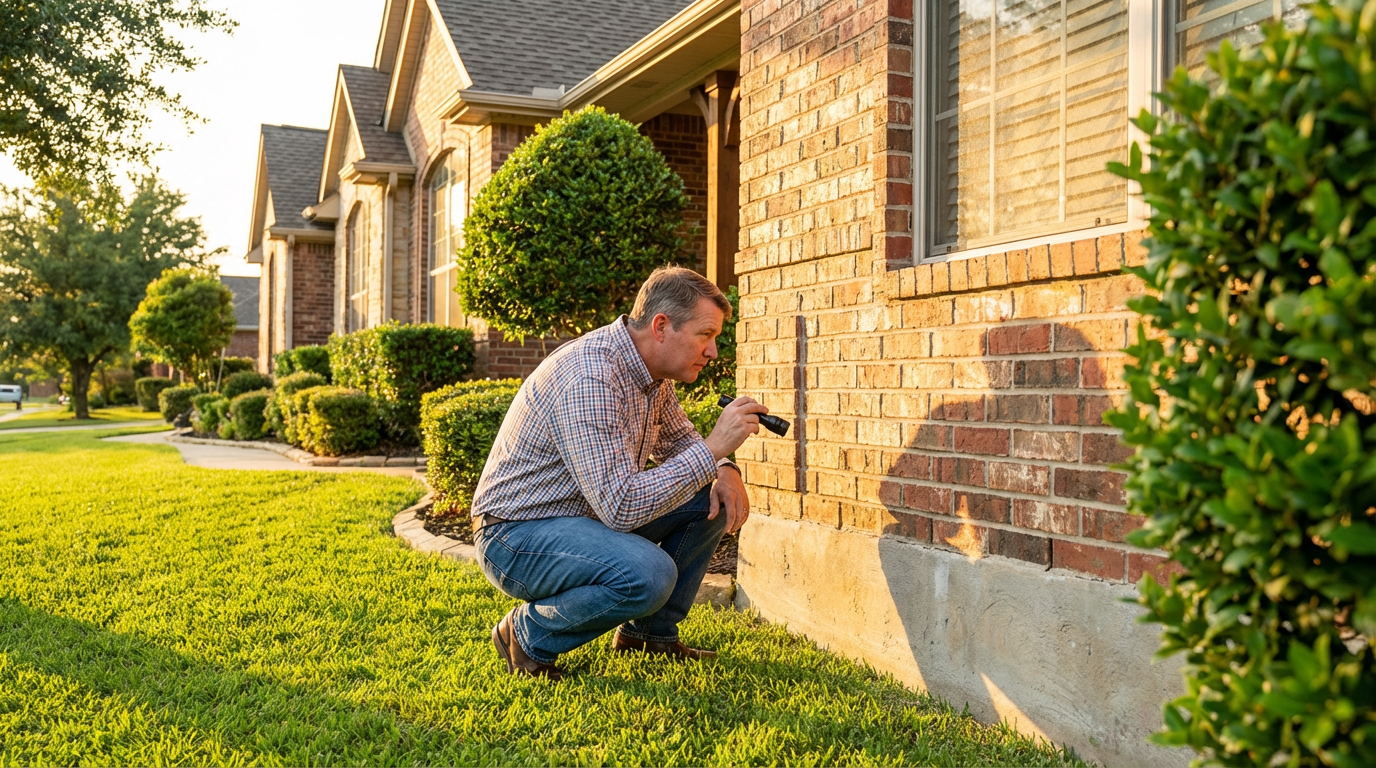
Walk the perimeter of your house with a flashlight and a pen, note every visible gap and piece of rotted wood, and put a Saturday on the calendar to fix them. Exclusion is cheap, permanent, and prevents the vast majority of pest problems. Everything else is a supplement.
Put It All Together
Pest control is not a one-time event—it is a set of small, repeatable habits layered on top of a sound perimeter and a licensed safety net. Identify first, exclude aggressively, cut off food and water, use targeted products only where monitoring shows activity, and stay on a regular service schedule during the warm months.
If you would like a second set of eyes on your home, our licensed technicians offer no-obligation free quotes across Texas, Oklahoma, Louisiana, and Mississippi. We will walk your property, document every vulnerability, and give you a clear prevention-first plan—whether you hire us for the follow-up or handle it yourself.