
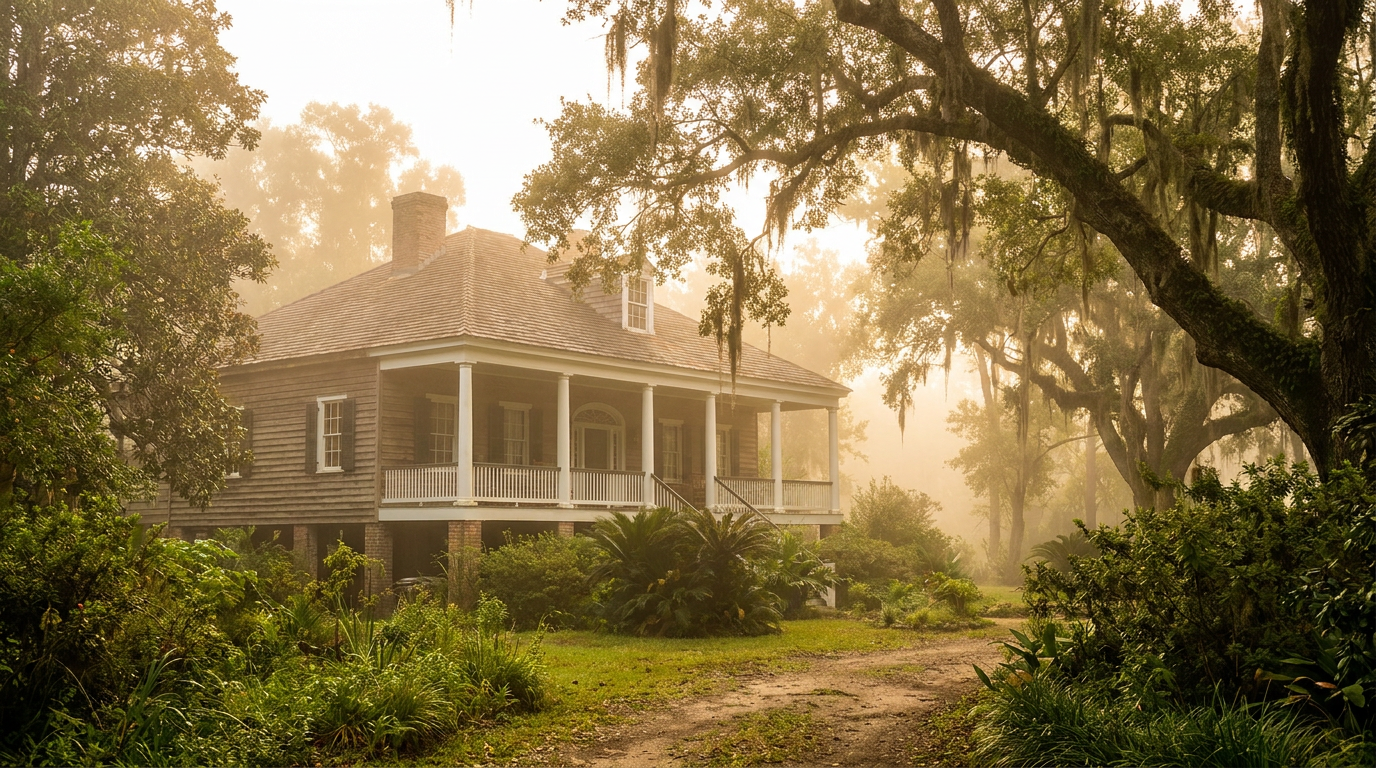
Louisiana's climate is a gift to wood-destroying insects. Our Baton Rouge and Shreveport teams see more active termite colonies per service route than any of our other markets—and it's not close. Average relative humidity above 70 percent for most of the year, warm temperatures from March through November, and frequent rainfall create conditions where subterranean termites and carpenter ants don't just survive—they thrive. For homeowners in Baton Rouge, New Orleans, Shreveport, Lake Charles, and communities across the state, managing wood-destroying insects isn't a seasonal task. It's a year-round partnership.
Why Humidity Is the Root Issue
Subterranean termites need constant moisture to survive. They build mud tubes—those pencil-sized tunnels on foundation walls—to maintain a humid microenvironment as they travel between soil and wood. In arid climates, this requirement limits where termites can operate. In Louisiana, the ambient humidity does half their work for them. Soil stays wet. Wood stays damp. Crawl spaces stay humid. Every condition that termites need is already present, naturally, year-round.
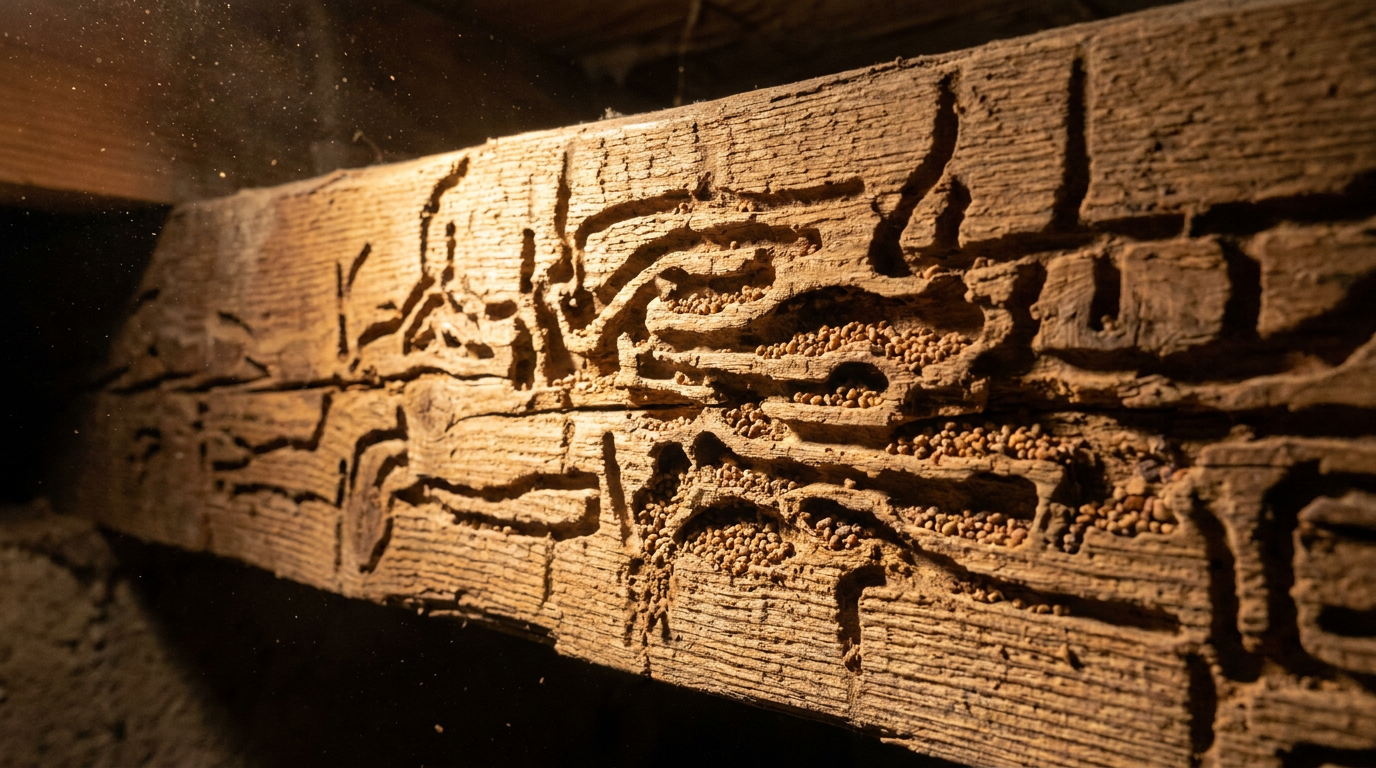
Carpenter ants follow a similar pattern. Unlike termites, they don't eat wood—they excavate it to build nests. But they strongly prefer wood that's already been softened by moisture. A water-damaged sill plate, a leaking bathroom subfloor, or a damp fascia board is an open invitation.
The Romex Approach: Sentricon + Perimeter
For Louisiana properties, Romex pairs two proven strategies:
Sentricon® Baiting System
Sentricon bait stations are installed in the soil around your home's perimeter. Termite workers find the bait during natural foraging, consume it, and share it with the colony. The active ingredient (noviflumuron) disrupts the molting process, gradually collapsing the colony over weeks. Your Romex technician monitors these stations on a recurring schedule—checking for activity, refreshing bait cartridges, and adjusting station placement as needed.
Free termite inspections are included with Sentricon monitoring. If a station shows activity between scheduled checks, we respond immediately.
Residual Perimeter Treatment
The standard ant control and general pest control perimeter treatment creates a chemical barrier that kills carpenter ants and other wood-associated pests on contact. On the standard service schedule, this barrier stays effective between visits—though Louisiana's relentless humidity and frequent rain often push creek-adjacent and low-lying properties toward more frequent visits.
What Homeowners Control: Moisture Management
Romex handles the chemical defense. Your role is managing the moisture conditions that make your home attractive to wood-destroying insects in the first place:
Crawl Space and Foundation
- Ensure proper ventilation. Crawl space vents should be open and unobstructed. If humidity readings stay above 60 percent, consider a crawl space dehumidifier or vapor barrier.
- Fix plumbing leaks immediately. A leaking pipe in a crawl space creates a termite oasis. Check quarterly—or after any plumbing work.
- Grade soil away from the foundation. Water should flow away from your home, not pool against it.
Exterior Wood and Landscaping
- Keep firewood 20+ feet from the house and off the ground.
- Replace any wood-to-soil contact. Fence posts, deck supports, and landscape timbers that touch the ground are direct termite pathways.
- Trim vegetation to keep airflow around the foundation. Dense plantings trap moisture against the house.
Interior Moisture
- Run bathroom exhaust fans during and after showers.
- Repair any water-damaged wood promptly—don't just paint over it.
- Check attic ventilation. Poor attic airflow traps humidity that condenses on roof framing.
Year-Round Vigilance
In drier states, termite season has a clear start and stop. In Louisiana, there is no off-season. Formosan termites swarm in May and June. Eastern subterranean termites are active year-round whenever soil temperatures stay above 50°F—which in south Louisiana is nearly always. Carpenter ants forage through mild winters that barely pause their activity.
That's why this is a partnership, not a one-time treatment. Romex monitors, treats, and adjusts. You manage moisture, report changes, and maintain the conditions that make our treatment effective.
Concerned about termites or carpenter ants at your Louisiana property? Request a free termite inspection—it's included with Sentricon service and available for any Louisiana homeowner.