
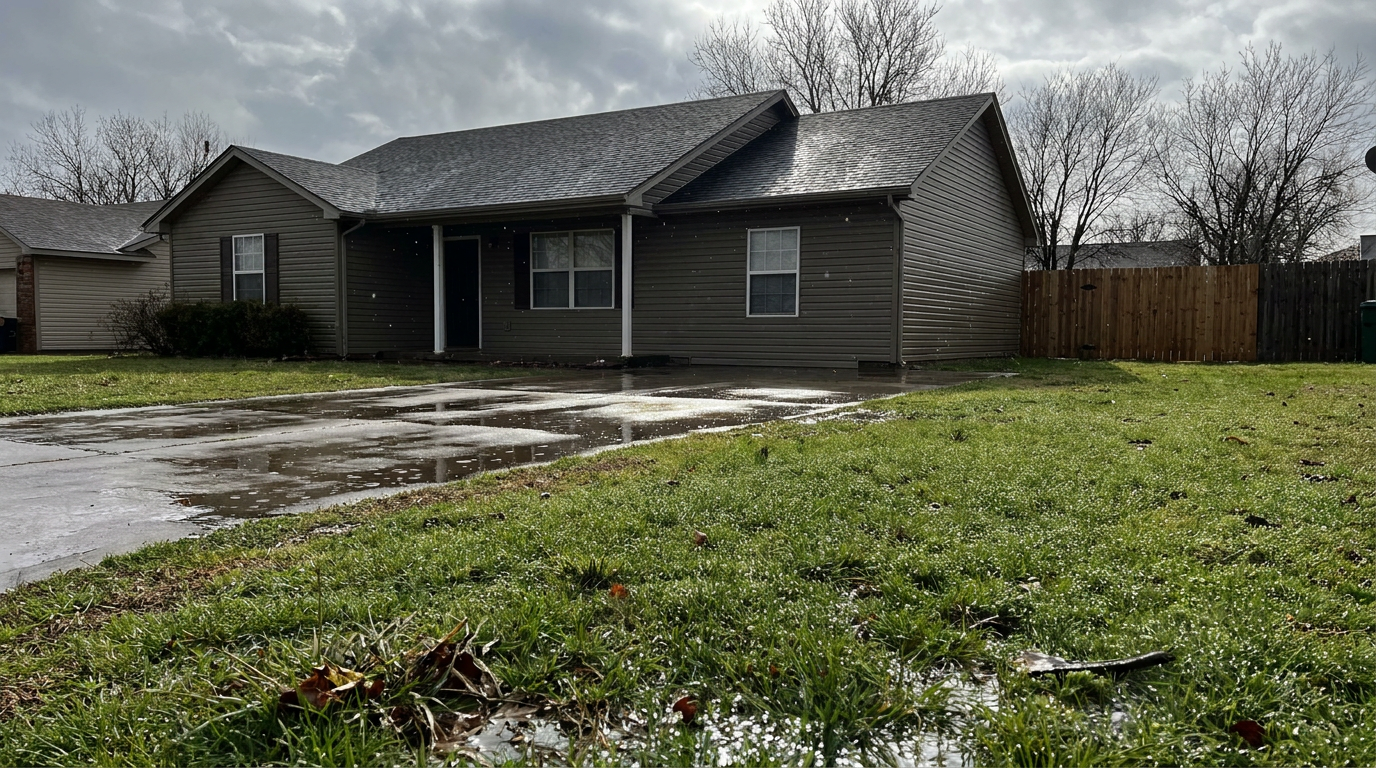
Oklahoma's storm season—roughly April through June—brings severe thunderstorms, tornadoes, hail, and flash flooding. For pest control, each of these events creates conditions that drive pests indoors: saturated ground pushes subterranean insects to the surface, flooding displaces rodents and snakes, humidity spikes fuel cockroach and mosquito populations, and structural damage opens new entry points.
Romex adjusts treatment for storm-affected properties, but the window between the storm and the next scheduled visit is where homeowners play the biggest role. Here's your before-and-after playbook.
Before the Storm: Preparation Checklist
You can't prevent an Oklahoma storm, but you can minimize the pest fallout:
- Clear yard debris. Fallen branches, leaf piles, and construction materials become instant pest harborage after a storm. Clear them beforehand so you're not adding to the problem.
- Secure trash cans. High winds scatter garbage across yards, creating food sources for rodents and roaches.
- Check your sump pump. If your home has a crawl space or basement, verify the sump pump works before heavy rain. Standing water in a crawl space is the single fastest way to attract pests.
- Seal accessible entry points. Any gap you can close before the storm is one fewer path for displaced pests to use during it.
- Move firewood away from the house. Wet firewood against the foundation is a termite and carpenter ant magnet.
After the Storm: Recovery Steps
Within 24 Hours
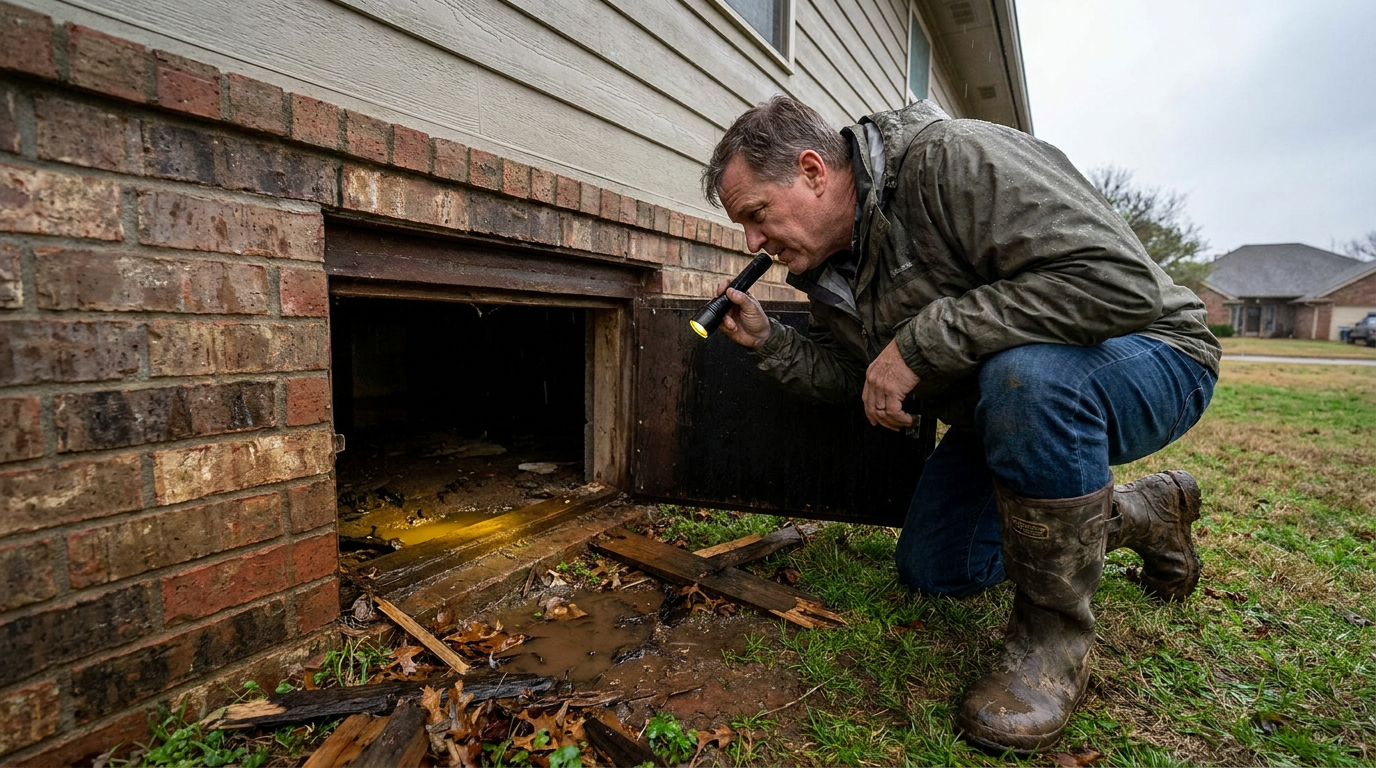
- Inspect the foundation perimeter. Look for new cracks, shifted mortar, or gaps where the slab meets the brick. Storm-related ground shifting in Oklahoma's clay soils can open entry points overnight.
- Check crawl spaces and attics. Look for standing water, wet insulation, and signs of rodent or snake entry. Use a flashlight—don't reach into dark spaces.
- Drain standing water. Every puddle, every container, every depression in the yard. Mosquitoes can begin breeding within 48 hours of standing water.
Within 72 Hours
- Clear storm debris from the foundation. Wet leaves, branches, and mud pushed against your home create moisture bridges that pests follow indoors.
- Run dehumidifiers. If any part of your home got wet, bring humidity down fast. Cockroaches, silverfish, and centipedes thrive in post-storm humidity.
- Call Romex if you see new activity. Post-storm pest surges happen fast. If you notice ants, roaches, or rodents that weren't there before, don't wait for your next scheduled visit—Romex includes free re-service between appointments for exactly this situation.
How Romex Adjusts After Storms
When storms hit your area, your Romex technician adjusts the next visit accordingly:
- Extended inspection of storm-affected areas (foundation, crawl space, garage)
- Re-application of perimeter treatment if heavy rain washed away previous product
- Targeted treatment for displacement pests (rodents, snakes, spiders that moved indoors)
- Updated exclusion notes for any new gaps or structural damage
If your property sustained significant storm damage, contact us right away. We'll prioritize a visit to re-establish your perimeter barrier and address any new entry points before pests settle in.
Storm Season Is Partnership Season
Oklahoma's weather is unpredictable, but the pest response to it isn't. Saturated ground, displaced colonies, and humidity spikes follow every major storm. Your preparation before and your response after determine how quickly your home recovers—and Romex is ready to back you up with adjusted treatment whenever conditions change.
Serving Oklahoma City, Tulsa, Norman, Edmond, Broken Arrow, and communities across the state. Schedule your assessment before storm season hits.