
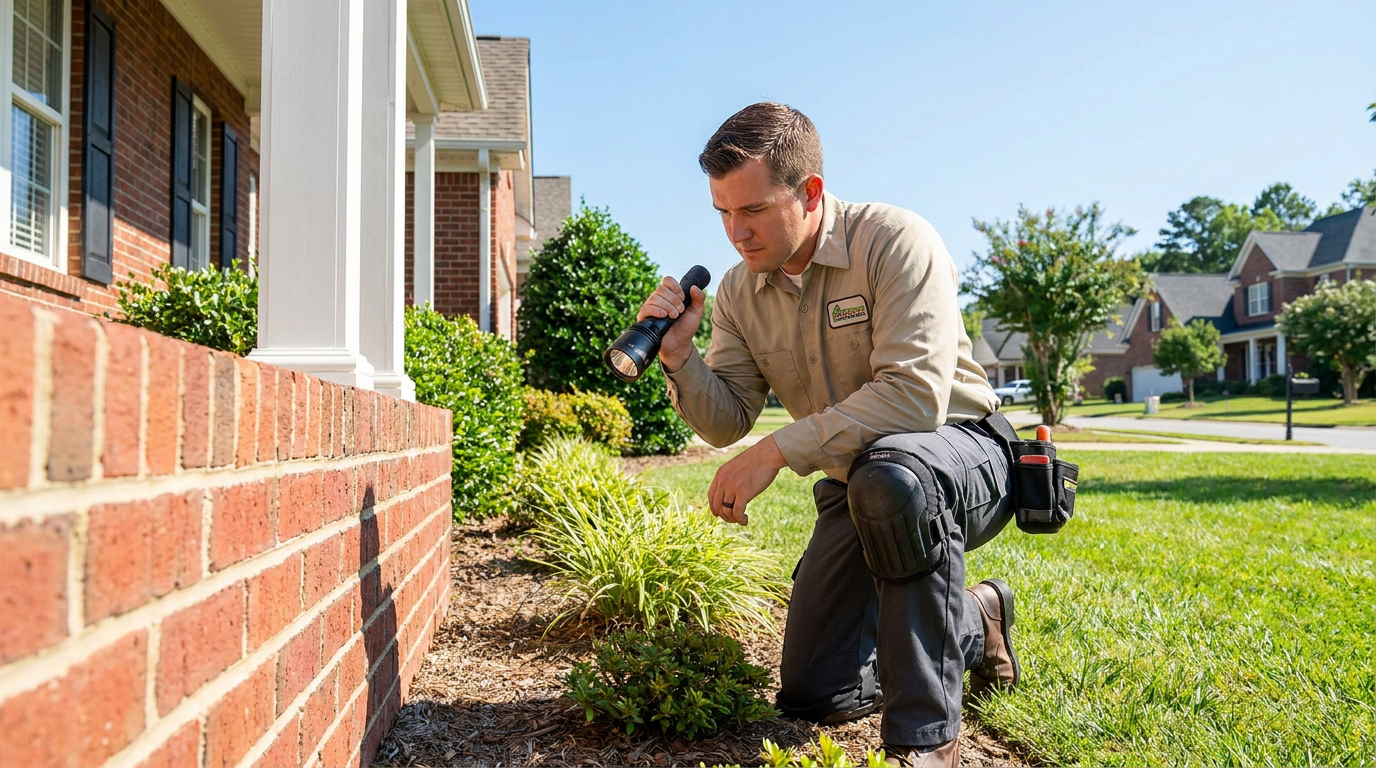
"Prevention-first" sounds like a marketing phrase until you see what it actually looks like on a service ticket. We've been refining this approach since 2016 across thousands of properties in Texas, Oklahoma, Louisiana, and Mississippi—and the data is clear: homes where both the technician and the homeowner are actively engaged see dramatically fewer callbacks. For Romex, it means a specific sequence of actions—inspection, exclusion, habitat modification, and then targeted product application—where each step depends on the one before it, and several of them depend on you.
Here's how each layer works for Dallas–Fort Worth homeowners, and where the partnership between your technician and your household makes the biggest difference.
Layer 1: Inspection — The Diagnostic Phase
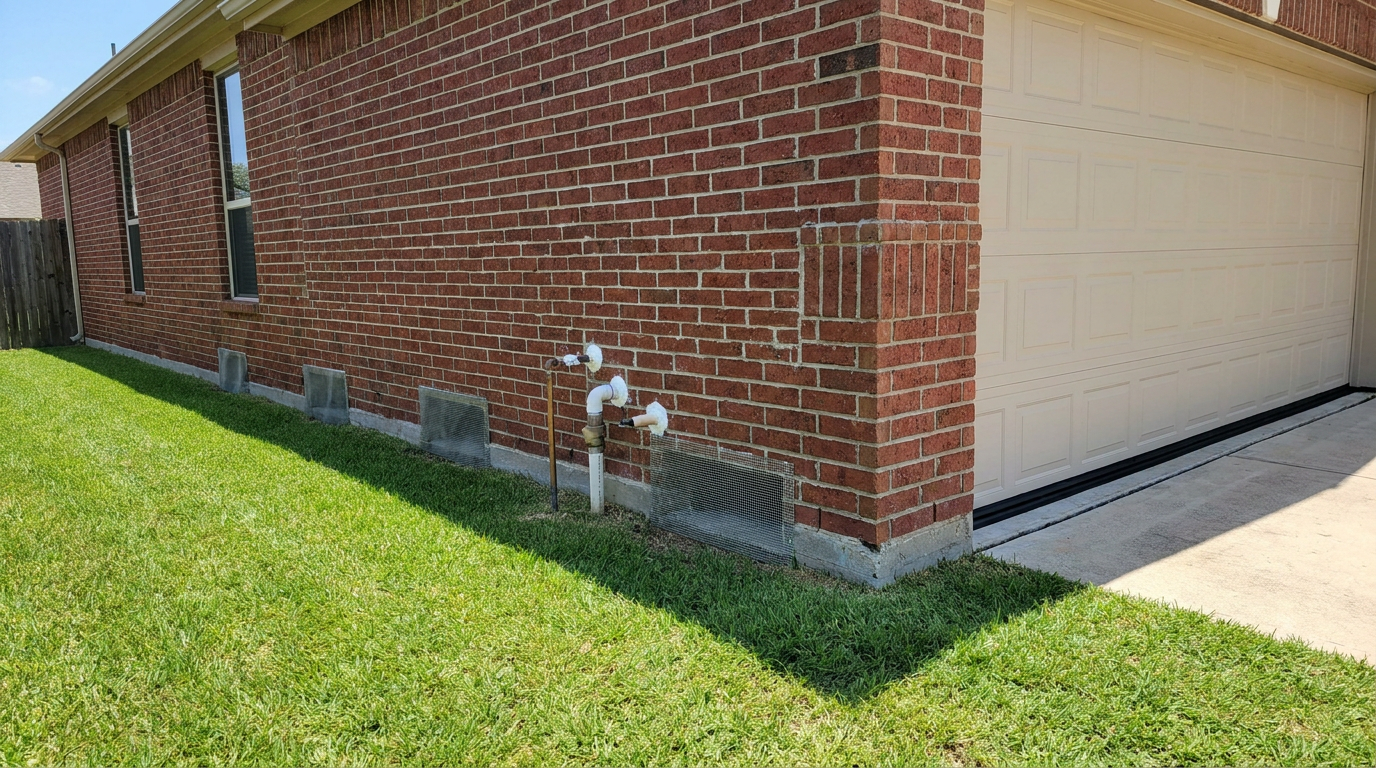
Every Romex visit starts with a walkthrough. Your technician checks the perimeter foundation, garage entry points, eaves, plumbing penetrations, and interior hot spots (kitchen, bathrooms, utility rooms). In Dallas, specific things jump out: clay-soil foundation cracks from seasonal expansion and contraction, weep holes in brick veneer, and gaps around AC line sets that are common in post-2000 construction.
This is where the partnership starts. Your technician needs to know what you've seen between visits—new ant trails, droppings behind the water heater, gnaw marks on a cabinet corner. That intelligence shapes the rest of the visit.
Layer 2: Exclusion — Closing the Doors
Product application can't do its job if pests have wide-open entry points. Romex technicians identify and seal structural gaps—weep hole screens, garage door sealant, pipe penetration seals—as part of the service plan. But as we covered in our DIY exclusion guide, homeowners play a role too: maintaining door sweeps, caulking window frames, and reporting new gaps as they appear.
Layer 3: Habitat Modification — Removing the Welcome Mat
Even with the best barrier and airtight exclusion, pests will push through if the conditions inside your home are inviting. This layer is almost entirely in the homeowner's hands:
- Eliminate standing water (flower pot saucers, clogged gutters, pet bowls)
- Store food in airtight containers
- Keep vegetation trimmed 12 inches from the foundation
- Move firewood at least 20 feet from the house
- Take trash out nightly
In the DFW climate, where warm temperatures and intermittent rain keep pests active from March through November, habitat modification matters more than almost any other factor.
Layer 4: Targeted Product Application
Notice that product application comes last, not first. Your Romex technician uses commercial-grade residual products along the perimeter, at entry points, and in targeted interior areas based on what the inspection revealed. The keyword is targeted—not broadcast spraying everywhere, but strategic placement where it will do the most good for the longest time.
On the recommended service schedule, this residual barrier stays effective between visits. But the Dallas climate works against longevity—triple-digit heat and afternoon thunderstorms accelerate product breakdown. Our DFW service data shows that properties on tighter schedules (every eight weeks versus every twelve) see 40 percent fewer breakthrough callbacks during summer months.
Why Each Layer Needs the Other
Pull any single layer out and the system weakens. Product application without exclusion means pests walk right past the barrier. Exclusion without habitat modification means pests find reasons to keep trying. Inspection without homeowner feedback means problems get missed until they're bigger.
That's what prevention-first means in practice: a layered approach where the technician and the homeowner each own their part. It's not a slogan—it's how the service actually works.
Ready to see how it applies to your property? Schedule a home assessment for your Dallas–Fort Worth home.