
A mouse can squeeze through a gap the width of a pencil. A rat needs about the diameter of a quarter. In practical terms, that means the average home has dozens of potential rodent entry points—most of them invisible to the homeowner until something gets inside.
Effective rodent control isn't just about traps and bait. It starts with exclusion: physically blocking the paths rodents use to enter your home. Some of that work requires professional materials and expertise. The rest depends on daily habits that you control.
What Romex Seals
During your rodent exclusion service, a Romex technician identifies and seals structural entry points using commercial-grade materials that rodents can't chew through:
AC Line Penetrations
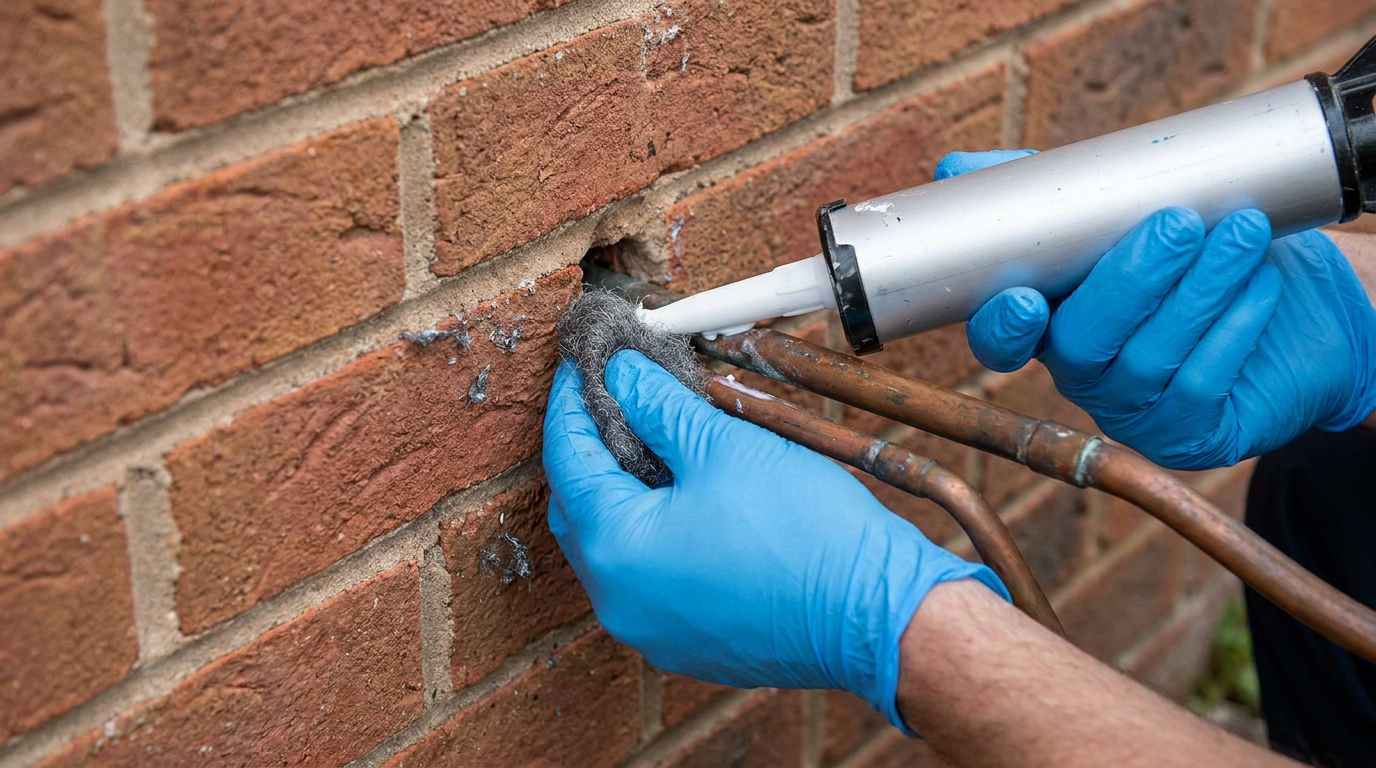
The copper refrigerant lines that connect your outdoor condenser to the indoor air handler pass through the exterior wall—and the gap around them is one of the most common rodent entry points in Texas, Oklahoma, and Louisiana homes. Romex seals these with a combination of steel wool (which rodents can't gnaw) and professional-grade sealant.
Plumbing and Electrical Penetrations
Every pipe, cable, and conduit that enters your home creates a potential gap. Romex inspects all exterior penetrations and seals them with appropriate materials—expanding foam for larger voids, steel mesh and caulk for smaller gaps.
Garage Door Seals
The garage door sealant service seals the bottom rubber, side tracks, and top rail of your garage door. The garage is the number-one rodent entry point in Southern homes—and a gap you can barely see is a wide-open door for mice.
Weep Holes
Weep hole screens installed in brick veneer block rodent entry while preserving the drainage function the builder intended. Unscreened weep holes are essentially open invitations into your wall cavities.
Foundation Gaps and Slab Cracks
Where the slab meets the brick veneer, seasonal soil movement (especially in North Texas clay soils) can open gaps large enough for rodents. Romex seals these with durable materials rated for ground contact.
What You Need to Maintain
Once the professional exclusion work is complete, your role is maintaining the conditions that keep rodents uninterested in your home:
Food and Storage
- Store all pet food in sealed containers. A bag of kibble on the garage floor is a rodent buffet. Use rigid plastic or metal containers with tight-fitting lids.
- Keep bird seed in sealed bins. If you use bird feeders, store seed in the house or garage in a sealed container—not in the original bag.
- Don't leave fruit on counters overnight. Rodents forage at night, and ripe fruit is a high-value target.
- Take kitchen trash out nightly. Especially in warmer months when odors intensify.
Garage Hygiene
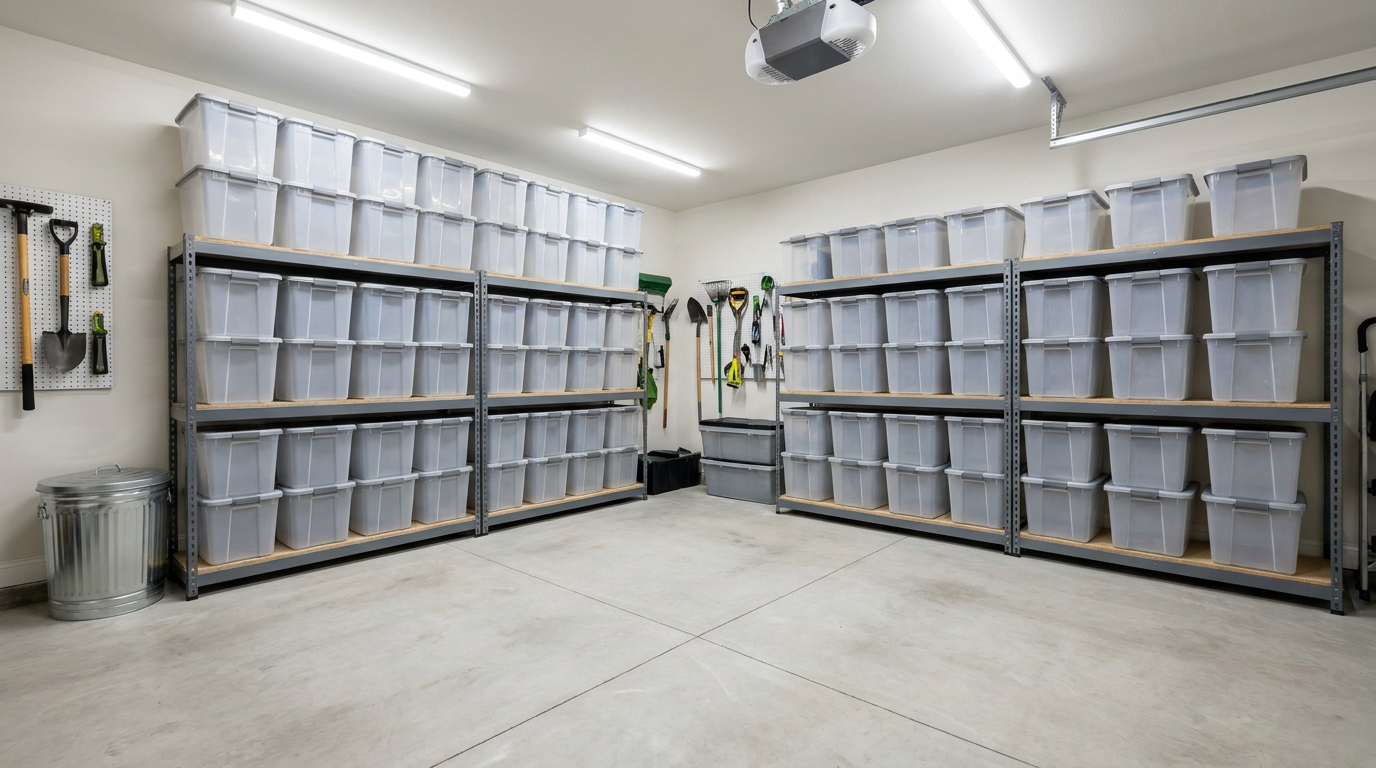
- Keep the garage floor clear of clutter. Rodents nest in undisturbed boxes, seasonal decorations, and stored fabric.
- Elevate stored items on shelving—not on the floor against walls.
- Close the garage door fully every night. Even a two-inch gap at the bottom defeats the seal.
Exterior Maintenance
- Keep tree branches trimmed at least 6 feet from the roofline. Roof rats use overhanging branches as highways to your attic.
- Remove ivy or climbing vines from exterior walls—they give rodents hidden pathways to upper-floor entry points.
- Report gnaw marks, droppings, or greasy rub marks to your technician immediately. These signs mean a rodent has found a path we need to investigate.
The Ongoing Partnership
Rodent exclusion isn't a one-time fix. Homes shift, seals wear, and new construction or landscaping changes can create entry points that didn't exist six months ago. Your Romex technician checks exclusion work during every recurring visit—verifying seals, inspecting for new gaps, and adjusting as your property changes.
Your part is maintaining the habits that make your home unattractive to rodents. Together, exclusion plus maintenance is far more effective than either approach alone.
Concerned about rodent activity? Schedule a home assessment and we'll inspect every potential entry point on your property.