
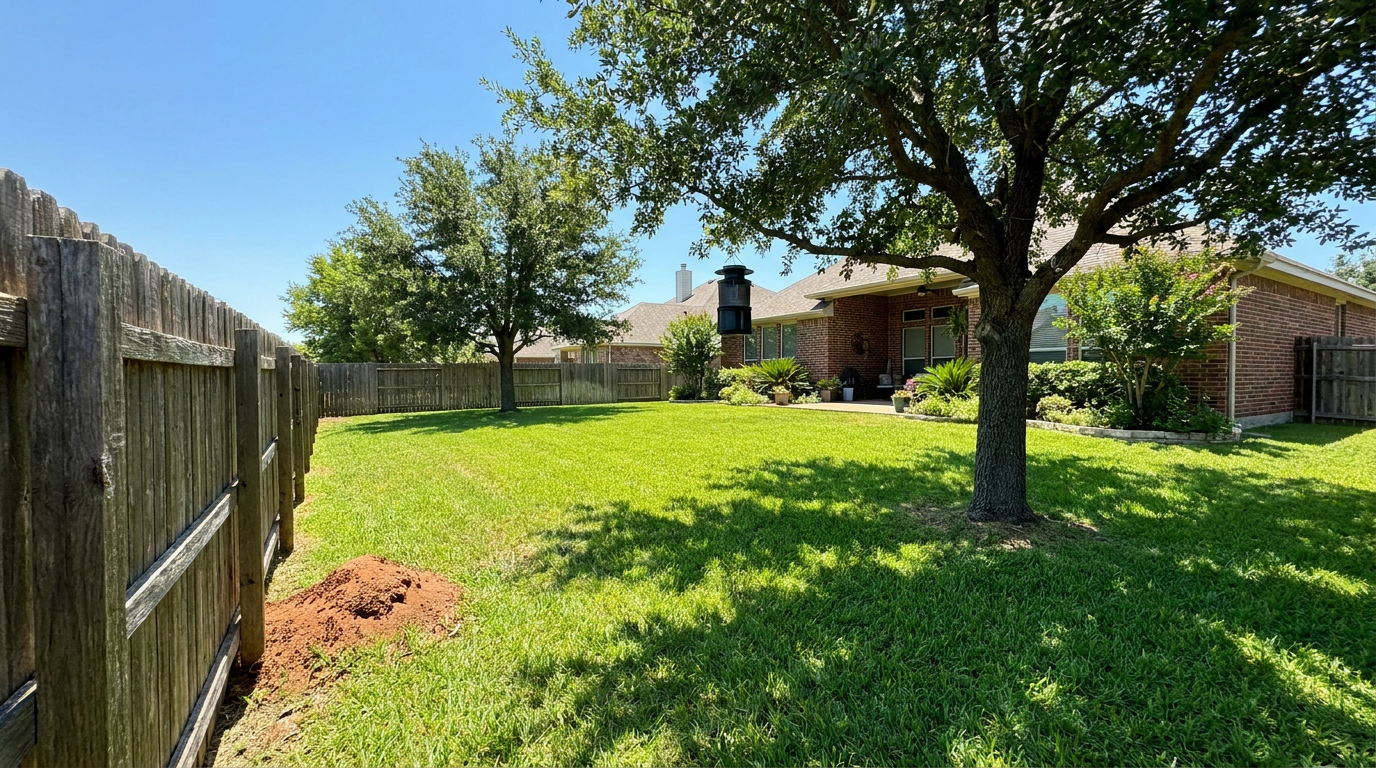
If you've lived through one Texas summer, you know the pattern. Our field teams treat thousands of Texas properties each summer, and the pattern is remarkably consistent: fire ant mounds pop up overnight after every rain, and stepping outside after dusk means feeding mosquitoes. From May through September, these two pests dominate the landscape across DFW, Austin, San Antonio, Houston, and every suburb in between.
The good news is that managing summer pest pressure is predictable—if both sides of the partnership show up. Here's the seasonal game plan: what Romex handles, what you handle, and how the two work together.
Fire Ants: The Romex Side
Romex treats fire ant colonies with broadcast granular bait and targeted mound treatments as part of your recurring service. Bait products work by exploiting the colony's food-sharing behavior—worker ants carry the bait back to the queen, collapsing the colony from the inside over 7 to 14 days.
During summer, your technician increases focus on fire ant activity during each visit, especially after rain events that trigger new mounding. Properties with heavy fire ant history may benefit from every-other-month service through the summer months rather than quarterly.
Your Part: Fire Ants
- Don't disturb mounds between visits—disturbed colonies split and relocate, creating more mounds
- Report new mounds to your technician, especially near high-traffic areas (play equipment, garden paths, pet areas)
- Keep grass mowed regularly—shorter turf makes mounds visible and easier to treat
Mosquitoes: The Romex Side
The Yard Guard mosquito program targets the shaded, moist areas where adult mosquitoes rest during the day—under decks, along fence lines, in dense shrubs, and around tree canopies. Romex applies residual products to these harborage zones, significantly reducing adult mosquito populations in your yard.
But here's the catch: if mosquitoes are breeding on your property, the adult treatment alone can't keep up. That's where your half of the partnership is critical.
Your Part: Mosquitoes
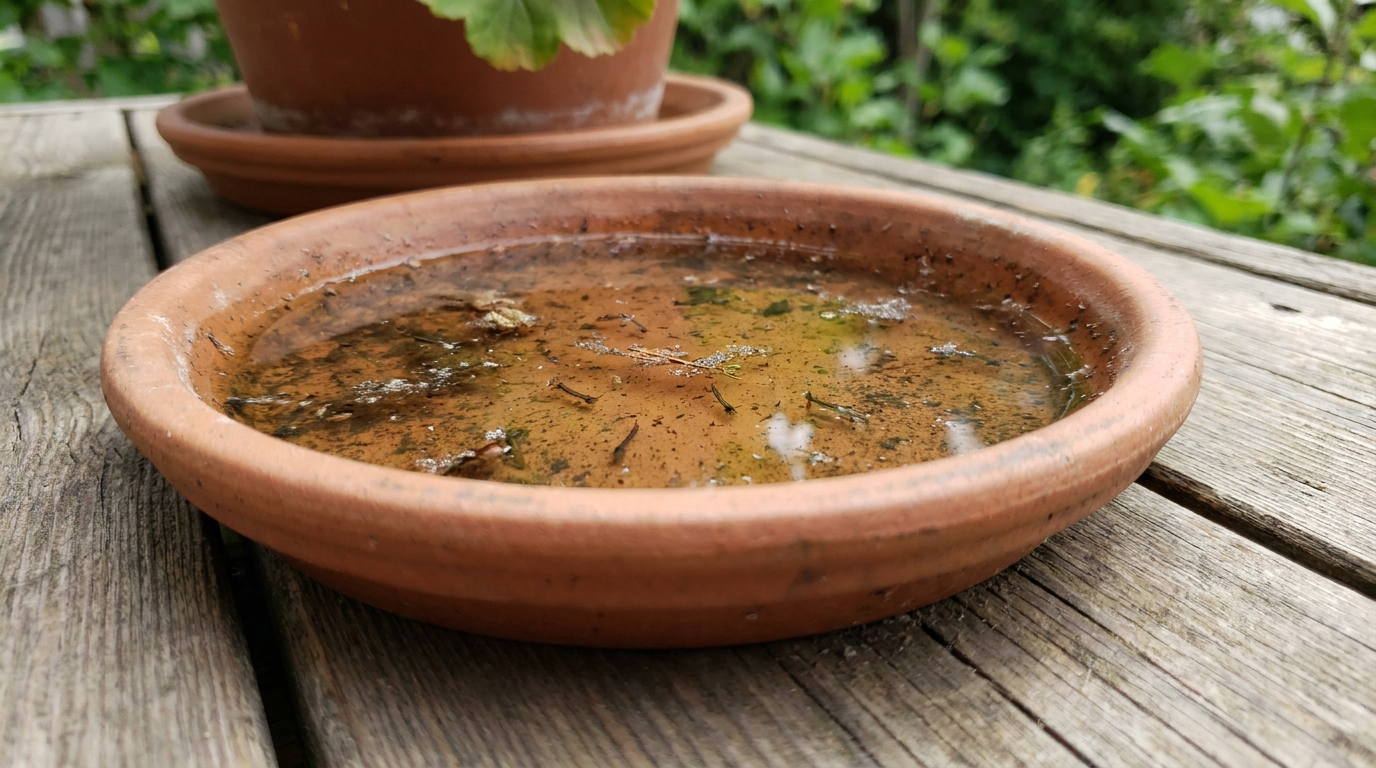
- Dump standing water weekly. Saucers, old tires, clogged gutters, kids' toys, tarps—anything that holds water for more than 5 days can produce mosquitoes.
- Change birdbath water every 2–3 days.
- Keep swimming pools chlorinated and circulated (stagnant pools breed mosquitoes fast).
- Clear leaf debris from gutters—clogged gutters are hidden breeding factories on every roof.
- Report areas of persistent standing water to your technician (drainage issues, neighbor's unmaintained pool, etc.).
The Summer Timeline
| Month | What's Happening | What to Watch For |
|---|---|---|
| May | Fire ant activity ramps up; first mosquito generation matures | New mounds after rain; mosquitoes at dusk |
| June | Peak fire ant mounding; mosquito populations accelerating | Mounds near foundations and walkways |
| July | Maximum mosquito density; fire ants in foraging mode | Standing water from irrigation and storms |
| August | Sustained heat may slow surface activity; pests move underground and to shade | Indoor ant trails seeking water |
| September | Fall rains trigger new mounding cycle; mosquitoes persist until first cool front | New mounds; mosquitoes breeding in rain pools |
When to Tighten the Cadence
If your property is near water features, wooded areas, or active construction, summer is the time to move from quarterly to every-other-month service. The combination of heat, moisture, and proximity to pest habitat means the 90-day barrier may not hold. Your Romex technician can adjust the schedule based on what they're seeing during summer visits.
Ready to get ahead of summer pests? Schedule your seasonal assessment and we'll build a plan that fits your property.