
Recurring pest control service works on a predictable schedule. Your technician visits on a regular rotation, applies treatment, inspects for changes, and moves on. But pests don't check your calendar. Between scheduled visits, conditions can change: a storm saturates the ground, a neighbor starts a renovation, or a seasonal shift brings new species into your yard. When that happens, waiting another month or two for your next appointment can turn a small problem into a serious one.
Romex includes free re-service between scheduled appointments when pest activity breaks through your barrier. Here are the five signs that it's time to pick up the phone.
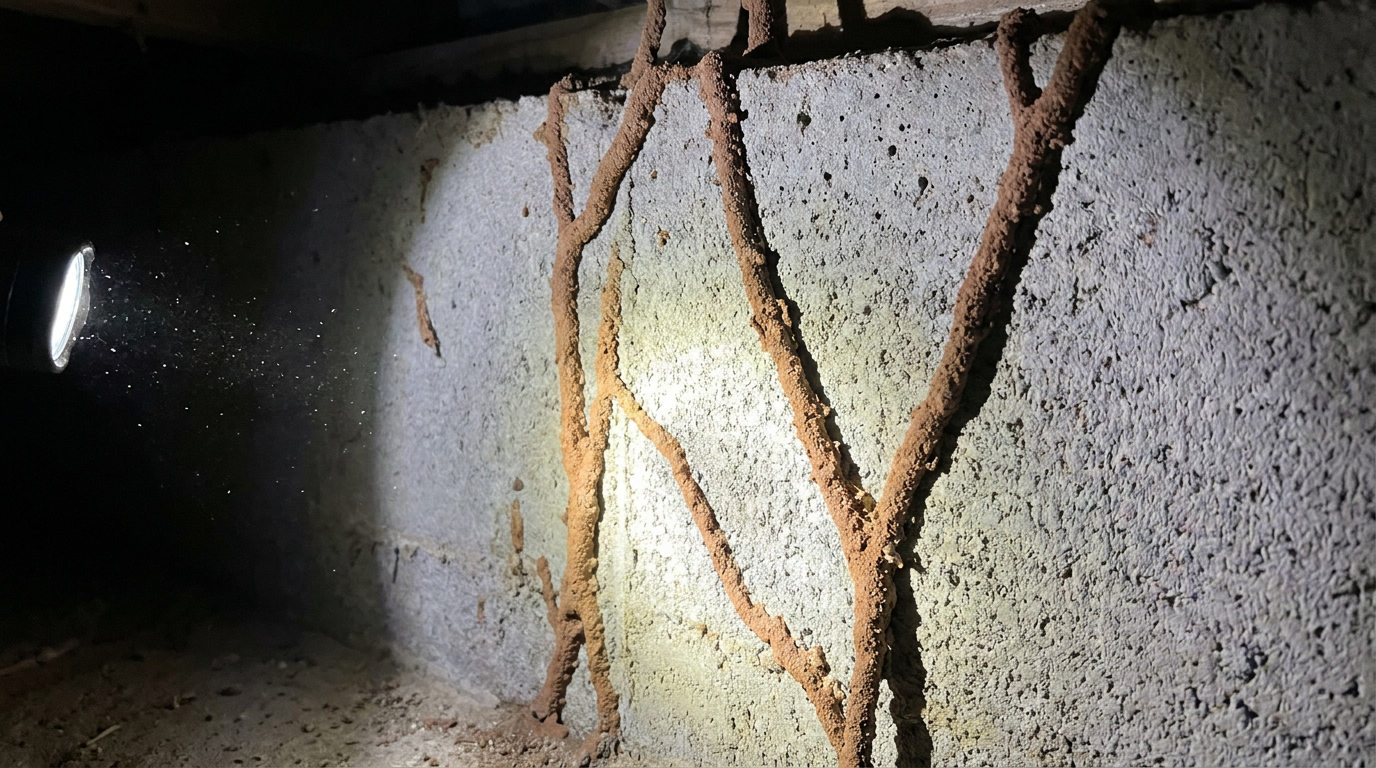
1. New Mud Tubes on Your Foundation
Mud tubes—those narrow, brownish tunnels running vertically up foundation walls or piers—are the unmistakable sign of active subterranean termite movement. If you see even one new tube that wasn't there during the last inspection, call immediately. Termites work fast; a mature colony can consume several pounds of wood per year. The sooner we inspect, the sooner we determine whether your Sentricon stations need attention or if additional treatment is warranted.
2. Droppings in New Locations
Small, dark droppings along baseboards, in cabinet corners, or behind appliances indicate rodent activity. Cockroach droppings—tiny dark specks that look like ground pepper—near water sources suggest a growing population. If droppings appear in areas that were clear during your last service visit, something has changed. Your technician needs to know about it before the population establishes.
3. Indoor Ant Trails That Don't Respond to Cleaning
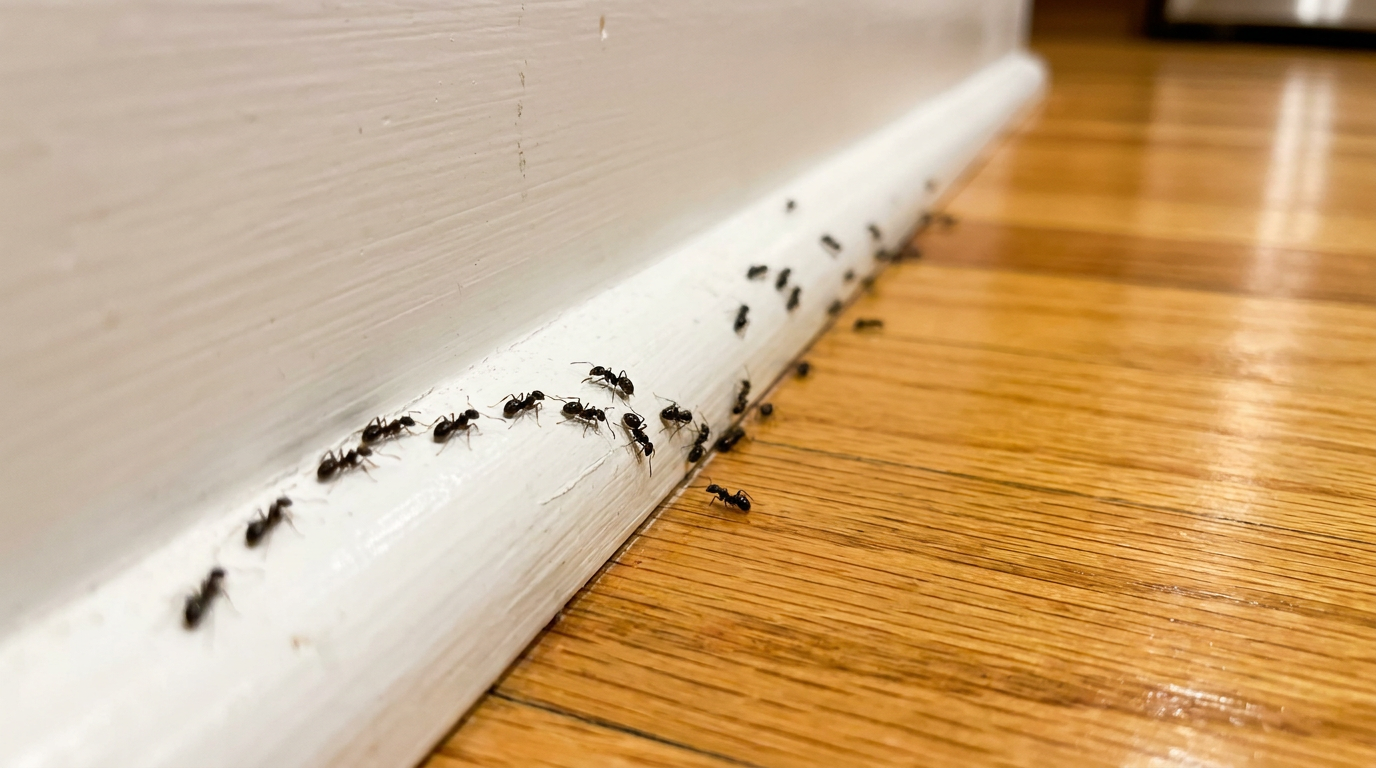
A single ant in the kitchen isn't necessarily cause for alarm. But a visible trail of ants marching in a line from an entry point to a food or water source—especially if wiping them away doesn't stop the trail from reforming within hours—means a colony has established a foraging route inside your home. This often happens when outdoor conditions (heat, drought, flooding) push colonies toward indoor resources.
Tell your technician exactly where the trail starts and ends. That information directs treatment to the entry point and the attractant, not just the visible ants.
4. Unusual Odors
A musty, oily smell in walls or cabinets can indicate a cockroach infestation. A urine-like odor in the attic or garage often signals rodents. A sweet, musty smell near walls could mean a hidden wasp or bee nest. If your nose detects something new and unpleasant—especially in enclosed spaces—it's worth a call.
5. Live Pests Indoors During Daylight
Most household pests are nocturnal. Seeing cockroaches, spiders, or rodents during the day typically means the population has grown large enough that competition for food, water, and hiding space forces some individuals into the open. Daytime sightings almost always indicate a larger hidden population and warrant an early visit.
How to Report What You See
When you call or submit a request online, include these details to help your technician prepare:
- What: What pest or sign did you see? Describe it as specifically as you can.
- Where: Which room, wall, floor, or exterior area?
- When: Time of day and how often you've noticed it.
- How many: One individual, a trail, a swarm, a cluster?
- Changes: Any recent changes at your home—plumbing work, landscaping, renovation, new pet, storm damage?
This information lets your technician arrive ready to target the exact problem rather than starting from scratch.
Don't Wait — The Callback Is Included
The free re-service between appointments exists because we know pest pressure isn't perfectly predictable. Using it isn't a sign that something went wrong—it's a sign that you're paying attention. And the sooner we respond, the less work it takes to get things back on track.