
North American Millipede
Narceus americanus
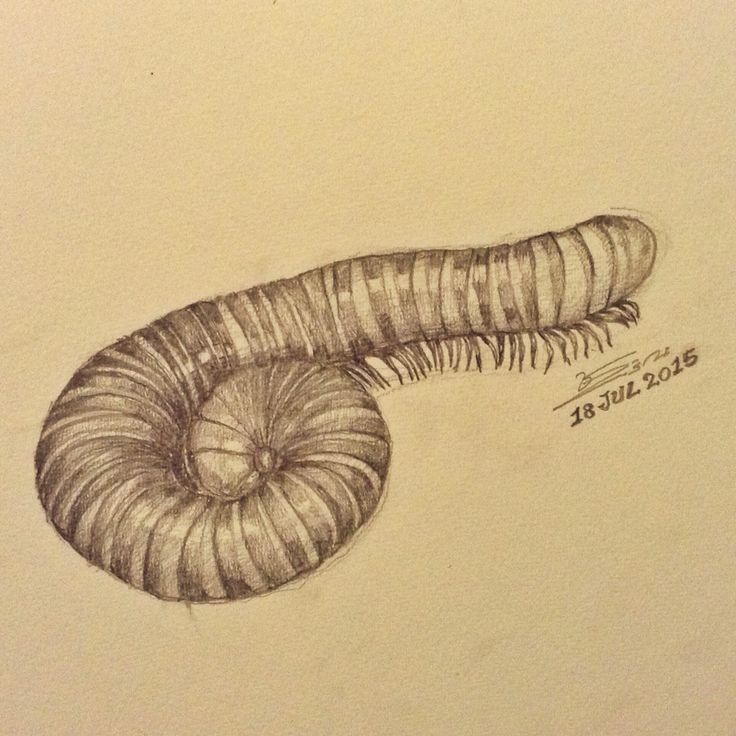
Scientific illustration for identification purposes
Overview
Millipedes are slow-moving detritivores with many legs (not actually 1,000). They occasionally invade homes in large numbers after heavy rains or during droughts. While harmless, mass migrations can be alarming.
How to Identify
- Cylindrical, worm-like body
- Dark brown to black with red/orange
- Two pairs of legs per body segment
- Curl into a spiral when disturbed
- Slow-moving
Behavior
Millipedes are slow-moving and curl into a spiral when threatened. They may release a defensive fluid with a slight odor. Mass migrations occasionally occur after heavy rain.
Habitat
Found in soil, leaf litter, mulch, and under debris where they feed on decaying organic matter. Enter homes during heavy rains or droughts.
Diet
Feed on decaying plant material, leaf litter, and fungi. They are beneficial decomposers in outdoor environments.
Reproduction
Eggs laid in soil. Development takes 2-5 years. Multiple molts occur as they grow and add body segments.
Distribution in the Southern U.S.
Common throughout Texas, Oklahoma, Louisiana, and Mississippi.
Regional Notes
Mass millipede migrations are periodic events in the South, typically following heavy rains. They seek shelter and can enter homes in large numbers.
Signs of Infestation
- Slow-moving, many-legged creatures indoors
- Millipedes curled in spirals
- Millipedes migrating across lawns or driveways
- Millipedes congregating near foundations
- Dead millipedes in entry areas
Prevention Tips
- Remove mulch and leaf litter from foundation
- Ensure proper drainage away from house
- Seal gaps around doors and foundation
- Use door sweeps
- Reduce outdoor lighting near entry points
- Remove debris piles from property
When to Contact a Professional
Contact a professional during mass migration events or if large numbers persist. Barrier treatments can reduce entry during migration events.
Romex Pest Control provides professional north american millipede control services across Texas, Oklahoma, Louisiana, and Mississippi.
Learn about our north american millipede control servicesFrequently Asked Questions
Do millipedes bite?
No, millipedes cannot bite. They have weak chewing mouthparts designed for eating decaying plant material. Some species release a defensive fluid that may irritate skin.
Why are there suddenly so many millipedes?
Mass millipede migrations occur when weather conditions (heavy rain or drought) make their outdoor habitat unsuitable. They seek drier or moister conditions and may enter homes in large numbers.
Latest Research & News
Recent developments about north american millipede
Get the latest news and research about north american millipede
Click "Load News" to fetch recent articles from scientific sources