
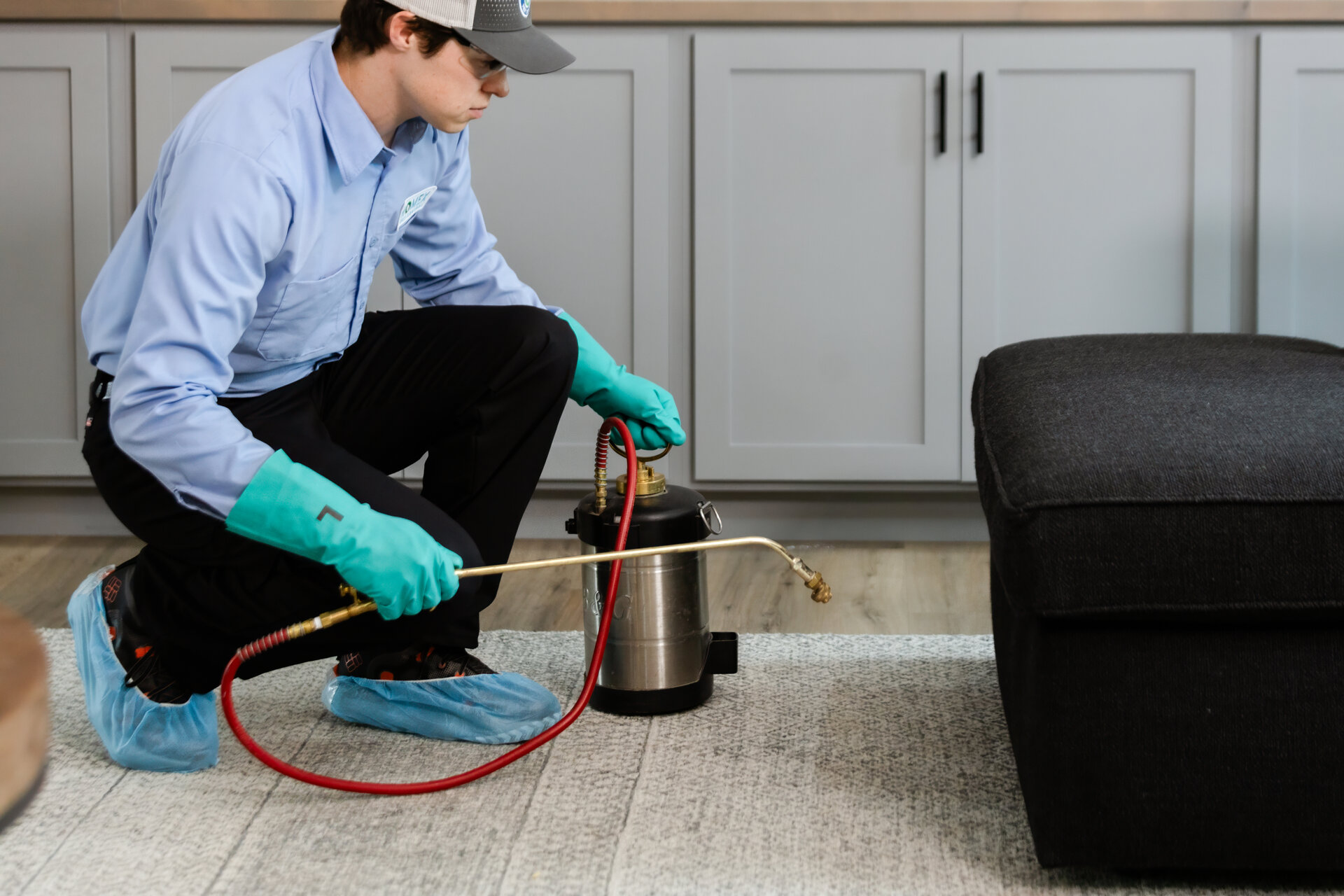
Professional Snake Control
Keep venomous and nuisance snakes away from your home and yard with professional snake control services.
What type of property needs service?
Note: We do not service trailer homes or vehicles.

National Strength. Locally Managed & Operated.
Romex is now part of the Rollins, Inc. family—a Fortune 500 leader behind Orkin, HomeTeam, and other trusted names in pest control. Same local technicians, now backed by national-scale training, research, and resources.
What Does Professional Snake Control Include?
Snakes follow their food. If your yard has rodents, insects, or heavy ground cover, snakes are more likely to move in. Our snake control service starts with a full property inspection to find entry points, harborage areas, and prey sources. We then apply targeted treatments and exclusion methods to push snakes out and keep them out.
We customize every plan to your property. A rural homestead with field mice gets a different approach than a suburban yard with landscaping beds. Our recommended cadence is every other month to quarterly—tight enough that the rodent-suppression products and perimeter barriers stay effective between visits, with monthly service available for higher-risk properties during spring and summer.
What's Included
Comprehensive property inspection for snake activity and entry points
Identification of prey sources attracting snakes to your yard
Targeted granular and liquid deterrent applications
Exclusion recommendations for gaps under doors, foundations, and fencing
Habitat modification guidance to reduce harborage areas
Follow-up visits with customized frequency based on risk level
What Types of Snake Are Common in Our Area?
Copperhead
Western Diamondback Rattlesnake
Cottonmouth (Water Moccasin)
Texas Rat Snake
Coral Snake
Coachwhip
How Do You Identify Snake in Your Home?
Knowing which snakes are common in your area helps you stay safe. Venomous species require caution, but even non-venomous snakes can startle and stress homeowners.
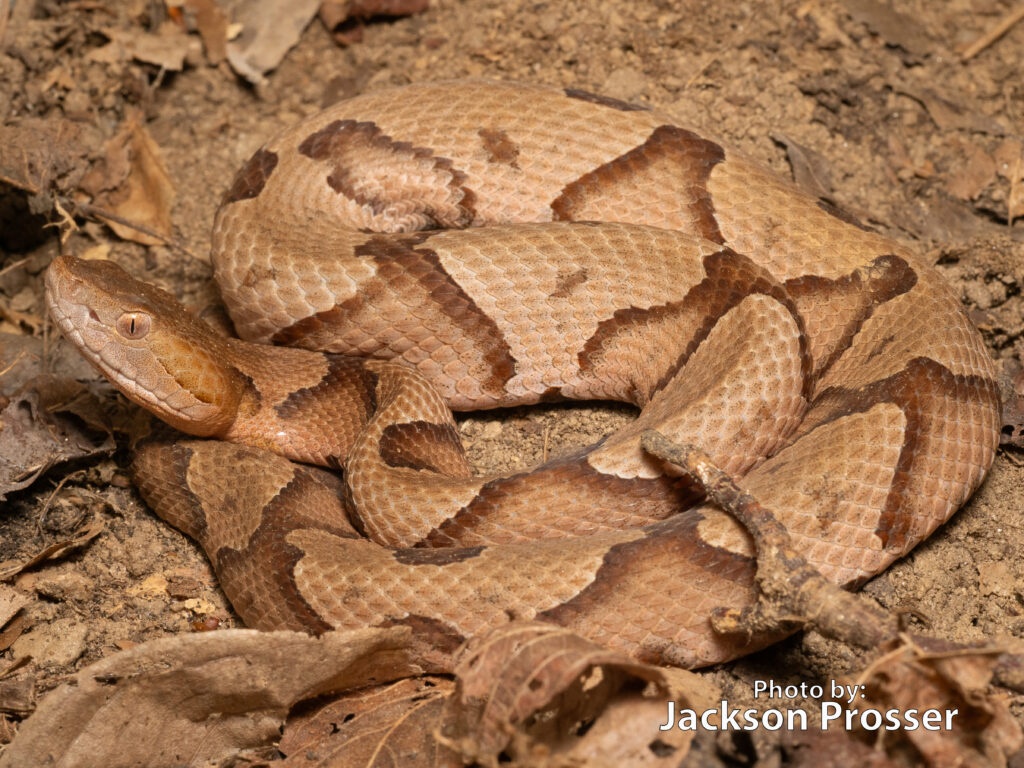
Copperhead
Agkistrodon contortrix
Identification: Tan to copper body with darker hourglass-shaped crossbands. Typically 2–3 feet long. Triangular head.
Habitat: Wooded areas, rock piles, leaf litter, gardens, and near water sources. Commonly found under debris.
Concern: Most common venomous snake bite in the southern U.S. Painful but rarely fatal. Children and pets are at higher risk.
Source: Texas A&M AgriLife Extension
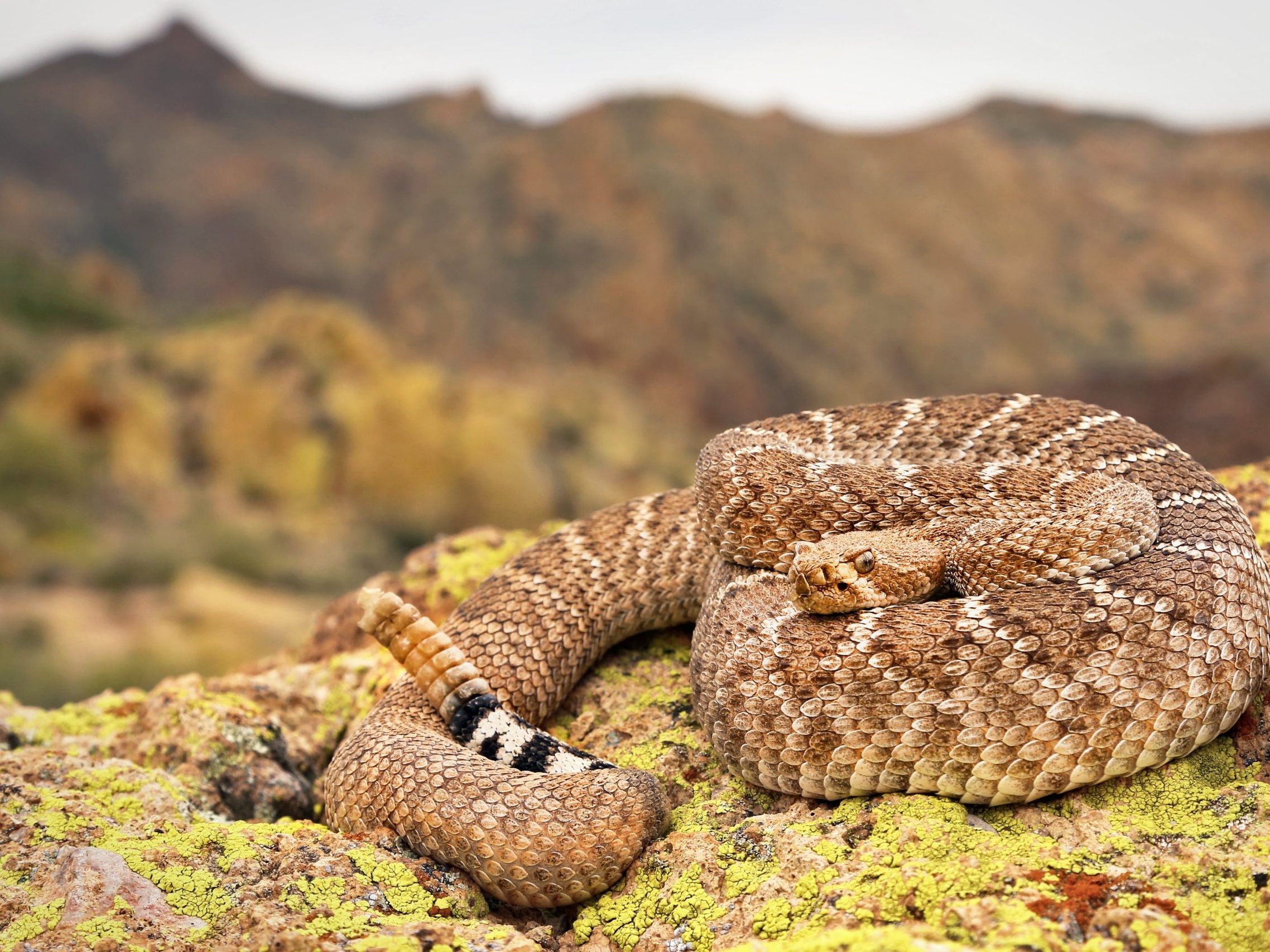
Western Diamondback Rattlesnake
Crotalus atrox
Identification: Gray-brown body with diamond-shaped dorsal blotches. Black and white banded tail with rattle. 3.5–5 feet long.
Habitat: Rocky terrain, grasslands, brush, and desert scrub. Often found near foundations and outbuildings.
Concern: Responsible for the most snakebite fatalities in North America. Aggressive when cornered. Seek immediate medical attention.
Source: Texas Parks & Wildlife Department
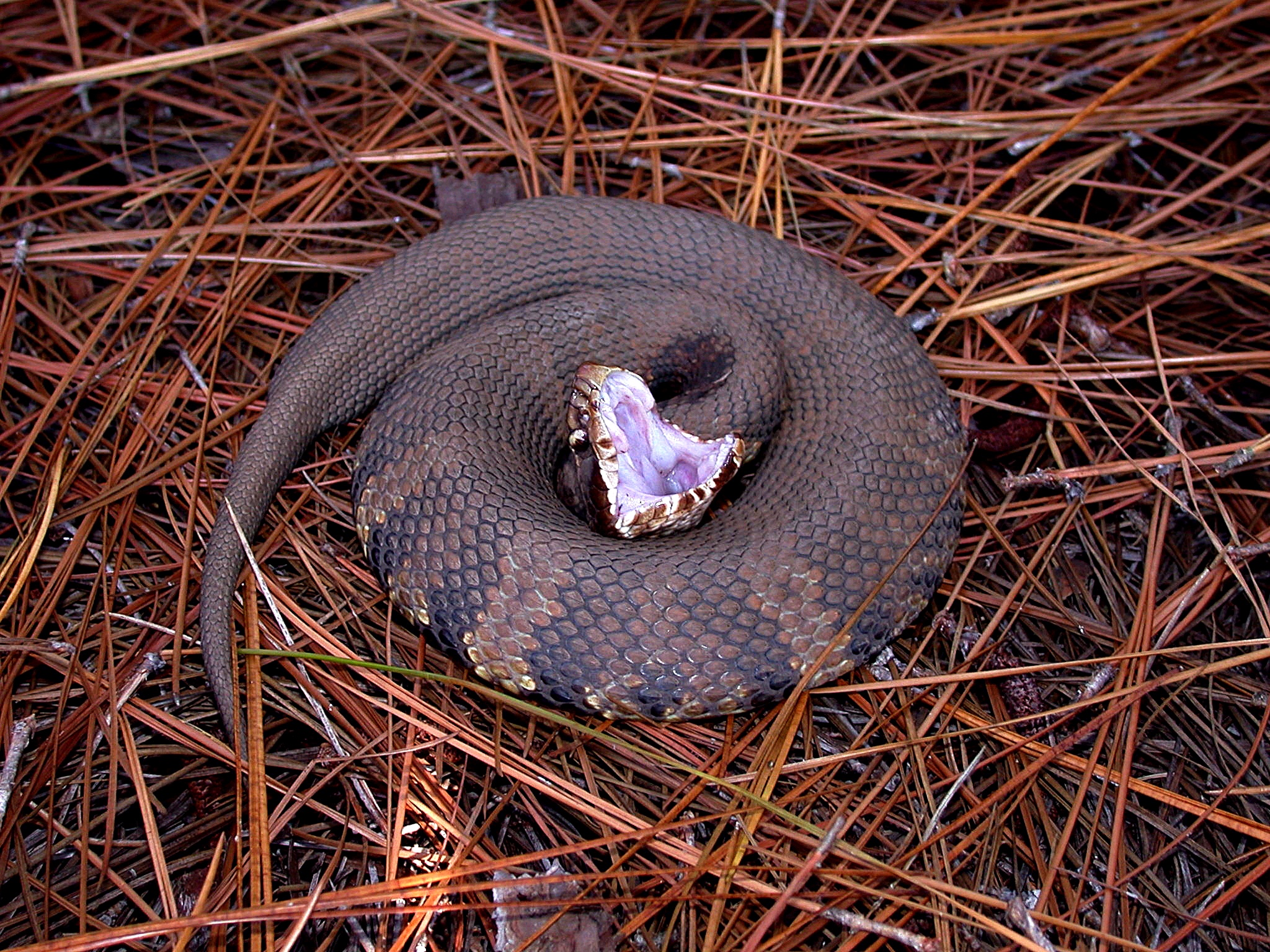
Cottonmouth (Water Moccasin)
Agkistrodon piscivorus
Identification: Dark olive to black, heavy-bodied, white mouth lining visible when threatened. 2–4 feet long.
Habitat: Ponds, creeks, marshes, drainage ditches, and low-lying wet areas. Semi-aquatic.
Concern: Stands its ground rather than fleeing. Bite causes significant tissue damage. Common near water features and pools.
Source: Oklahoma Department of Wildlife Conservation
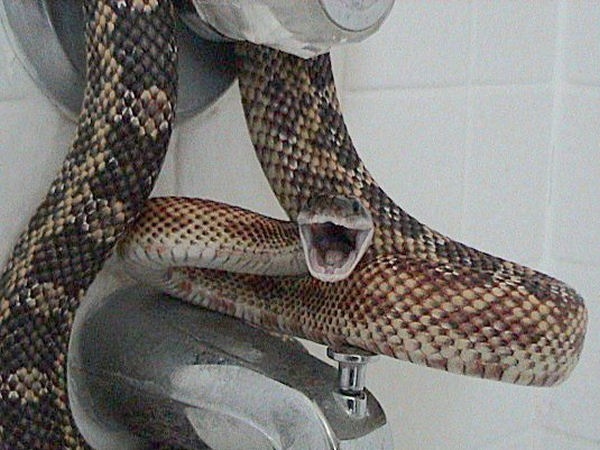
Texas Rat Snake
Pantherophis obsoletus lindheimeri
Identification: Yellow to tan with dark brown blotches. Can reach 4–6 feet. Often mistaken for rattlesnakes.
Habitat: Barns, attics, garages, tree hollows, and suburban yards. Excellent climbers.
Concern: Non-venomous but can bite defensively. Often enters homes chasing rodents. Their presence signals a rodent problem.
Source: Texas A&M AgriLife Extension
You shouldn't have to share your home with pests
Your home is supposed to be your sanctuary—not a place where you feel invaded and uncomfortable.
Finding droppings in your kitchen every morning
Hearing scratching sounds in the walls at night
Worrying about your family's health and safety
Feeling embarrassed to have guests over
Constantly cleaning up after pest damage
Sound Familiar? You've Probably Already Tried...
The Romex Method: Identify, Eliminate, Protect
We believe pest control isn't about reacting to problems—it's about preventing them before they start. That's why we focus on creating an invisible barrier around your home that keeps pests out year-round.
Imagine your home the way it should be
A home where the only residents are the ones you invited. That's what our customers experience, and it's what you deserve too.
How Can You Prevent Snakes?
Keep grass cut short—snakes avoid open, low-cut areas
Remove brush piles, leaf litter, and stacked firewood near the house
Seal gaps under doors, around pipes, and in foundation cracks
Install hardware cloth over weep holes and vents
Control rodent populations that attract snakes
Trim low-hanging tree branches away from the roofline
Remove standing water sources that attract prey
Store birdseed and pet food in sealed containers
Why Do Homeowners Trust Romex?
Licensed & Insured
Fully certified professionals
Same-Day Service
Fast response when you need it
Satisfaction Guarantee
Free re-treatment if pests return
Eco-Friendly Options
Ask about child & pet friendly
What Happens If You Ignore a Snake Problem?
Snakes on your property aren't just unsettling—they create real safety concerns and can affect your daily life.
Health Risks
- •Venomous bites require emergency medical treatment costing thousands of dollars
- •Children and pets face higher risk of serious envenomation
- •Even non-venomous bites can cause infection and allergic reactions
- •Copperhead bites alone account for over 2,900 emergency visits annually in the U.S.
Economic Costs
- •Average venomous snakebite hospital bill exceeds $50,000 before insurance
- •Property exclusion and habitat modification expenses
- •Ongoing prevention treatments during active season
- •Potential impact on property value and marketability
Emotional Toll
- •Constant anxiety using your yard, garden, or patio
- •Fear of letting children and pets play outside
- •Stress checking garages, sheds, and crawl spaces
- •Reluctance to do yard work or outdoor maintenance
Property Damage
- •Snakes enter through surprisingly small gaps—as little as ¼ inch
- •Their presence often signals an underlying rodent problem
- •Nesting in attics, crawl spaces, and wall voids
- •Can damage insulation and wiring when nesting indoors
What Do Homeowners Ask About Snake Control?
Get Professional Snake Control Today
Where Is Snake Control Available Near You?
We provide professional snakes control across Texas, Oklahoma, Louisiana, and Mississippi.
Don't see your city? We likely serve your area. View all 370+ service areas →