
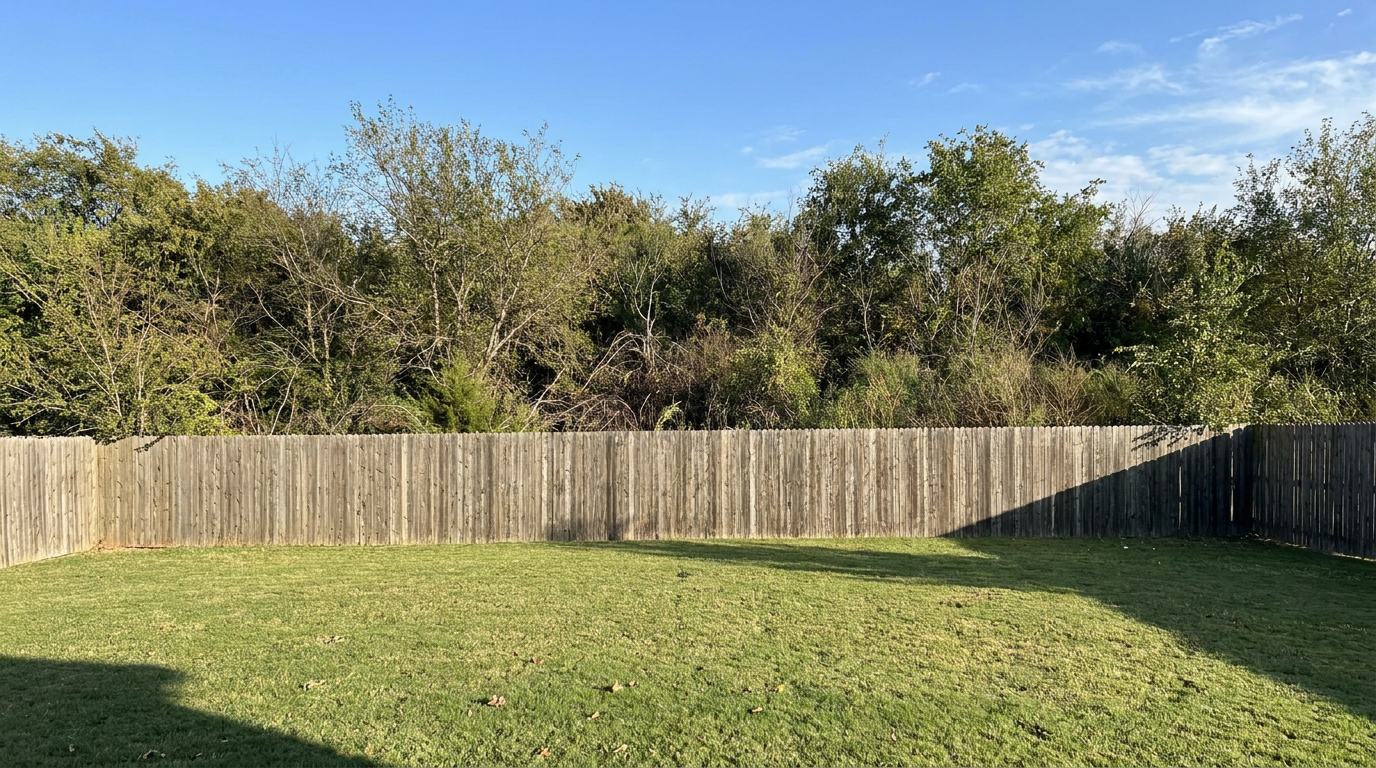
You chose the lot for the mature trees, the creek view, and the privacy. We get it—our technicians serve hundreds of creek-adjacent properties across McKinney, Allen, Frisco, and Prosper, and the appeal is obvious. But that wooded buffer between your backyard and the water comes with a catch: it's a year-round pest factory. Properties near creeks, ponds, wooded areas, and active construction in North Texas face two to three times the pest pressure of a standard suburban lot—and the service plan needs to reflect that.
Here's what makes creek-adjacent and wooded properties different, and how Romex adjusts the approach.
Why Proximity to Water Changes Everything
Creeks, stock ponds, and drainage easements create three conditions that amplify pest pressure:
- Constant moisture. The riparian zone (the vegetated strip along waterways) stays damp year-round, even through Texas summers. That moisture sustains mosquitoes, cockroaches, centipedes, crickets, and ground beetles in populations far denser than a dry suburban lot supports.
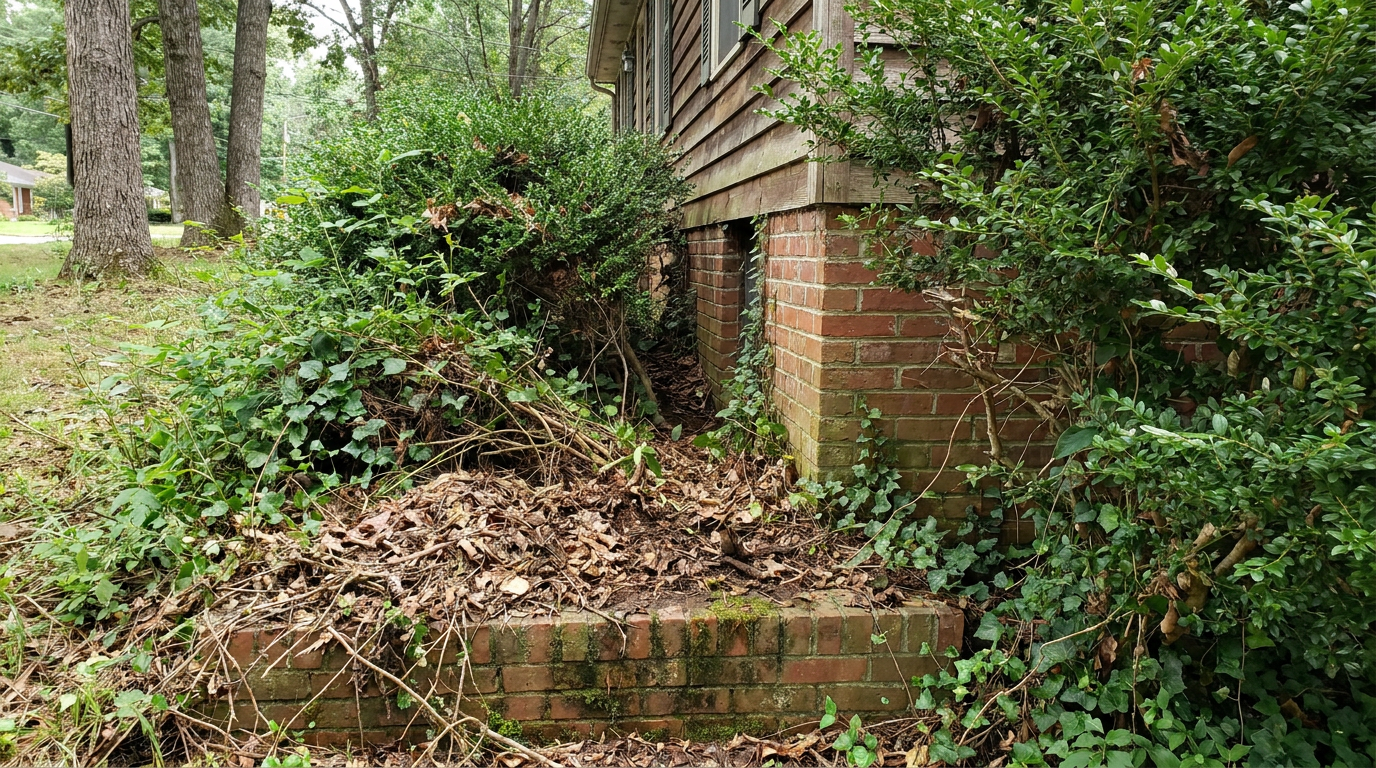
- Harborage habitat. Fallen logs, leaf litter, and dense understory vegetation give pests shelter within yards of your foundation. Spiders, scorpions, snakes, and rodents thrive in this environment.
- Wildlife corridors. Creeks are highways for raccoons, opossums, armadillos, and feral cats—all of which carry fleas, ticks, and secondary pest populations onto your property.
How the Service Plan Adapts
For creek-adjacent properties in Dallas, McKinney, Frisco, Allen, Plano, and surrounding communities, Romex typically recommends:
- Every-other-month cadence minimum. Quarterly service (90 days) rarely holds on high-pressure lots. The 60-day cycle keeps the residual barrier strong enough to handle the constant pest migration from the creek zone.
- Expanded perimeter treatment. Rather than just the foundation line, your technician treats a wider band—including fence lines, retaining walls, and the transition zone between maintained lawn and wild vegetation.
- Targeted Yard Guard mosquito treatment focused on the shaded, moist areas near the creek where adult mosquitoes rest during the day.
- Snake Away barrier along the property line where wild vegetation meets your yard—critical for North Texas properties near water where copperheads and rat snakes are common.
What Homeowners Can Control
Your technician handles the chemical and exclusion work. Your role on a creek property focuses on managing the transition zone:
- Keep grass short near the creek edge. Tall grass bridges the gap between wild habitat and treated areas.
- Remove leaf litter and brush piles. Don't let organic debris accumulate against fences or retaining walls.
- Address drainage issues. If storm water pools in your yard for more than 24 hours, it's a mosquito breeding site. French drains, grading corrections, or gutter extensions solve most residential drainage problems.
- Don't feed wildlife. Bird feeders, unsecured pet food, and fallen fruit attract raccoons and rodents, which bring fleas and ticks.
- Report snake sightings immediately. Snakes follow rodent populations. A snake sighting often means there's a rodent problem nearby that needs attention.
Construction Zones: Temporary but Intense
New development near your property displaces entire pest populations. When bulldozers clear land, fire ants, rodents, snakes, and ground-nesting insects scatter to the nearest established habitat—your yard. If there's active construction within a quarter mile of your home, expect elevated pest pressure for 6 to 12 months and plan your cadence accordingly.
The Right Plan for Your Lot
Not every home in DFW needs the same service frequency. Creek properties, wooded lots, and construction-adjacent homes need a plan calibrated to their actual pest pressure—not a one-size-fits-all schedule.
Schedule a property assessment and your Romex technician will walk the lot with you, identify the pressure points, and build a cadence that keeps the barrier strong.