
Why Chigger Bites Itch So Intensely
Before diving into treatments, understanding why chigger bites itch helps you choose the most effective relief. Chigger larvae inject proteolytic enzymes into your skin that dissolve cells, creating a hardened feeding tube called a stylostome. Your immune system treats this as a foreign invader, triggering a strong histamine response.
This is why the itch intensifies over the first 24 to 48 hours—even though the chigger has likely already dropped off. Your body is reacting to the remaining stylostome and dissolved tissue, not an active mite. This also explains why "suffocating" treatments like nail polish do not work: by the time you notice the bite, the chigger is already gone.
Immediate First Aid: The First 30 Minutes
What you do in the first 30 minutes after discovering bites significantly impacts how severe the reaction becomes:
- Shower immediately with hot (not scalding) water and soap. Scrub the affected areas thoroughly to remove any remaining larvae that have not yet attached. This is most effective within 1–2 hours of exposure.
- Wash all clothing you were wearing in hot water (130°F+) and dry on high heat. Chigger larvae can survive on fabric for hours.
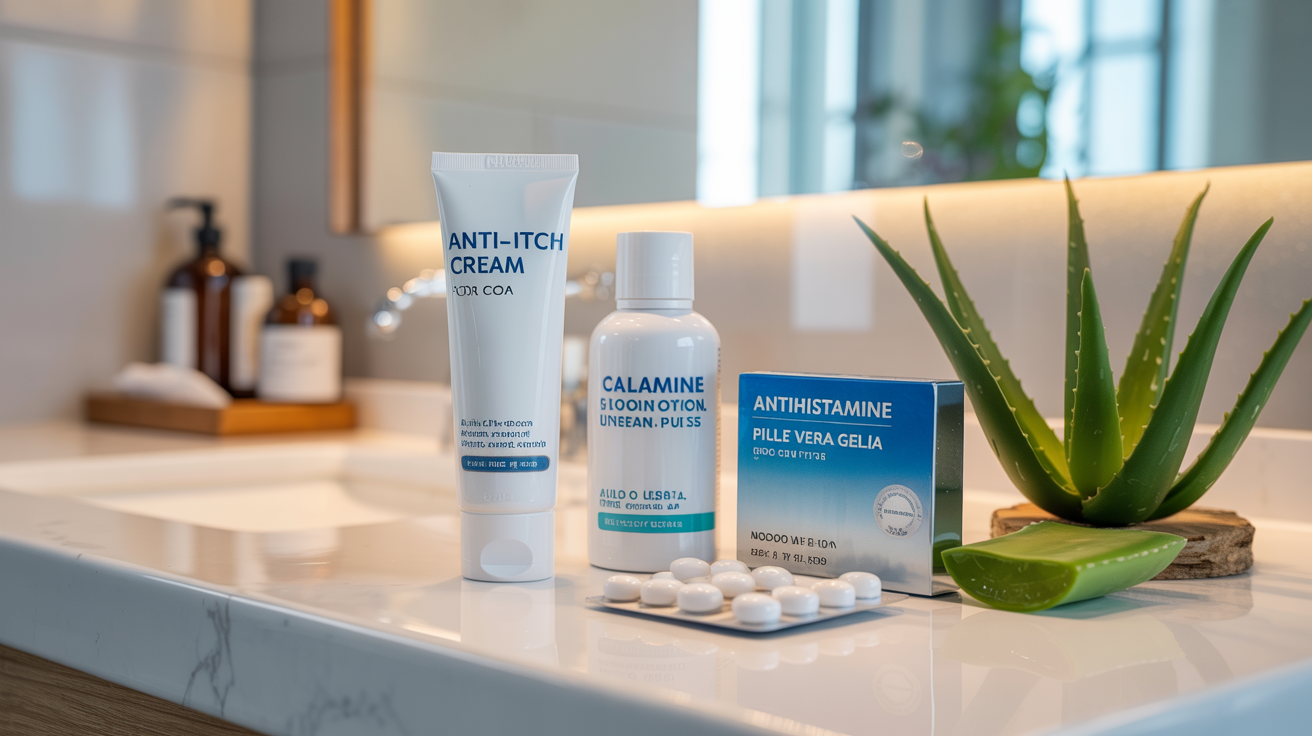
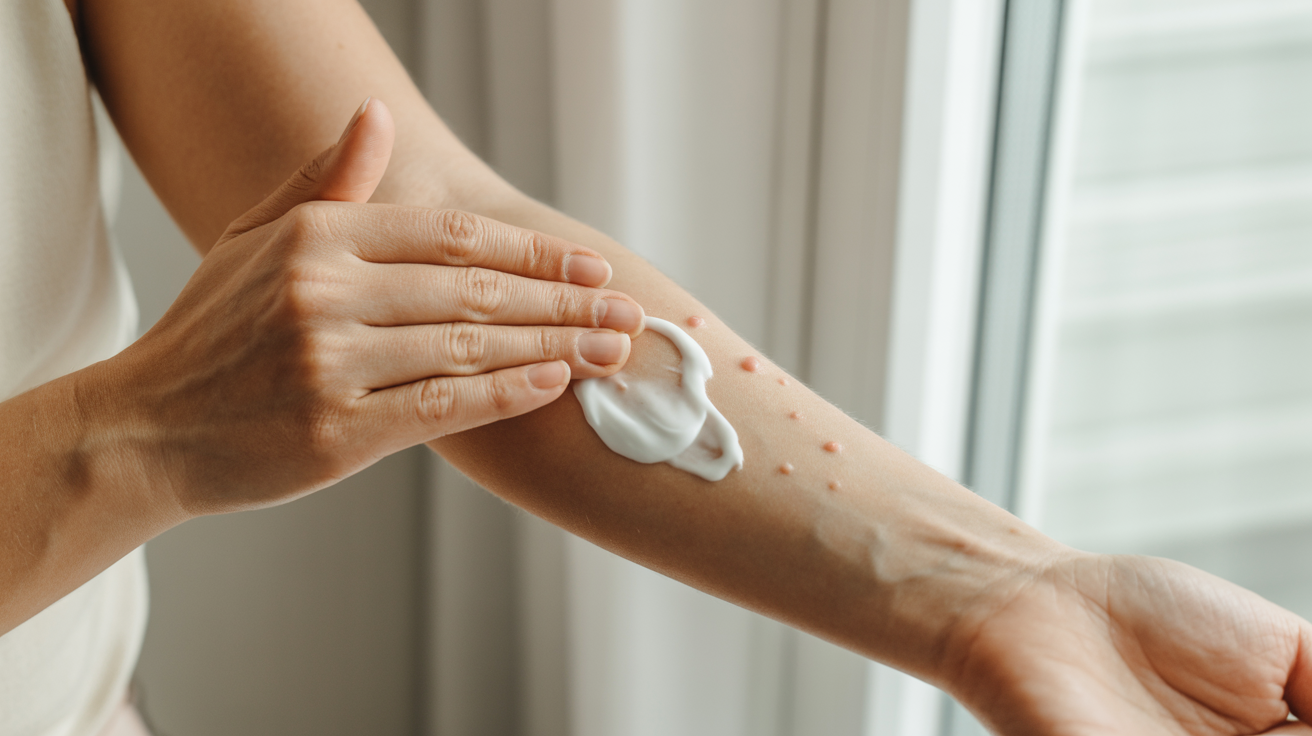
- Apply anti-itch medication immediately. Over-the-counter hydrocortisone cream (1%) or calamine lotion provides the fastest initial relief.
- Take an oral antihistamine like diphenhydramine (Benadryl) or cetirizine (Zyrtec) to reduce the systemic histamine response before it fully develops.
- Resist the urge to scratch. Scratching tears the skin open around the stylostome site, dramatically increasing infection risk and prolonging healing time.
Proven Home Remedies That Actually Work
Not all home remedies are equal. Here are the ones backed by dermatological evidence:
Cold Compresses
Apply a cold, damp cloth or ice pack wrapped in a thin towel to affected areas for 10–15 minutes at a time. Cold constricts blood vessels, numbs nerve endings, and temporarily reduces histamine release. This is one of the most effective immediate itch relievers and is completely safe to repeat as needed.
Colloidal Oatmeal Baths
Add colloidal oatmeal (Aveeno or generic) to a lukewarm bath and soak for 15–20 minutes. Oatmeal contains avenanthramides—natural anti-inflammatory compounds that reduce itching and redness. This is particularly effective when you have bites over a large area of your body.
Baking Soda Paste
Mix baking soda with just enough water to form a thick paste and apply directly to individual bites. The alkaline pH neutralizes some of the acidic enzymes at the bite site and provides temporary relief. Leave on for 10–15 minutes, then rinse gently.
Menthol or Camphor-Based Products
Products containing menthol (like Sarna lotion) or camphor (like CalaGel) create a cooling sensation that overrides itch signals. They are especially useful at night when itching tends to worsen.
Aloe Vera Gel
Pure aloe vera gel (from the plant or 100% gel products) provides soothing relief and supports skin healing. Its anti-inflammatory properties help reduce swelling around bite sites. Apply liberally and let it absorb naturally.
Over-the-Counter Treatments
For moderate to severe chigger bite reactions, these OTC medications are most effective:
- Hydrocortisone cream (1%): Reduces inflammation and itching. Apply 2–3 times daily to affected areas. Most effective in the first 48 hours.
- Antihistamine cream (Benadryl cream): Provides localized itch relief. Do not combine with oral antihistamines without consulting a pharmacist.
- Oral antihistamines: Cetirizine (Zyrtec) or loratadine (Claritin) for daytime; diphenhydramine (Benadryl) at night (causes drowsiness but helps you sleep through the itch).
- Calamine lotion: The classic pink lotion provides a protective, soothing layer over bites and helps reduce oozing.
- Pramoxine (Sarna): A topical anesthetic that numbs the bite site for hours. One of the most underrated OTC options for severe itch.
Remedies That Do NOT Work
Several commonly recommended "treatments" are ineffective or harmful:
- Clear nail polish: The chigger is gone by the time you itch. Nail polish just seals chemicals against irritated skin.
- Bleach or rubbing alcohol on bites: Causes chemical burns on already damaged skin and increases scarring risk.
- Turpentine or gasoline: Extremely dangerous. Can cause chemical burns and systemic toxicity.
- Chiggerex or sulfur-based ointments after biting: These can prevent chiggers from attaching if applied BEFORE exposure, but have no benefit once bites have formed.
When to See a Doctor
Most chigger bites resolve on their own within 1 to 3 weeks. However, seek medical attention if you notice:
- Signs of infection: Increasing redness spreading from the bite, warmth, swelling, pus or discharge, or red streaks extending away from the bite site
- Fever: A temperature above 100.4°F following chigger bites may indicate a secondary bacterial infection
- Severe allergic reaction: Widespread hives, difficulty breathing, swelling of the face or throat (rare but possible)
- Bites that worsen after 5–7 days: Normal bites should be improving by this point—worsening suggests infection
- Bites in sensitive areas: Around the eyes, inside the ear canal, or on genitals may need professional care
A doctor may prescribe stronger topical steroids (triamcinolone or betamethasone), oral steroids for severe reactions, or antibiotics if a secondary infection has developed.
Prevention Is the Best Treatment
The most effective chigger bite treatment is never getting bitten in the first place. If your yard is a recurring source of chigger bites, treating the root cause eliminates the problem for the entire season. Romex Pest Control's chigger treatment program uses targeted perimeter applications that create a residual barrier lasting 60 to 90 days.
For personal protection tips and yard management strategies, read our complete chigger prevention guide or contact Romex for a free yard inspection.