
Professional Chigger Control
Enjoy your yard without chigger bites
What type of property needs service?
Note: We do not service trailer homes or vehicles.

National Strength. Locally Managed & Operated.
Romex is now part of the Rollins, Inc. family—a Fortune 500 leader behind Orkin, HomeTeam, and other trusted names in pest control. Same local technicians, now backed by national-scale training, research, and resources.
What Does Professional Chigger Control Include?
Our chigger control service treats your yard to reduce these tiny pests. Chiggers cause some of the most intense itching of any outdoor pest—lasting one to two weeks per bite. We target the high-risk zones where chigger larvae congregate: tall grass edges, brush lines, shaded turf, and play areas. Treatments use professional-grade bifenthrin and permethrin formulations to create a residual barrier across your property.
We customize treatment frequency based on your unique needs and risk tolerance. Our recommended cadence is every other month to quarterly—roughly every 60 to 90 days. That range keeps the residual product barrier effective between visits. Monthly visits are available during peak chigger season (April through October) or for active infestations.
What's Included
Comprehensive yard inspection and hot-zone identification
Professional-grade bifenthrin broadcast treatment
Targeted perimeter spray at lawn/woods transition zones
Tall grass, brush pile, and leaf litter treatment
Pet play area and patio focus application
Vegetation management recommendations
Follow-up retreatment if chiggers return between visits
Are Chigger Bites Dangerous? Symptoms & Treatment Guide
Chigger bites are not life-threatening for most people, but they cause some of the most intense itching of any insect encounter in the southern United States. Knowing the symptoms—and when to call a doctor—helps you respond quickly.
Attachment & Feeding
Chigger larvae pierce skin and inject digestive enzymes (stylostome). You usually feel nothing at this stage. The mite is microscopic—about 1/150 of an inch.
Red Welts & Itching Begins
Small red bumps appear—often in clusters around waistbands, sock lines, and skin folds. Intense itching starts as your immune system reacts to the stylostome.
Peak Itch & Healing
Itching peaks around days 2–3. Welts may enlarge to 1–2 cm. Scratching risks secondary bacterial infection (cellulitis, impetigo). Bites resolve in 1–2 weeks without scarring if not infected.
Common Chigger Bite Symptoms
- Intense, persistent itching—often worse than mosquito bites
- Clusters of small red bumps or flat welts
- Bites concentrated at waistbands, ankles, behind knees, and groin
- Raised, hardened center (stylostome reaction site)
- Skin may develop a pimple-like or blister-like appearance
- Itching can persist 1–2 weeks even after the mite detaches
When to See a Doctor
- Swelling, warmth, or pus around bites (signs of infection)
- Red streaking extending from bite sites
- Fever or chills accompanying bites
- Bites not improving after 2 weeks
- Severe allergic reaction: widespread hives, difficulty breathing
- Young children scratching bites open repeatedly
Treating Chigger Bites at Home
Source: Centers for Disease Control and Prevention (CDC), University of Missouri Extension
Best Chemical Treatments for Chiggers: What Really Works?
Not all treatments are equal. Here is what university extension research and our field experience show about effective chigger control—from yard treatments to personal repellents.
Professional-Grade Yard Treatments
The workhorse active ingredient for lawn chigger control. Applied as a granular or liquid broadcast across turf, it creates a residual barrier lasting 4–8 weeks. University of Arkansas research shows bifenthrin reduces chigger populations by over 90% when applied correctly.
Effective on lawn edges, fence lines, and transitional zones where mowed grass meets woods or brush. These are the same products used for tick and flea yard control.
Alternative pyrethroids used for targeted spot-treatments of known hot zones—around patios, play areas, and garden borders. Professional application ensures even coverage and proper dosage.
Personal Repellents & DIY Options
The gold standard personal repellent. Apply to skin and clothing before entering chigger habitat. Effective for 4–8 hours depending on concentration.
Treat boots, socks, pant cuffs, and shirt sleeves. Permethrin bonds to fabric and remains effective through several washes. This is the single most effective personal chigger preventive measure.
An old-school repellent dusted on socks and shoes. University research confirms moderate effectiveness, but it has a strong odor and stains clothing.
A mechanical desiccant—works on contact but has limited effectiveness outdoors due to moisture. Better suited as a supplemental tool in dry, covered areas.
Why Professional Application Outperforms DIY
Over-the-counter products are lower concentration. Professional formulations are labeled for commercial use and deliver higher residual activity.
Our power sprayers distribute product evenly at the proper gallons-per-1,000-sq-ft rate—something a hose-end sprayer cannot match.
Our technicians inspect your yard to identify chigger aggregation points (shaded edges, leaf litter, tall grass) and focus treatment where it counts.
Sources: University of Arkansas Division of Agriculture, LSU AgCenter, Texas A&M AgriLife Extension
How to Prevent Chiggers in Your Yard and on Your Skin
The best chigger strategy combines yard management with personal protection. Here is our two-pronged approach—what to do to your property, and what to do to yourself before heading outside.
Yard & Property Prevention
Personal Protection
Prevention reduces exposure—but for established chigger populations, professional yard treatment is the fastest path to relief.
Chiggers vs Fleas vs Ticks: How to Tell the Difference
Itchy bites after time outdoors? The culprit matters—treatment and prevention strategies differ for each pest. Here is how to identify which one bit you.
| Feature | Chiggers | Fleas | Ticks |
|---|---|---|---|
| Size | Microscopic (1/150"); invisible to naked eye | Tiny (~1/8"); visible, dark brown, jumps | Small to medium (1/8"–1/2"); visible, flat to engorged |
| Bite location | Waistband, ankles, behind knees, skin folds | Lower legs and ankles, often in lines | Anywhere—scalp, groin, armpits, behind ears |
| Bite appearance | Red welts in clusters; hardened center | Small red dots; often in rows of 3 ("breakfast, lunch, dinner") | Single painless bump; may have bull's-eye ring (Lyme) |
| Itch severity | Extreme—peaks at 24–48 hours, lasts 1–2 weeks | Moderate—resolves in 1–3 days | Mild or none initially |
| Disease risk (US) | Minimal—no known disease transmission in the US | Low—can transmit murine typhus, cat scratch disease | High—Lyme disease, Rocky Mountain spotted fever, ehrlichiosis |
| Where they live | Tall grass, brush, leaf litter (outdoors only) | Carpets, pet bedding, cracks in floors (indoors + outdoors) | Wooded areas, tall grass, leaf litter (outdoors) |
| Peak season | Late spring through early fall (warm + humid months) | Year-round indoors; spring–fall outdoors | Spring through fall; some species active in winter |
Not sure what bit you? Our licensed technicians can inspect your yard to identify the pest and recommend the right treatment. Chigger control, flea control, and tick control each require different products and application strategies. Call (844) 955-2447 for a professional property assessment and quote.
Want Full Yard Protection?
Chiggers are just one part of the picture. Our Yard Guard program covers ticks, mosquitoes, fleas, and chiggers in a single treatment plan — so you can enjoy your outdoor space without worrying about bites or disease.
Starting at $99/treatment · Covers properties up to 0.75 acres
Learn About Yard Guard →What Types of Chigger Are Common in Our Area?
Chigger Mite (Trombiculidae)
How Do You Identify Chigger in Your Home?
Understanding chigger behavior helps prevent bites during outdoor activities.
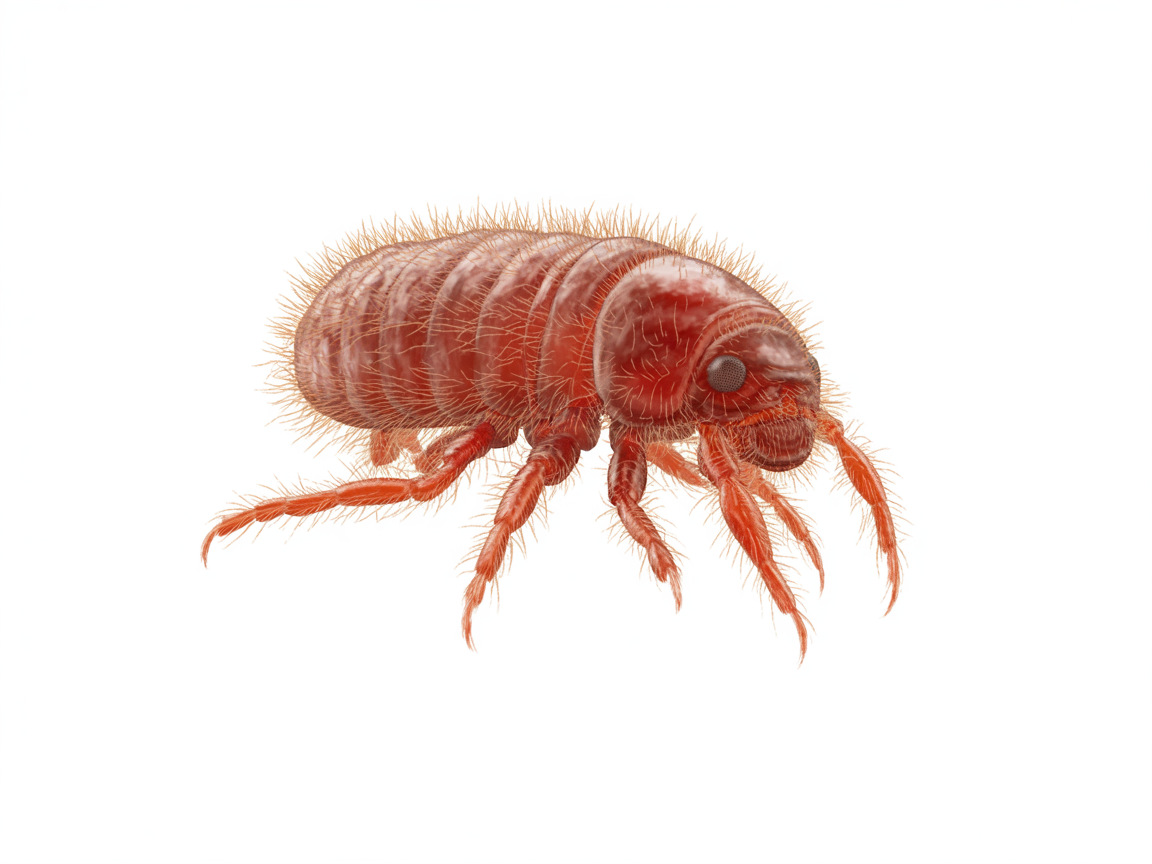
Harvest Mite (Chigger)
Trombicula alfreddugesi
Identification: Microscopic larvae (1/150 inch), red-orange, 6 legs
Habitat: Tall grass, weeds, berry patches, forest edges; most active in warm months
Concern: Bites cause intense itching for 1-2 weeks; do not transmit disease in US
Source: LSU AgCenter
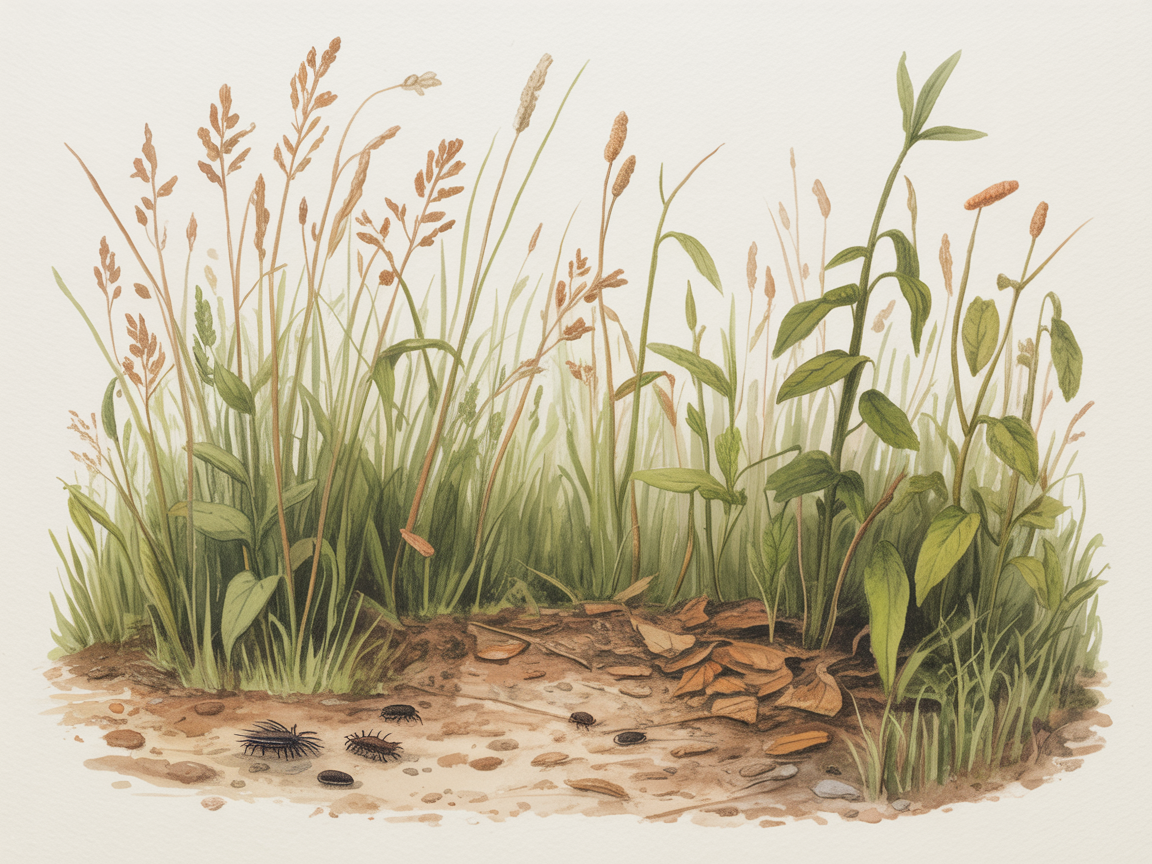
Chigger Habitat
High-risk areas
Identification: Overgrown lawns, tall weeds, brush piles, shaded moist areas
Habitat: Edges of forests, around ponds, unmowed areas
Concern: Treatment of yard perimeter and high-use areas reduces exposure
Source: LSU AgCenter
You shouldn't have to share your home with pests
Your home is supposed to be your sanctuary—not a place where you feel invaded and uncomfortable.
Finding droppings in your kitchen every morning
Hearing scratching sounds in the walls at night
Worrying about your family's health and safety
Feeling embarrassed to have guests over
Constantly cleaning up after pest damage
Sound Familiar? You've Probably Already Tried...
The Romex Method: Identify, Eliminate, Protect
We believe pest control isn't about reacting to problems—it's about preventing them before they start. That's why we focus on creating an invisible barrier around your home that keeps pests out year-round.
Imagine your home the way it should be
A home where the only residents are the ones you invited. That's what our customers experience, and it's what you deserve too.
How Can You Prevent Chiggers?
Keep grass mowed to 3 inches or shorter weekly
Clear brush piles, leaf litter, and tall weeds
Apply DEET (20–30%) or picaridin to skin before going outdoors
Treat clothing with 0.5% permethrin spray—especially socks and pant cuffs
Wear long pants tucked into socks when walking through tall grass
Shower with hot soapy water within 1 hour of outdoor activity
Wash outdoor clothes in hot water and tumble dry on high heat
Create a 3-foot gravel or mulch barrier between lawn and wooded areas
Why Do Homeowners Trust Romex?
Licensed & Insured
Fully certified professionals
Same-Day Service
Fast response when you need it
Satisfaction Guarantee
Free re-treatment if pests return
Eco-Friendly Options
Ask about child & pet friendly
What Happens If You Ignore a Chigger Problem?
Chiggers aren't just a nuisance—they pose real risks to your health, comfort, and ability to enjoy your own yard.
Health Risks
- •Bites cause extreme itching lasting 1–2 weeks per incident
- •Scratching opens skin to secondary bacterial infections (cellulitis, impetigo)
- •Widespread welts and rash, especially in waistband and ankle areas
- •Severe allergic reactions may require prescription-strength treatment
Economic Costs
- •Doctor visits and prescription medications for infected bites
- •Lost work days and reduced productivity from persistent discomfort
- •Ongoing professional yard treatment costs
- •Landscaping modifications to eliminate chigger habitat
Emotional Toll
- •Persistent misery from itching that disrupts sleep
- •Avoidance of outdoor activities, gardening, and yard work
- •Frustration when your own property feels unusable
- •Anxiety about children and pets playing outside
Property Damage
- •Large sections of yard become effectively unusable during season
- •Ongoing vegetation management and mowing schedule required
- •Overgrown areas indicate chigger habitat to potential buyers
- •Landscape modifications may be needed to eliminate harborage
What Do Homeowners Ask About Chigger Control?
Get Professional Chigger Control Today
Pest Identification Guide
Learn to identify the specific species covered by this service. Click any pest for detailed biology, behavior, and prevention tips.
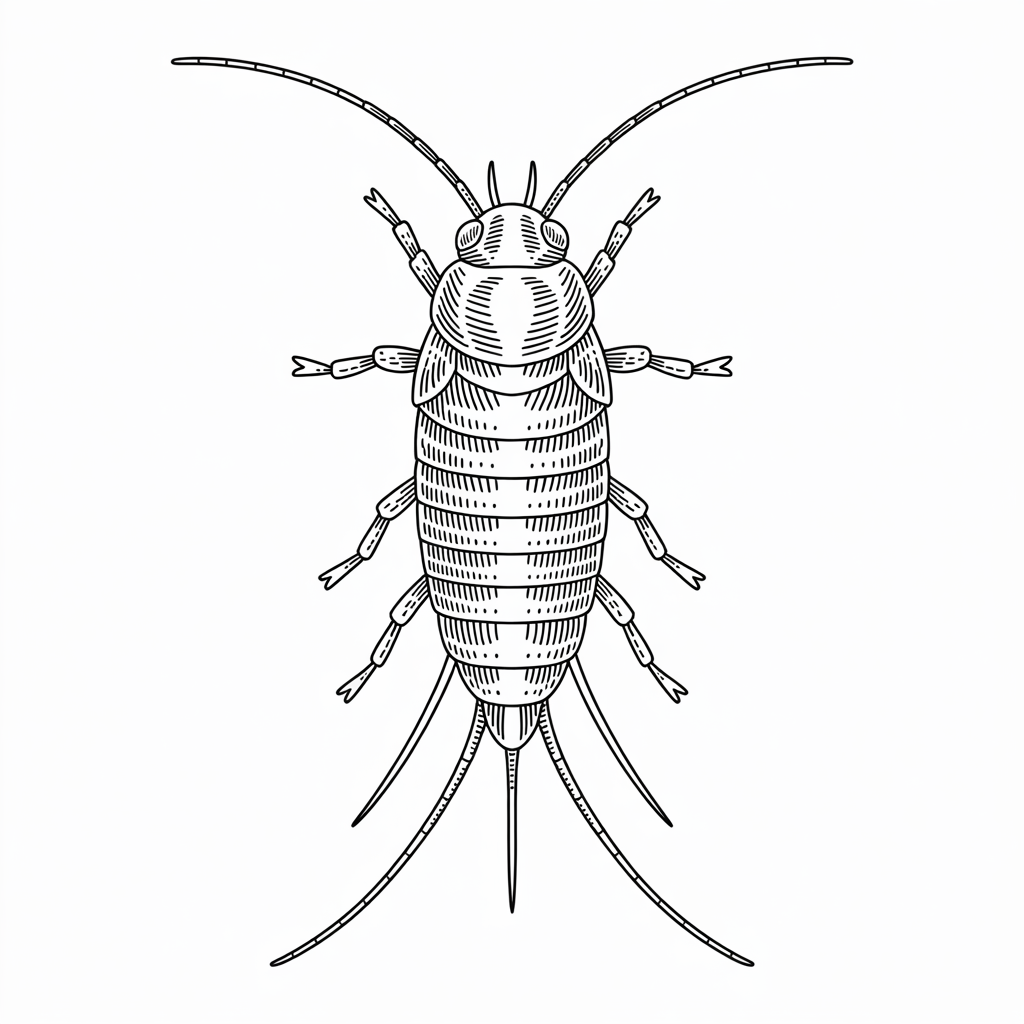
Silverfish
Lepisma saccharinum
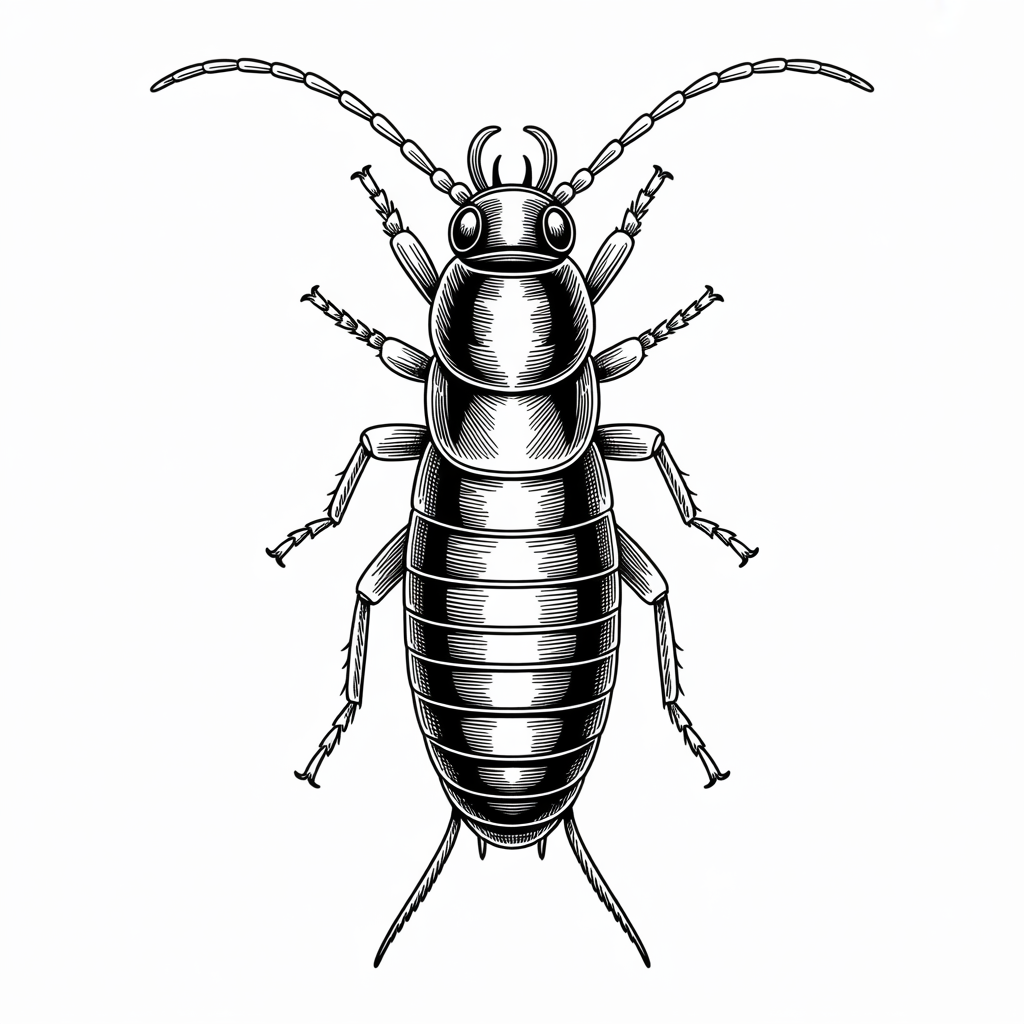
European Earwig
Forficula auricularia
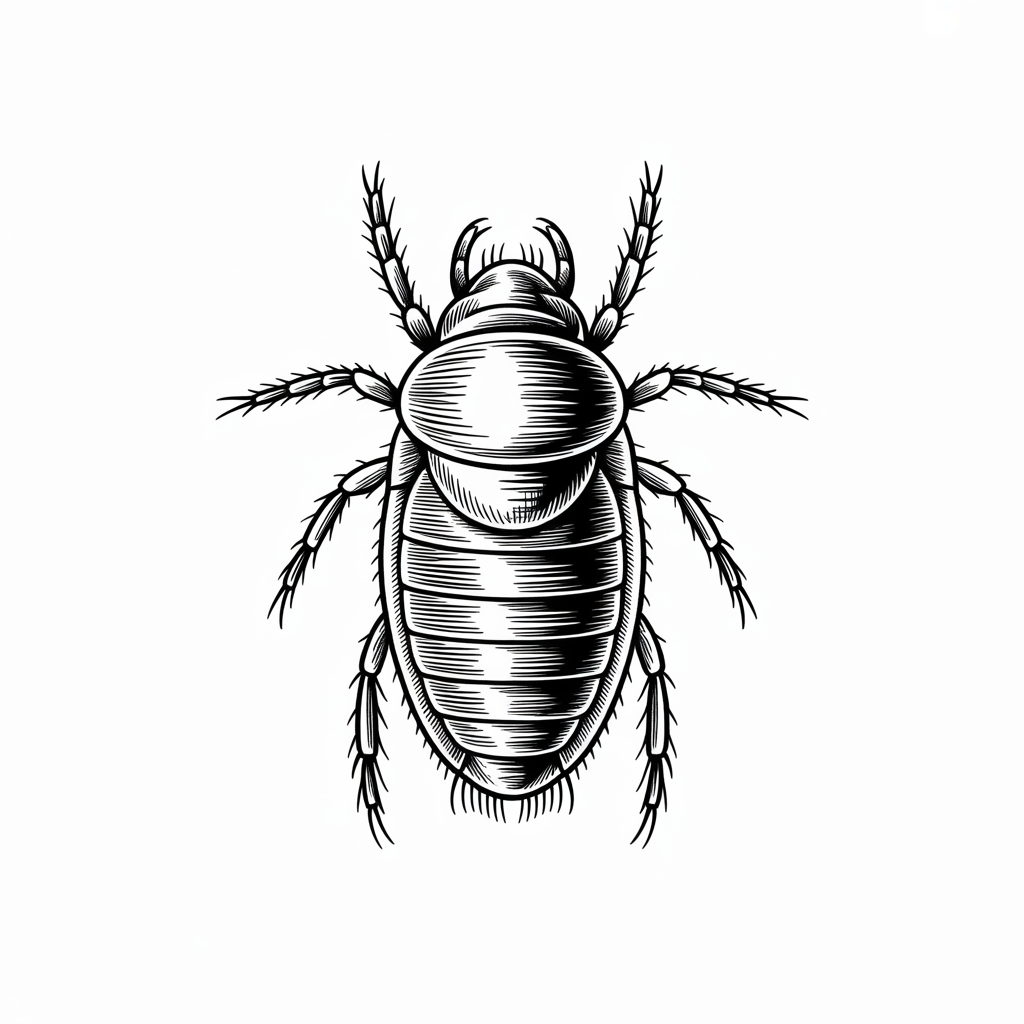
Chigger
Trombiculidae family
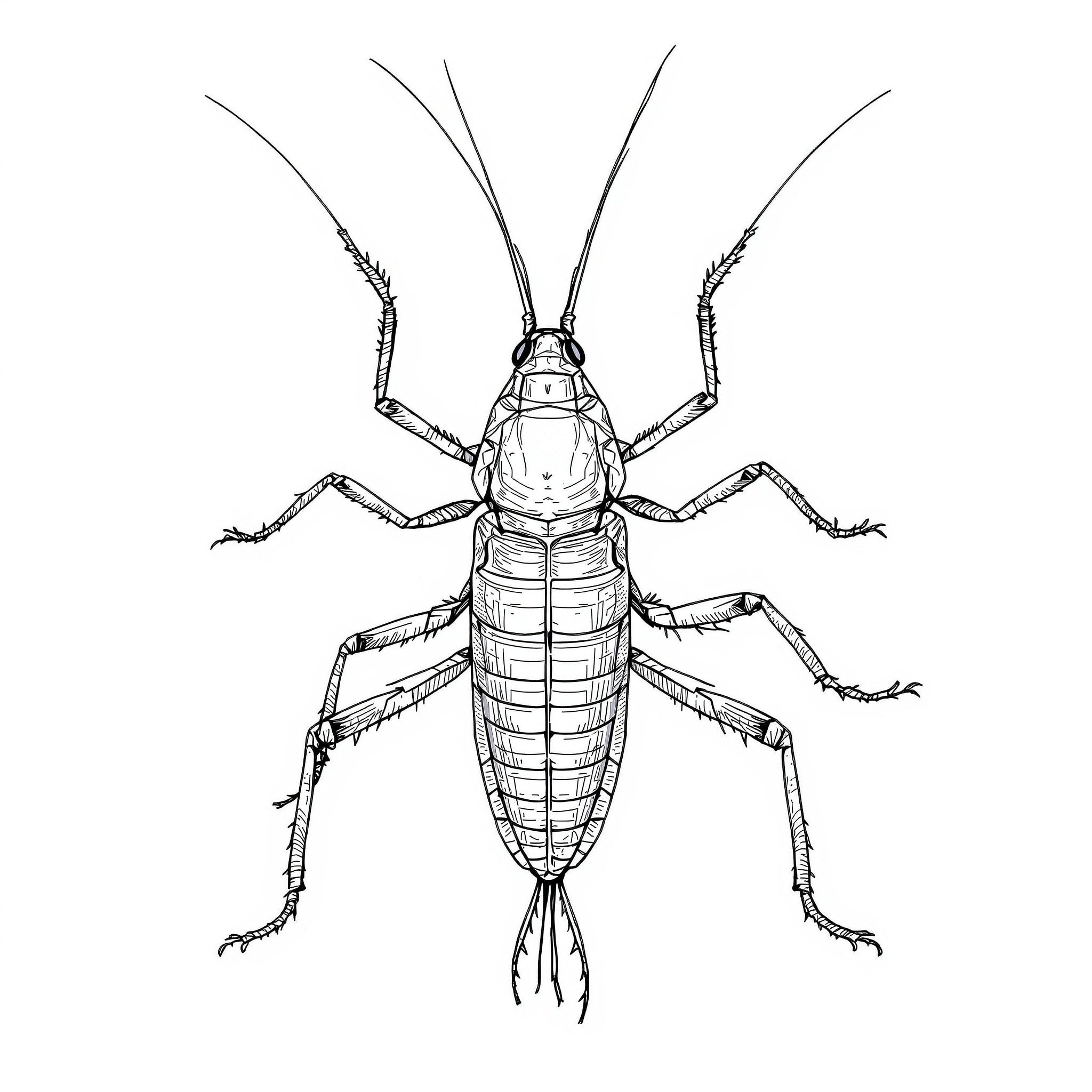
House Cricket
Acheta domesticus
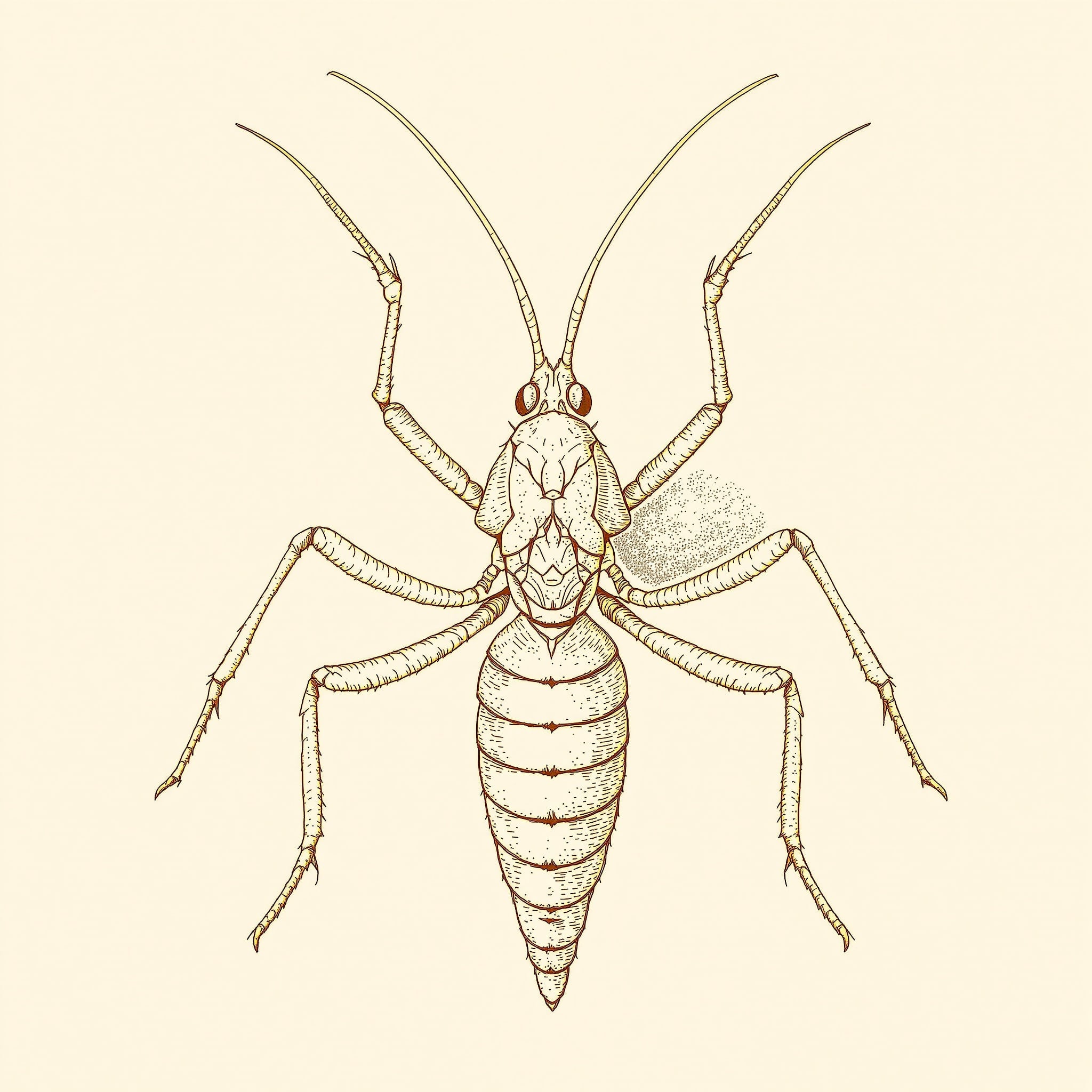
Camel Cricket
Ceuthophilus species
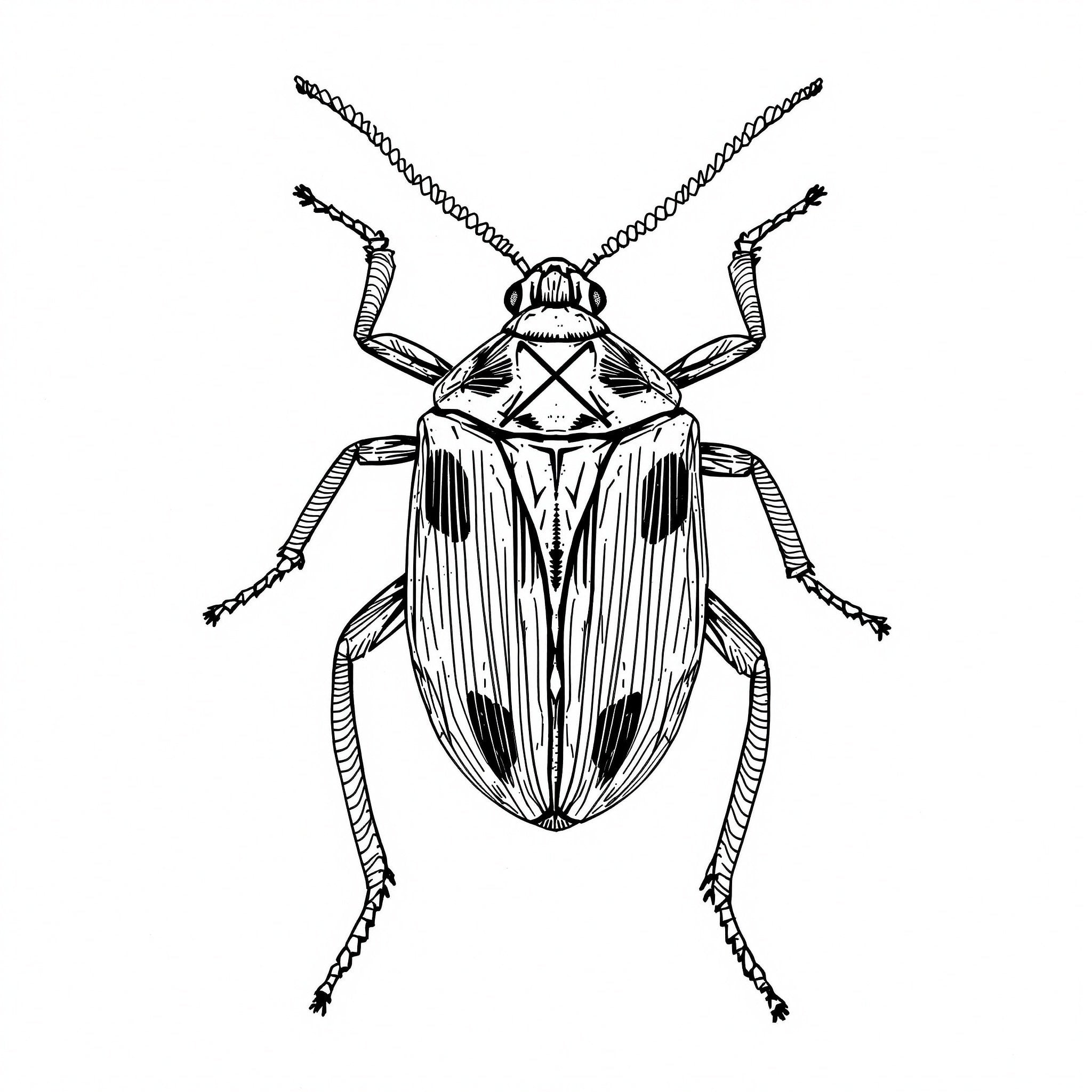
Boxelder Bug
Boisea trivittata
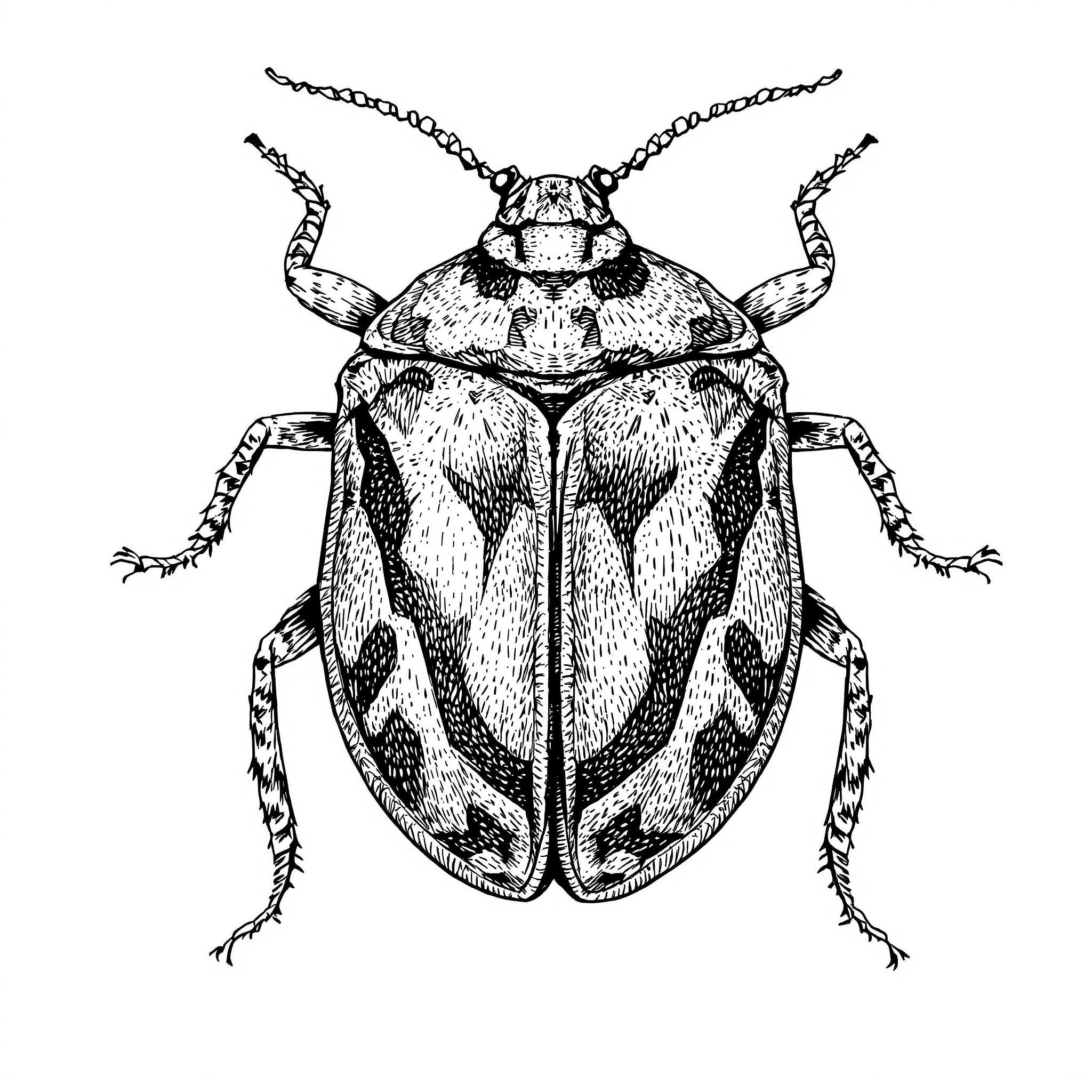
Brown Marmorated Stink Bug
Halyomorpha halys
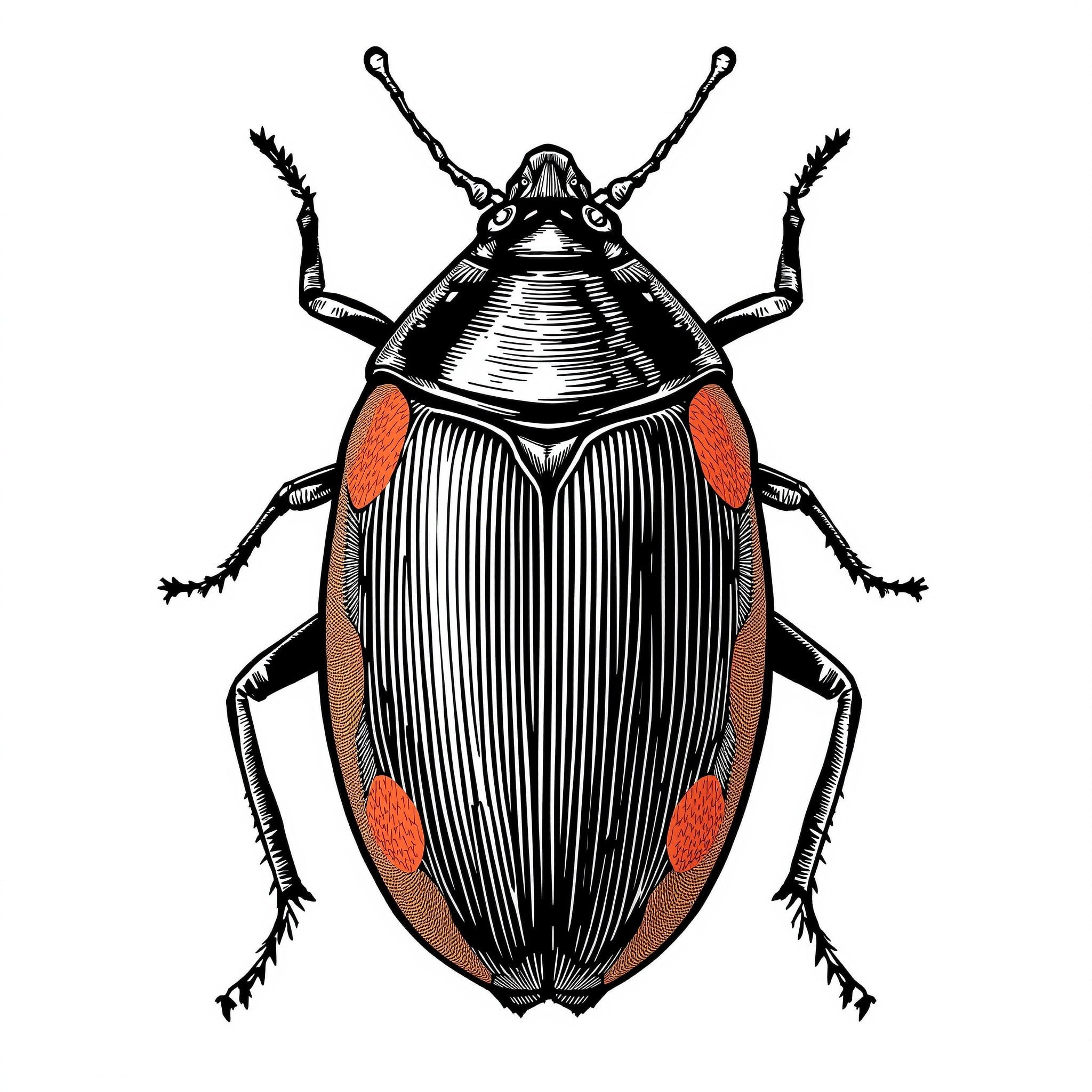
Kissing Bug
Triatoma species
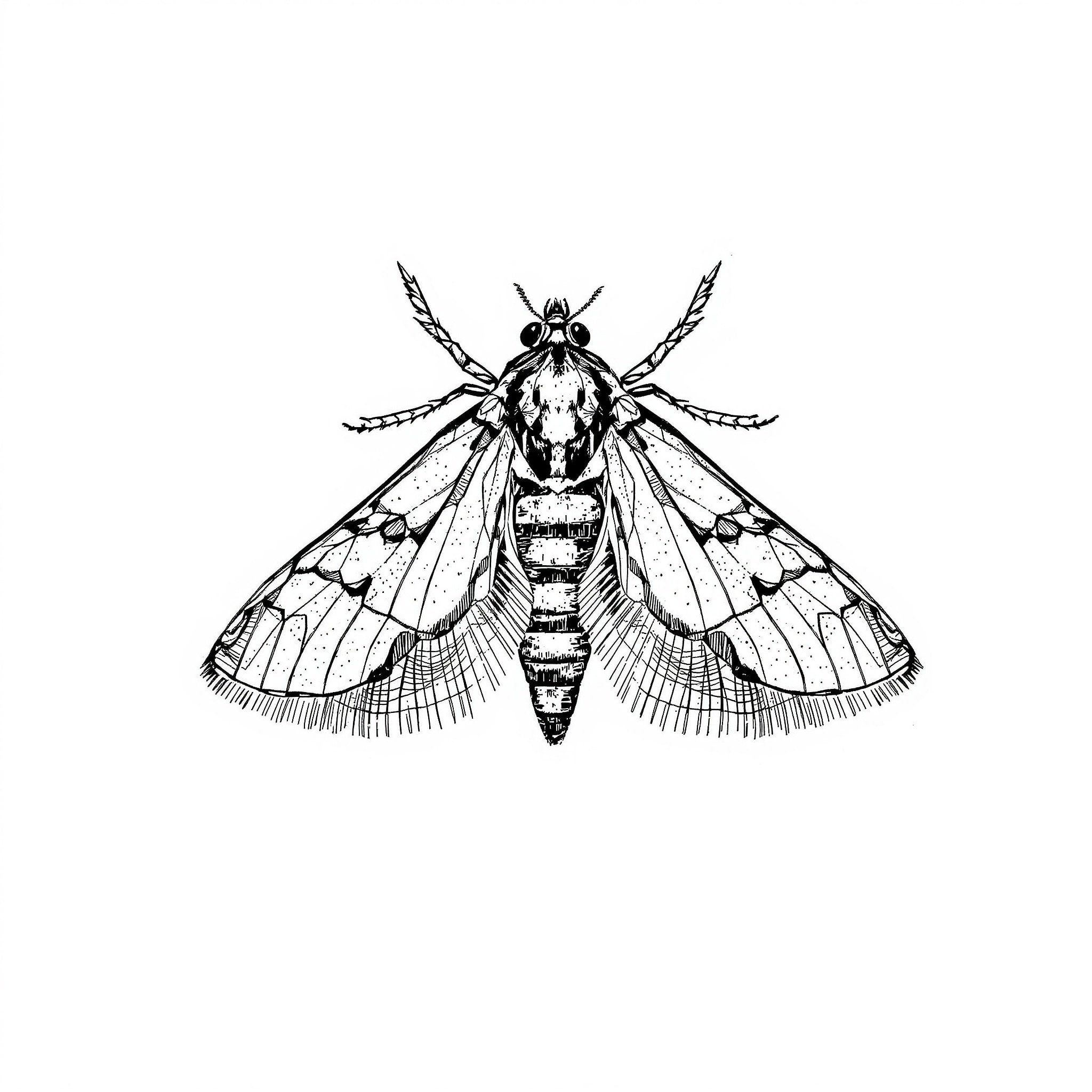
Webbing Clothes Moth
Tineola bisselliella
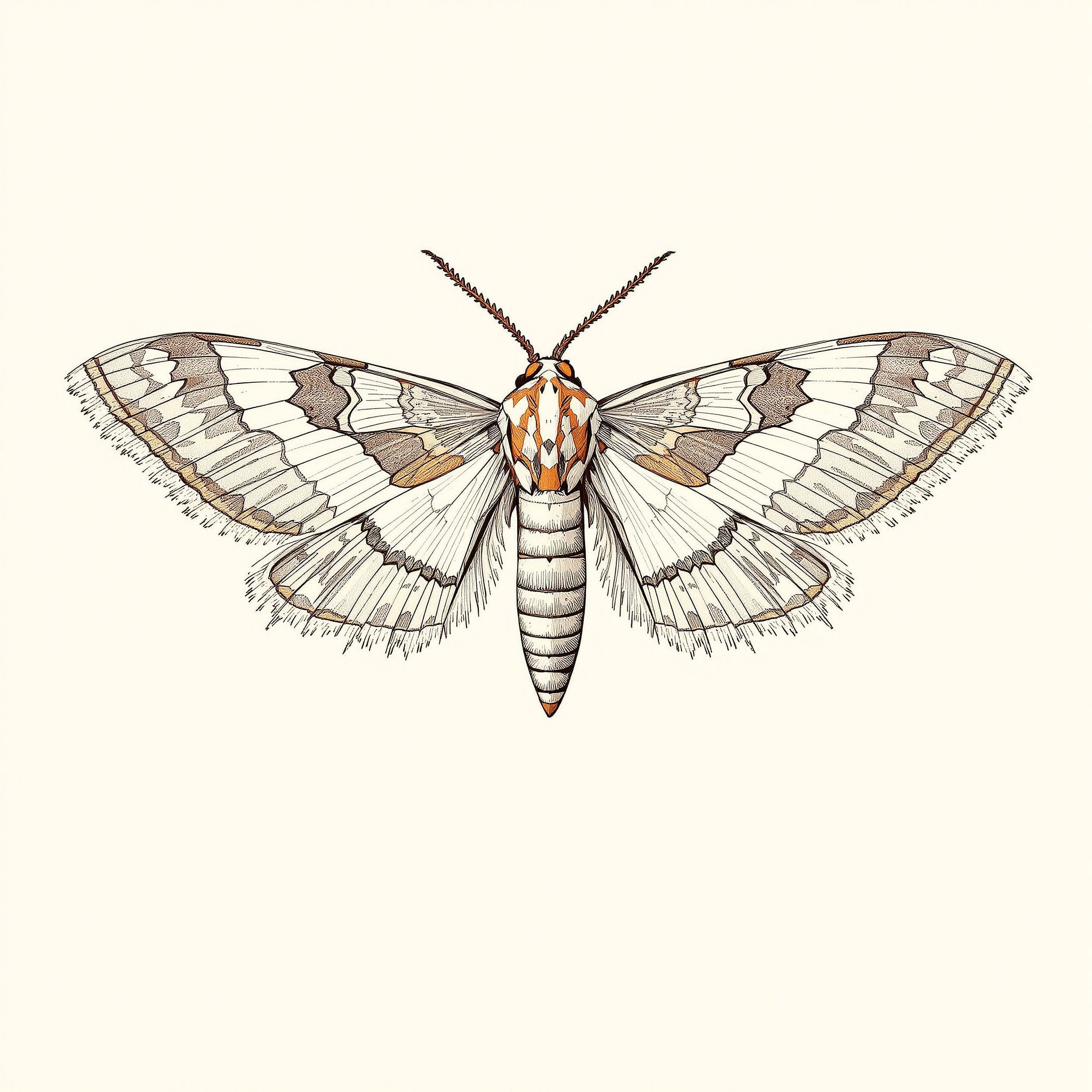
Indian Meal Moth
Plodia interpunctella
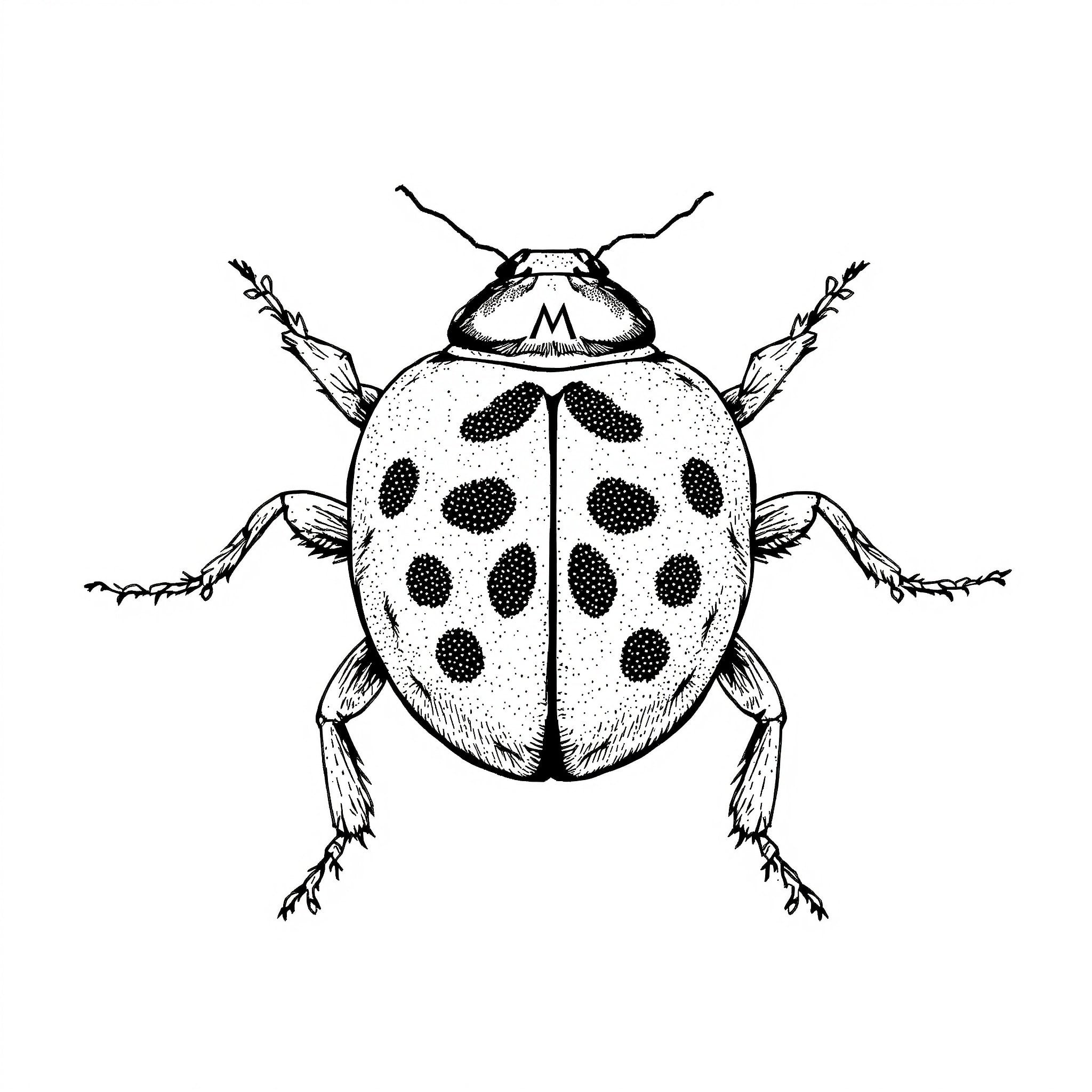
Asian Lady Beetle
Harmonia axyridis
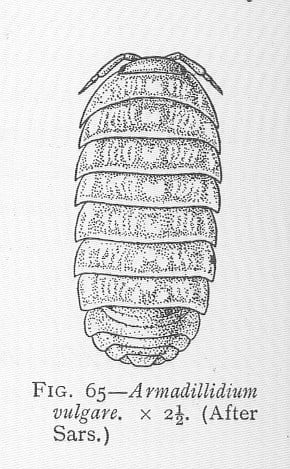
Pill Bug (Roly Poly)
Armadillidium vulgare
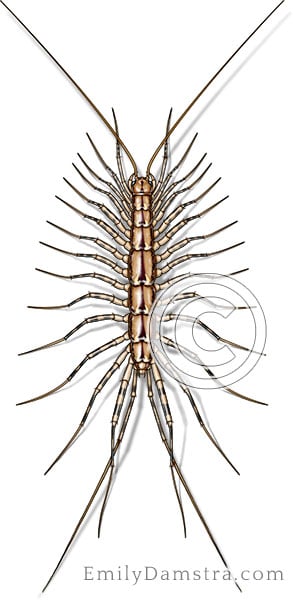
House Centipede
Scutigera coleoptrata
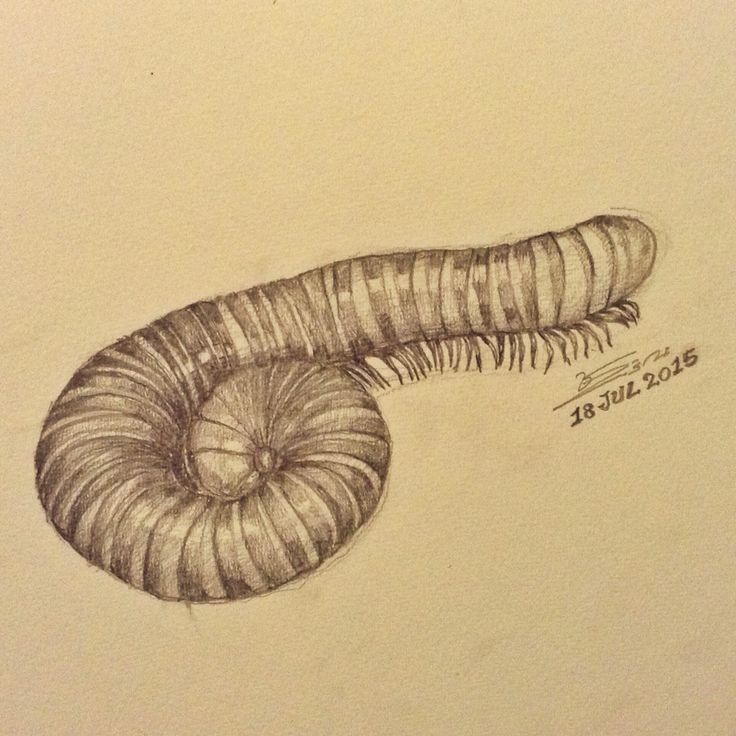
North American Millipede
Narceus americanus
Where Is Chigger Control Available Near You?
We provide professional chiggers control across Texas, Oklahoma, Louisiana, and Mississippi.
Don't see your city? We likely serve your area. View all 377+ service areas →
Ready to Get Rid of Chiggers?
Get a free quote and customized treatment plan for your property