
Chigger
Trombiculidae family
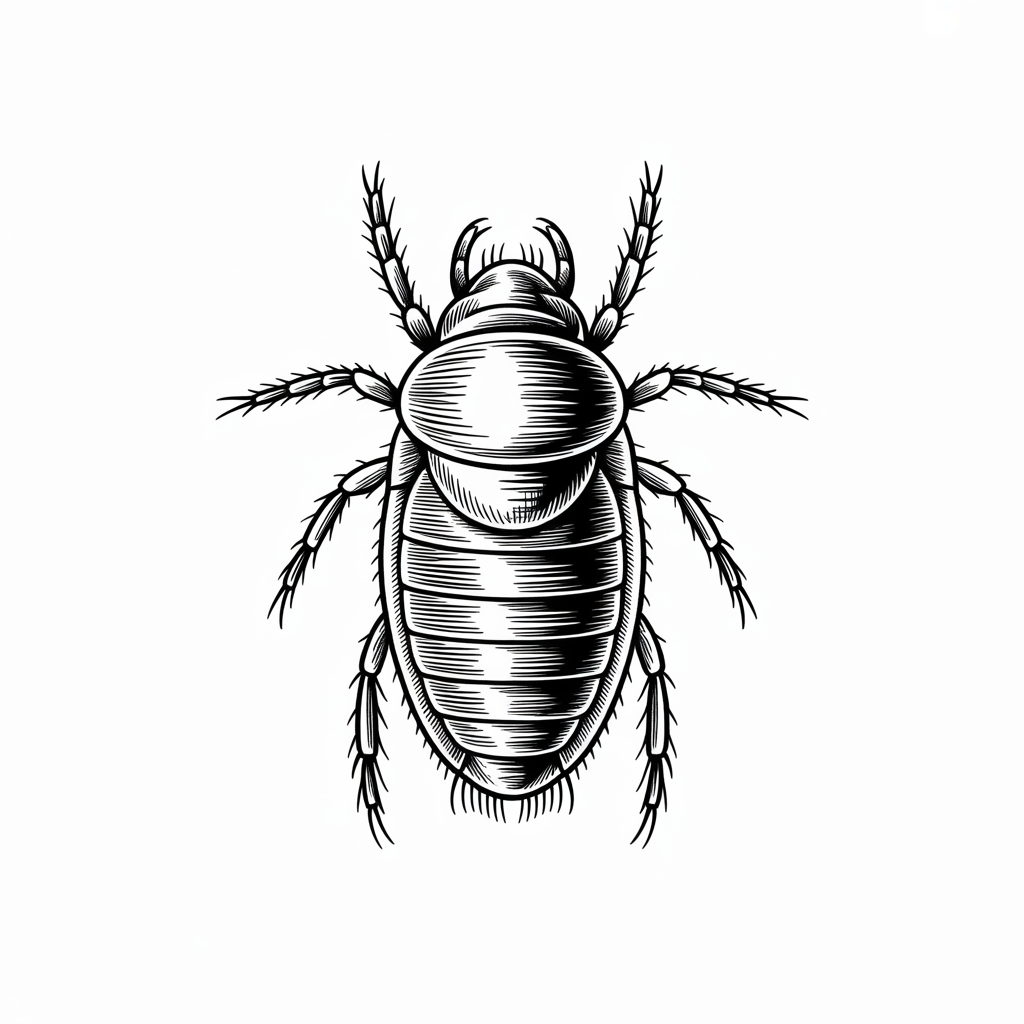
Scientific illustration for identification purposes
Overview
Chiggers are the larval stage of harvest mites. These microscopic red mites cause intensely itchy bites that can last for weeks. They do not burrow into skin but inject enzymes that break down skin cells for feeding.
How to Identify
- Microscopic - barely visible to naked eye
- Red to orange color
- Six legs (larvae only)
- Found in vegetation tips
- Adult mites have 8 legs and do not bite
Behavior
Chigger larvae wait on vegetation tips for hosts to brush by. They migrate to areas where clothing fits tightly (ankles, waist, armpits). They inject enzymes that cause severe itching, then drop off after feeding.
Habitat
Found in tall grass, weeds, brush, and areas with overgrown vegetation. Common along forest edges, in parks, and in unkempt yards. They prefer humid, shaded areas.
Diet
Larvae feed on liquefied skin cells. They do not drink blood or burrow into skin. Adults are free-living predators that eat insect eggs and small invertebrates.
Reproduction
Females lay eggs in soil. Larvae hatch and climb vegetation to find hosts. After feeding, larvae drop off and develop into nymphs and adults that live in soil.
Distribution in the Southern U.S.
Very common throughout Texas, Oklahoma, Louisiana, and Mississippi. Hot, humid conditions promote populations.
Regional Notes
Chiggers are a significant nuisance in the South from late spring through fall. They are particularly abundant in overgrown areas and areas frequented by wildlife.
Signs of Infestation
- Intensely itchy red welts appearing hours after outdoor activity
- Bites clustered around waistband, ankles, or armpits
- Bites that itch for days or weeks
- Bites after walking through tall grass or brush
Prevention Tips
- Avoid walking through tall grass and brush
- Wear long pants tucked into socks
- Apply DEET or permethrin repellent
- Shower immediately after outdoor activities
- Keep lawns mowed and brush cleared
- Treat yard with appropriate insecticides
When to Contact a Professional
Contact a professional if you want yard treatment to reduce chigger populations, especially in frequently used outdoor areas.
Romex Pest Control provides professional chigger control services across Texas, Oklahoma, Louisiana, and Mississippi.
Learn about our chigger control servicesFrequently Asked Questions
Do chiggers burrow into skin?
No, chiggers do not burrow into skin. This is a common myth. They inject digestive enzymes that break down skin cells, creating a feeding tube (stylostome). The intense itching is a reaction to these enzymes.
Does nail polish suffocate chiggers?
No, applying nail polish does not help because chiggers do not burrow into skin. By the time you notice the itch (hours later), the chigger has already dropped off. Treat the itching with anti-itch creams, not nail polish.
Latest Research & News
Recent developments about chigger
Get the latest news and research about chigger
Click "Load News" to fetch recent articles from scientific sources