
Bed Bug
Cimex lectularius
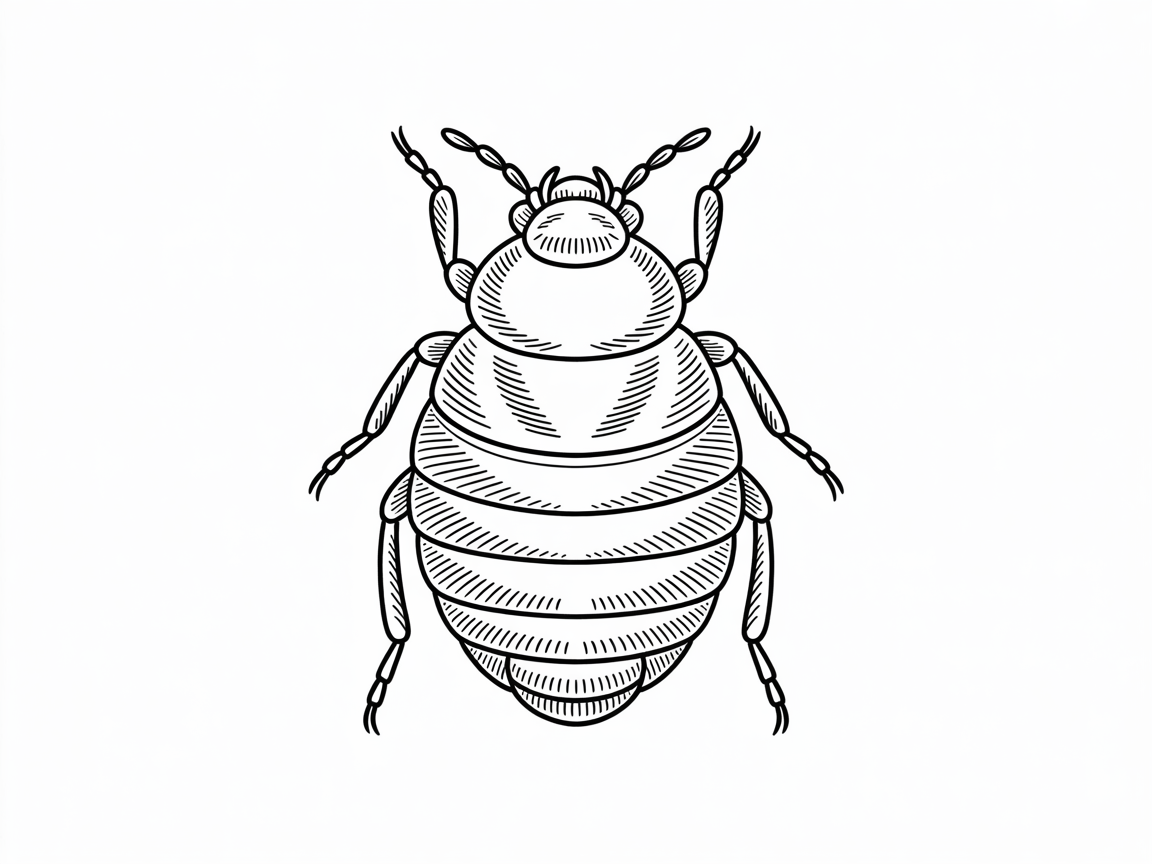
Scientific illustration for identification purposes
Overview
Bed bugs are parasitic insects that feed exclusively on blood, with humans as their preferred host. Once nearly eradicated in developed countries by the 1950s, bed bugs have resurged dramatically since the late 1990s, becoming one of the most challenging urban pests to control.
How to Identify
- Flat, oval-shaped body (swells and elongates after feeding)
- Reddish-brown color (darker and more elongated when engorged)
- Short, golden hairs on body
- Vestigial (non-functional) wing pads
- Six legs and short, broad head with prominent eyes
- Nymphs are smaller and pale yellow to translucent
Behavior
Bed bugs are nocturnal and hide during the day in cracks and crevices near sleeping areas. They are attracted to carbon dioxide and body heat. A single feeding takes 3-10 minutes, during which they inject an anesthetic and anticoagulant. They can survive 6-12 months without feeding.
Habitat
Found wherever humans sleep or rest. Primary harborages include mattress seams, box springs, bed frames, and headboards. As infestations grow, they spread to furniture, wall voids, electrical outlets, and baseboards. Hotels, apartments, and public transit are common sources.
Diet
Blood meals only, preferring human blood but will feed on other mammals and birds. Nymphs must take a blood meal between each of five molts to reach adulthood. Adults typically feed every 5-10 days.
Reproduction
Females lay 1-5 eggs per day (200-500 in lifetime) in hidden locations. Eggs are white, 1mm long, and hatch in 6-10 days. Development from egg to adult takes 5-8 weeks under optimal conditions. A single pregnant female can start an infestation.
Distribution in the Southern U.S.
Found in all Southern states with high prevalence in urban areas. Cities with high tourism, multi-family housing, and transient populations see the highest infestation rates.
Regional Notes
The warm climate allows bed bugs to develop more quickly, potentially producing more generations per year. Air travel, tourism, and the secondhand furniture market contribute to their spread throughout the region.
Signs of Infestation
- Small, itchy welts in lines or clusters on skin
- Blood stains on sheets or pillowcases
- Dark spots (fecal stains) on mattresses and bedding
- Shed skins in hiding areas
- Sweet, musty odor in severe infestations
- Live bugs in mattress seams, bed frames, or nearby furniture
Prevention Tips
- Inspect hotel rooms before settling in (check mattress seams, headboards)
- Keep luggage on hard surfaces, away from beds and upholstered furniture
- Wash and dry travel clothing on high heat immediately upon returning
- Inspect secondhand furniture thoroughly before bringing inside
- Use protective mattress and box spring encasements
- Reduce clutter to minimize hiding spots
- Vacuum regularly, especially around beds and furniture
When to Contact a Professional
Professional treatment is essential for bed bug control. DIY methods are largely ineffective and can spread the infestation. Contact a professional at the first sign of bed bugs - a single bug or one bite is enough reason to call. Heat treatment or integrated pest management by a licensed professional offers the best results.
Romex Pest Control provides professional bed bug control services across Texas, Oklahoma, Louisiana, and Mississippi.
Learn about our bed bug control servicesFrequently Asked Questions
Can bed bugs transmit diseases?
While bed bugs have been found to carry over 40 pathogens, there is no documented evidence of disease transmission through their bites. However, their bites can cause allergic reactions, secondary infections from scratching, and significant psychological distress including anxiety and insomnia.
How did I get bed bugs if my home is clean?
Bed bugs are not attracted to dirt or decay - they are attracted to blood. They spread by hitchhiking on luggage, clothing, used furniture, and personal belongings. Anyone can get bed bugs regardless of cleanliness. Hotels, public transportation, movie theaters, and office buildings can all be sources.
Can I get rid of bed bugs on my own?
DIY bed bug elimination is extremely difficult. Bed bugs hide in tiny crevices, can survive months without feeding, and have developed resistance to many over-the-counter insecticides. Professional treatment using heat, specialized insecticides, or integrated methods is necessary for successful elimination.
Latest Research & News
Recent developments about bed bug
Get the latest news and research about bed bug
Click "Load News" to fetch recent articles from scientific sources