Richland Hills is a small city located in northeast Tarrant County, Texas, and is part of the Dallas–Fort Worth metroplex. The city is known for its proximity to the Trinity Railway Express Richland Hills Station, which provides commuter rail service to both Dallas and Fort Worth. Richland Hills Park, the city's largest public park, offers sports facilities and green space, while the city is also home to the historic Baker Boulevard commercial corridor. From Richland Hills Park to The Link Event & Recreation Center, Romex treats Tarrant County properties with proven local expertise and same-day response.
Same-Day Service • Sentricon® Certified • Satisfaction Guaranteed
Note: We do not service trailer homes or vehicles.

National Strength. Locally Owned & Operated.
Romex is now part of the Rollins, Inc. family—a Fortune 500 leader behind Orkin, HomeTeam, and other trusted names in pest control. What does that mean for you? The same local Richland Hills technicians you already know and trust, now backed by national-scale training, research, and resources. Your service doesn't change. It only gets stronger.
Population: ~8,600 · Tarrant County
Richland Hills is a small city located in northeast Tarrant County, Texas, and is part of the Dallas–Fort Worth metroplex. The city is known for its proximity to the Trinity Railway Express Richland Hills Station, which provides commuter rail service to both Dallas and Fort Worth. Richland Hills Park, the city's largest public park, offers sports facilities and green space, while the city is also home to the historic Baker Boulevard commercial corridor.
Situated within the Eastern Cross Timbers ecological region, Richland Hills features gently rolling terrain with a mix of clay and sandy loam soils. The city is at an elevation of approximately 540 feet above sea level and is bordered on its southwest edge by Calloway Branch, a tributary of Big Fossil Creek. These water features, combined with the area's urban green spaces, provide favorable habitats for both native and urban-adapted pests.
A residential area near Richland Hills Park with mid-century homes and mature trees.
Tree cover and aging structures can harbor carpenter ants and rodents.
Neighborhood along Glenview Drive, featuring a mix of homes and commercial properties.
Mixed-use spaces increase risk of cockroaches and occasional invaders like crickets.
Northern edge near the city boundary with North Richland Hills, close to Calloway Branch.
Proximity to creek and greenbelt brings increased mosquito and ant activity.
Commercial strip with shops, restaurants, and some multifamily housing.
Restaurants and dumpsters attract rodents and flies, especially in warmer months.
What our licensed technicians see on the ground in Tarrant County.
Subterranean termites are the dominant species targeting homes throughout Richland Hills and Tarrant County. Older properties in Richland Park are especially vulnerable, where soil moisture and wood-to-ground contact create ideal conditions for Eastern subterranean colonies. Romex inspectors have identified active infestations within a few miles of Richland Hills Park, typically in homes built before 2000 with untreated crawl spaces or slab cracks. Swarmer flights in March through May provide the clearest early warning. We use Termidor HE liquid treatments and Sentricon bait stations to protect the entire structure rather than spot-treating visible damage.
Prevention tip: Fix any plumbing leaks within 48 hours — even a slow drip under the kitchen sink can sustain a termite colony for months.
Tarrant County ranks among the most mosquito-pressured areas in the region, thanks to the humid subtropical climate and dense tree canopy that blocks drying airflow after storms. Residents in Glenview Area frequently cite mosquito bites when they request service, especially during morning and evening hours. Vector-borne disease surveillance has confirmed West Nile and rarely EEE in Texas counties, making residual barrier treatments more than a comfort issue. Romex technicians map breeding sites with a property walk before any application.
Prevention tip: Clean gutters at least twice per year; clogged gutters are the #1 overlooked breeding site we find in Richland Hills yards.
Ant diversity is high in Richland Hills: we routinely identify fire ants, sugar ants (odorous house ants), rover ants, acrobat ants, and carpenter ants on a single property. Richland Park is a textbook case — tree cover and aging structures can harbor carpenter ants and rodents. Near Richland Hills Park, crazy ants have been documented on a few properties, requiring specialized bait protocols. Romex applicators never recommend over-the-counter aerosols for trails because they scatter satellite colonies and make the problem worse.
Prevention tip: Treat your lawn with a broadcast fire ant bait in spring; a single treatment can protect an acre for the entire season.
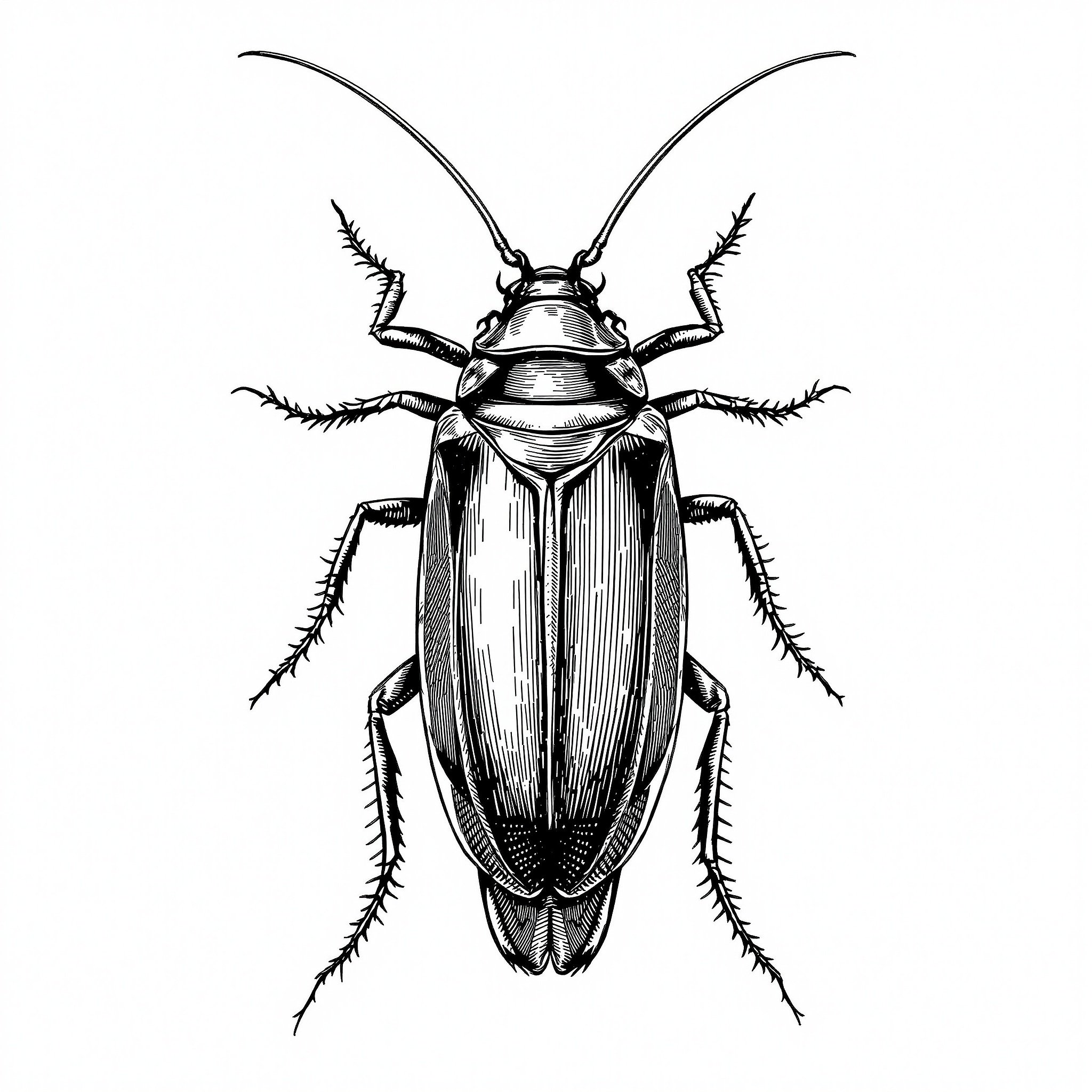
Oriental cockroaches ("black beetles") thrive in the cool, damp spaces under Tarrant County homes — crawl spaces, storm drains, and garage corners. Richland Park homeowners call about them most often in early fall, when roaches seek warmer harborage. Our inspection covers the foundation perimeter for harborage (leaf litter, mulch depth, downspout splash zones) before any product goes down. We follow up with crack-and-crevice Premise 0.05 applications in areas of high moisture.
Prevention tip: Keep a screen or mesh cover on floor drains in garages and utility rooms; American roaches routinely enter through these.
Our technicians understand the unique pest pressures of Richland Hills' clay and sandy loam soils that attract carpenter ants and termites. We tailor treatments to your specific soil conditions and tree coverage.
Living near Richland Hills' creeks and greenbelts means increased mosquito and ant activity. Our targeted perimeter treatments protect your property from moisture-loving pests year-round.
Many Richland Hills homes have older structures that carpenter ants and rodents love to exploit. We identify and seal entry points while treating existing infestations in crawl spaces and attics.
As a locally established company with deep Tarrant County roots, we respond quickly to Richland Hills service calls. Our technicians know the Baker Boulevard Corridor and surrounding neighborhoods intimately.
All Romex technicians are licensed by the Texas Department of Agriculture and follow strict application guidelines for residential pest control. Many Richland Hills neighborhoods have HOA landscaping requirements that we work within when treating exterior areas.
Richland Hills features a humid subtropical climate, with average summer highs in the mid-90s°F, winter lows in the upper 30s°F, and annual rainfall around 36 inches. The combination of warm temperatures and moderate rainfall supports high insect activity, especially in spring and summer. High humidity levels in late summer can also drive indoor pest migrations.
The presence of Calloway Branch and several greenbelts creates moist environments conducive to mosquitoes and ants. Dense urban vegetation and mature trees provide habitat for termites, rodents, and occasional wildlife intruders. The area's clay soils can also promote subterranean termite activity, especially after heavy rains.
Warmer temperatures and spring rains create favorable breeding conditions for mosquitoes and ants along Calloway Branch and greenbelts. Termite swarms are common as soil moisture rises.
High heat and humidity increase mosquito and roach activity in shaded yards and around water features. Wasps build nests near eaves, and rodents seek shelter in cooler interiors.
Cooler nights prompt rodents and spiders to move indoors. Crickets are common in grassy areas such as Richland Hills Park and migrate inside as temperatures drop.
Rodents seek warmth in attics and crawl spaces, while silverfish and other occasional invaders may be found in bathrooms and kitchens. Overall pest activity is lower but indoor issues persist.
Pro Tip: Richland Hills homeowners save up to 40% with year-round protection plans that proactively treat for seasonal pests before they become infestations.
In 2000, the extension of the Trinity Railway Express through Richland Hills led to increased development along the rail corridor, bringing new pest control challenges as construction disturbed rodent and insect habitats.
TDA-licensed professionals serving Tarrant County since 2016. Full liability and workers' compensation coverage.
Professional pest control tailored to Richland Hills's local conditions. Targeted treatments that minimize chemical use while maximizing effectiveness. We also guide homeowners on IPM strategies they can implement between visits.
Certified specialists in Sentricon® Always Active™ termite baiting. Essential protection for Tarrant County properties.
Direct, straightforward answers to the most common pest control questions we hear from homeowners and property managers in Richland Hills. Pricing always depends on the size of your property and the severity of the infestation — schedule a free inspection for a tailored quote.
Real pest treatment data from our Richland Hills service records — not estimates.Updated April 2026
Quarterly & preventive treatments for common household pests
Targeted treatments requiring specialized protocols & equipment
Richland Hills's diverse climate zones create unique pest challenges across the state, from Gulf Coast humidity to arid western regions.
Texas's size and climate diversity mean pest pressures vary significantly by region. Gulf Coast areas battle moisture-loving pests like termites and cockroaches, while central and west Texas deal with drought-adapted species like scorpions. Understanding your local pest ecosystem is crucial for effective control.
Year-round pest activity requires consistent monitoring and treatment
Climate zone determines primary pest threats - coastal vs. inland strategies differ
Integrated Pest Management (IPM) combining exclusion, sanitation, and targeted treatment works best
Fire ant management requires community-wide efforts for best results
Verified reviews from Richland Hills and surrounding areas
Reviews are from Google Business Profile and updated weekly
See all reviews on GoogleComprehensive protection against common household pests
Romex technicians route through Richland Hills daily. The map below shows the city and surrounding area we serve.
Spring activity — schedule preventive treatment now.
“Romex eliminated our carpenter ant problem in our Richland Park home within two weeks. Their technician knew exactly where to look in our older foundation!”
Richland Hills sits in Tarrant County, where situated within the Eastern Cross Timbers ecological region, Richland Hills features gently rolling terrain with a mix of clay and sandy loam soils. The city is at an elevation of approximately 540 feet above sea level and is bordered on its southwest edge by Calloway Branch, a tributary of Big Fossil Creek. These water features, combined with the area's urban green spaces, provide favorable habitats for both native and urban-adapted pests. These local features shape which pests thrive here. Romex Pest Control builds every treatment plan around this knowledge. We use biological, cultural, physical, and chemical methods endorsed by the EPA. The goal is simple: manage pests with less risk to your family, property, and the environment.
The presence of Calloway Branch and several greenbelts creates moist environments conducive to mosquitoes and ants. Dense urban vegetation and mature trees provide habitat for termites, rodents, and occasional wildlife intruders. The area's clay soils can also promote subterranean termite activity, especially after heavy rains. Richland Hills features a humid subtropical climate, with average summer highs in the mid-90s°F, winter lows in the upper 30s°F, and annual rainfall around 36 inches. The combination of warm temperatures and moderate rainfall supports high insect activity, especially in spring and summer. High humidity levels in late summer can also drive indoor pest migrations. Because of these local pressures, our technicians change their approach month to month. In spring, we focus on moisture control and perimeter barriers. Summer means targeting mosquito breeding sites. Fall calls for rodent exclusion as temps drop. Winter treatments tackle cockroaches and other pests that stay active indoors.
Every Romex treatment in Richland Hills follows four steps: inspect, identify, treat, and monitor. After the first service, we set up regular check-ins to catch new pest activity early. In neighborhoods like Richland Park, Glenview Area, North Richland Hills Border, our technicians see distinct pest patterns—tree cover and aging structures can harbor carpenter ants and rodents.. This proactive approach means less product overall and longer-lasting results for Richland Hills homeowners.
When you book pest control with Romex in Richland Hills, you get a treatment program built for Tarrant County conditions. Near Richland Hills Park and The Link Event & Recreation Center, the surrounding greenery and foot traffic contribute to pest activity year-round. Here is what to expect from your first visit through ongoing protection:
Your Romex technician inspects your Richland Hills property inside and out. We check the foundation, attic, crawl spaces, plumbing entry points, landscaping, and moisture-prone spots. Because Richland Hills’s terrain features situated within the eastern cross timbers ecological region, richland hills features gently rolling terrain with a mix o, we pay close attention to moisture pathways and soil-contact points. We document every finding and share it with you before treatment starts.
Getting the ID right matters. Different pest species need different treatments. Our technicians pinpoint the exact species, check population levels, and assess risk factors for your property. In Richland Hills, pest pressures vary by neighborhood. Richland Park tends to see tree cover and aging structures can harbor carpenter ants and rodents. Meanwhile, Glenview Area faces different challenges: mixed-use spaces increase risk of cockroaches and occasional invaders like crickets. We also look for conditions that attract pests—standing water, wood touching soil, and gaps in exterior seals.
Based on what we find, we apply targeted treatments chosen for the pests on your property. We keep exposure low for your family and pets. Options include perimeter barriers, crack-and-crevice treatments, baiting systems, granular products, and exclusion work. For termite protection in Richland Hills, we offer Sentricon® Always Active™ bait stations—the most trusted colony removal technology available. All products are applied by Texas Department of Agriculture (TDA)-licensed technicians.
Pest control is not a one-time fix—especially in Texas's climate. After your first treatment, we set up recurring visits on an every-other-month to quarterly cadence (roughly every 60 to 90 days) to refresh the residual product barrier before it can weaken to the point of becoming ineffective. Whether you are in Richland Park or North Richland Hills Border, our schedule fits the specific pressures in your part of Richland Hills. Between visits, our satisfaction guarantee means if pests come back, so do we—at no extra cost.
Your Richland Hills home deserves year-round pest protection. Our residential programs cover the most common invaders: ants, spiders, cockroaches, rodents, mosquitoes, and fleas. Given Richland Hills’s landscape—situated within the eastern cross timbers ecological region, richland hills features gently rolling —we target entry points and hiding spots specific to this area.
Plans include initial indoor and outdoor treatment, regular perimeter care, web removal, wasp nest removal, rodent checks, and seasonal treatments. We work during time windows that fit your schedule and always clean up. Most treatments need just 30 to 60 minutes before re-entry. That makes them safe and easy for busy Richland Hills families with kids and pets.
Richland Hills businesses face their own pest challenges. Restaurants, retail stores, warehouses, offices, and healthcare buildings each have different rules and risks. Properties near busy spots like Richland Hills Park need proactive programs that stop pest sightings before they hurt a business’s reputation.
Our commercial programs include service reports, compliance-ready records, discreet vehicles and uniforms, after-hours scheduling, and emergency response for surprise sightings. We work with Richland Hills property managers, restaurant owners, and facility directors across Tarrant County to build pest plans that protect their staff, customers, and reputation.
Professional pest control is most effective when combined with good prevention habits. In Richland Hills, richland Hills features a humid subtropical climate, with average summer highs in the mid-90s°F, winter lows in the upper 30s°F, and annual rainfall around 36 inches. The combination of warm temperatures and moderate rainfall supports high insect activity, especially in spring and summer. High humidity levels in late summer can also drive indoor pest migrations. Here are practical steps Richland Hills homeowners can take between service visits to reduce pest attractants:
Fix leaky faucets. Make sure water drains away from your foundation. Use dehumidifiers in damp basements or crawl spaces. With Richland Hills’s waterways nearby, moisture control is extra important. Check sprinkler systems often to stop standing water near your Richland Hills home's foundation.
Trim tree branches and shrubs at least 18 inches from your home. Clear leaf litter, mulch buildup near foundations, and dead wood from your yard. Keep firewood at least 20 feet away and off the ground. Good yard care around Tarrant County homes cuts down hiding spots for spiders, ants, and rodents.
Check your Richland Hills home for gaps around pipes, foundation cracks, torn screens, and spaces under doors. Even tiny openings let in insects and mice. Seal them with weatherstripping, door sweeps, caulk, and steel wool. Richland Hills’s soil can shift and create new gaps. Check your seals each season.
Every Richland Hills property is different, so pest control pricing is quoted based on two main factors: the size of your property and the type and intensity of the pest problem. Romex provides free inspections and transparent, upfront pricing with no hidden fees—so you know exactly what to expect before any work begins.
Larger homes and commercial properties require more product, more time, and broader perimeter coverage. Your quote reflects the actual square footage and layout of your Tarrant County property—not a one-size-fits-all estimate.
A minor ant issue costs less than a severe termite infestation or a multi-room rodent problem. We assess the species, severity, and access points during your free inspection so the quote matches the actual work needed.
Targeted visit for a specific pest issue or seasonal flare-up.
Year-round protection with seasonal adjustments. Most popular for Tarrant County homes.
Sentricon® baiting system installation and ongoing monitoring.
Professional pest control throughout the region
Get a free pest control quote today and join hundreds of satisfied customers in Richland Hills.