Rusk, Texas is the county seat of Cherokee County and is set amidst the rolling hills and pine forests of East Texas. The city is home to the Texas State Railroad, a historic attraction that draws visitors for scenic excursions between Rusk and Palestine. Rusk also features the Rusk Footbridge, the longest footbridge in the nation, and is located near the Jim Hogg State Park, reflecting its deep historical roots and natural beauty. From Texas State Railroad Depot to Rusk Footbridge, Romex treats Cherokee County properties with proven local expertise and same-day response.
Same-Day Service • Sentricon® Certified • Satisfaction Guaranteed
Note: We do not service trailer homes or vehicles.

National Strength. Locally Owned & Operated.
Romex is now part of the Rollins, Inc. family—a Fortune 500 leader behind Orkin, HomeTeam, and other trusted names in pest control. What does that mean for you? The same local Rusk technicians you already know and trust, now backed by national-scale training, research, and resources. Your service doesn't change. It only gets stronger.
Population: ~5,400 · Cherokee County
Rusk, Texas is the county seat of Cherokee County and is set amidst the rolling hills and pine forests of East Texas. The city is home to the Texas State Railroad, a historic attraction that draws visitors for scenic excursions between Rusk and Palestine. Rusk also features the Rusk Footbridge, the longest footbridge in the nation, and is located near the Jim Hogg State Park, reflecting its deep historical roots and natural beauty.
Rusk sits in the Piney Woods region of East Texas, characterized by sandy loam soils and gently undulating terrain at an elevation of about 495 feet. The region is densely forested with loblolly and shortleaf pine, as well as hardwoods, providing ample habitat for numerous pest species. Distant from major rivers but near several small creeks and ponds, the area’s moisture and shade create ideal conditions for insects and rodents.
Historic core with government buildings, shops, and the railroad depot.
Older structures and proximity to wooded lots increase rodent and termite risks.
Residential area with newer developments and schools.
Suburban lawns and gardens attract fire ants and mosquitoes, especially after rains.
Primarily rural with large wooded lots and scattered homes.
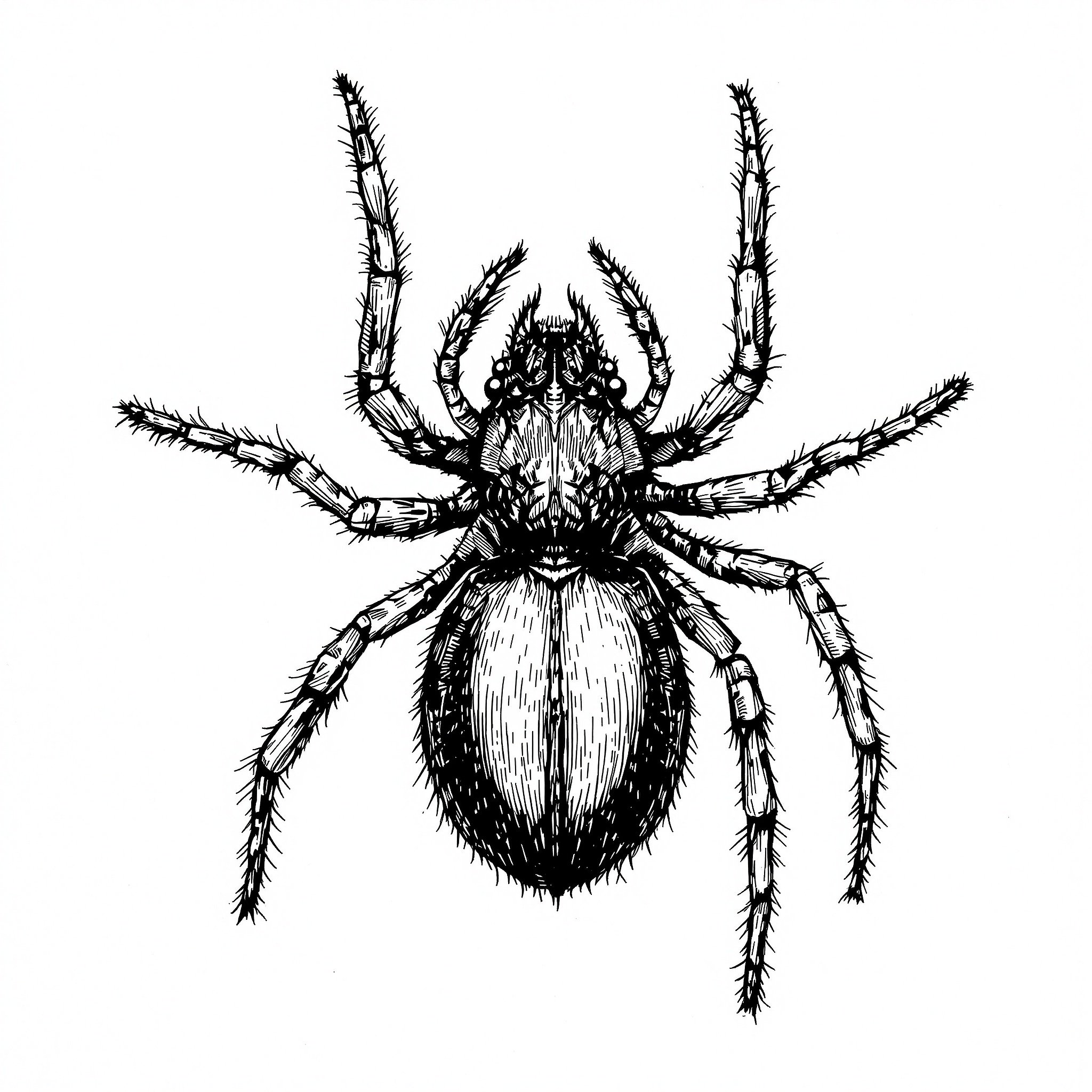
Dense foliage and nearby creeks provide habitat for ticks, spiders, and snakes.
Homes adjacent to state park and forested lands.
Proximity to forest increases sightings of wildlife pests like raccoons and armadillos.
What our licensed technicians see on the ground in Cherokee County.
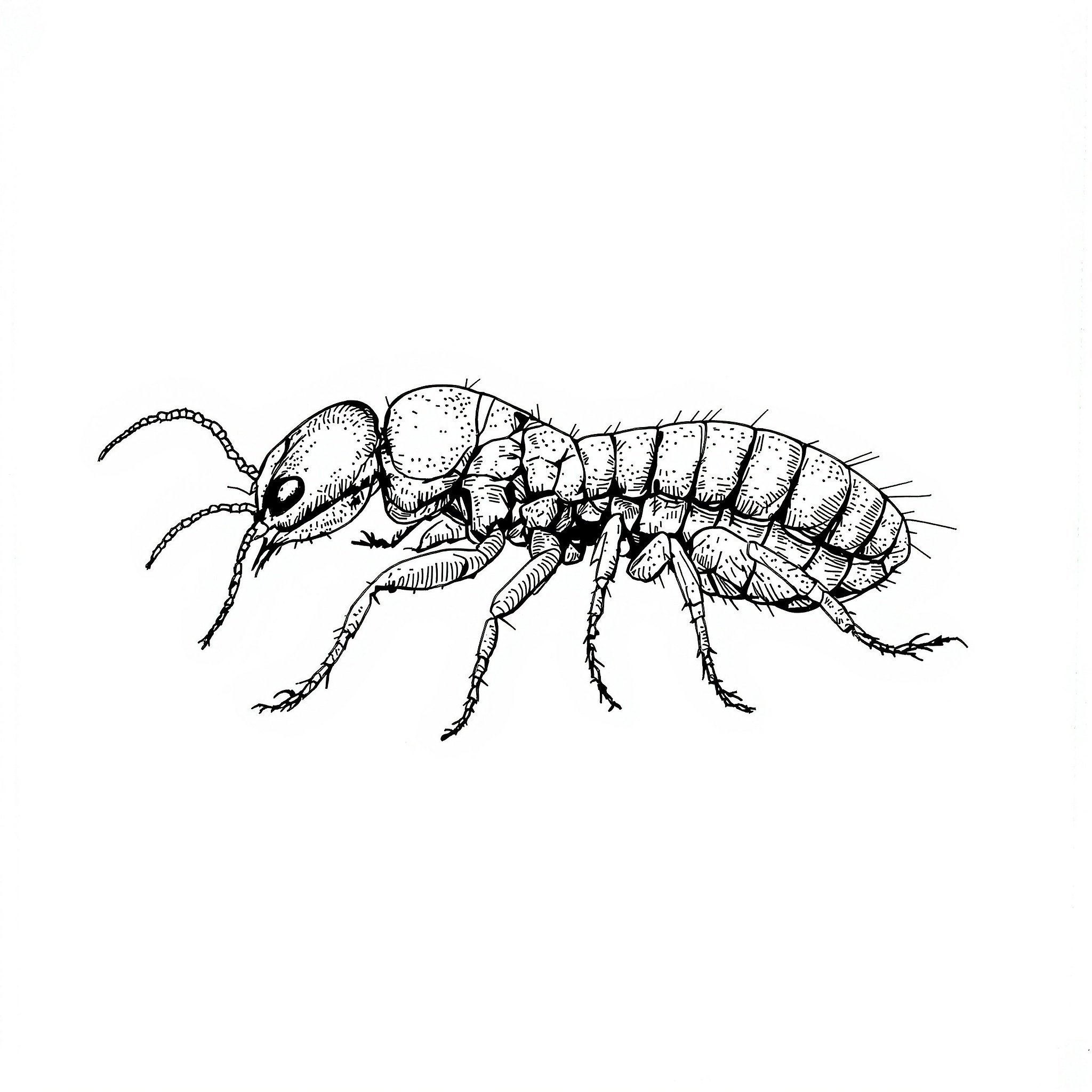
Cherokee County sits within a moderate-to-heavy termite pressure zone according to USDA and TPCL mapping. In Rusk, subterranean species — primarily Reticulitermes flavipes — account for nearly all reported infestations. Downtown Rusk shows the classic risk profile: older structures and proximity to wooded lots increase rodent and termite risks. Historic structures near Texas State Railroad Depot often need remedial treatment because earlier pre-construction soil barriers have degraded. Our approach combines quarterly exterior inspections with in-wall boroscope probes wherever mud tubes are suspected.
Prevention tip: Fix any plumbing leaks within 48 hours — even a slow drip under the kitchen sink can sustain a termite colony for months.
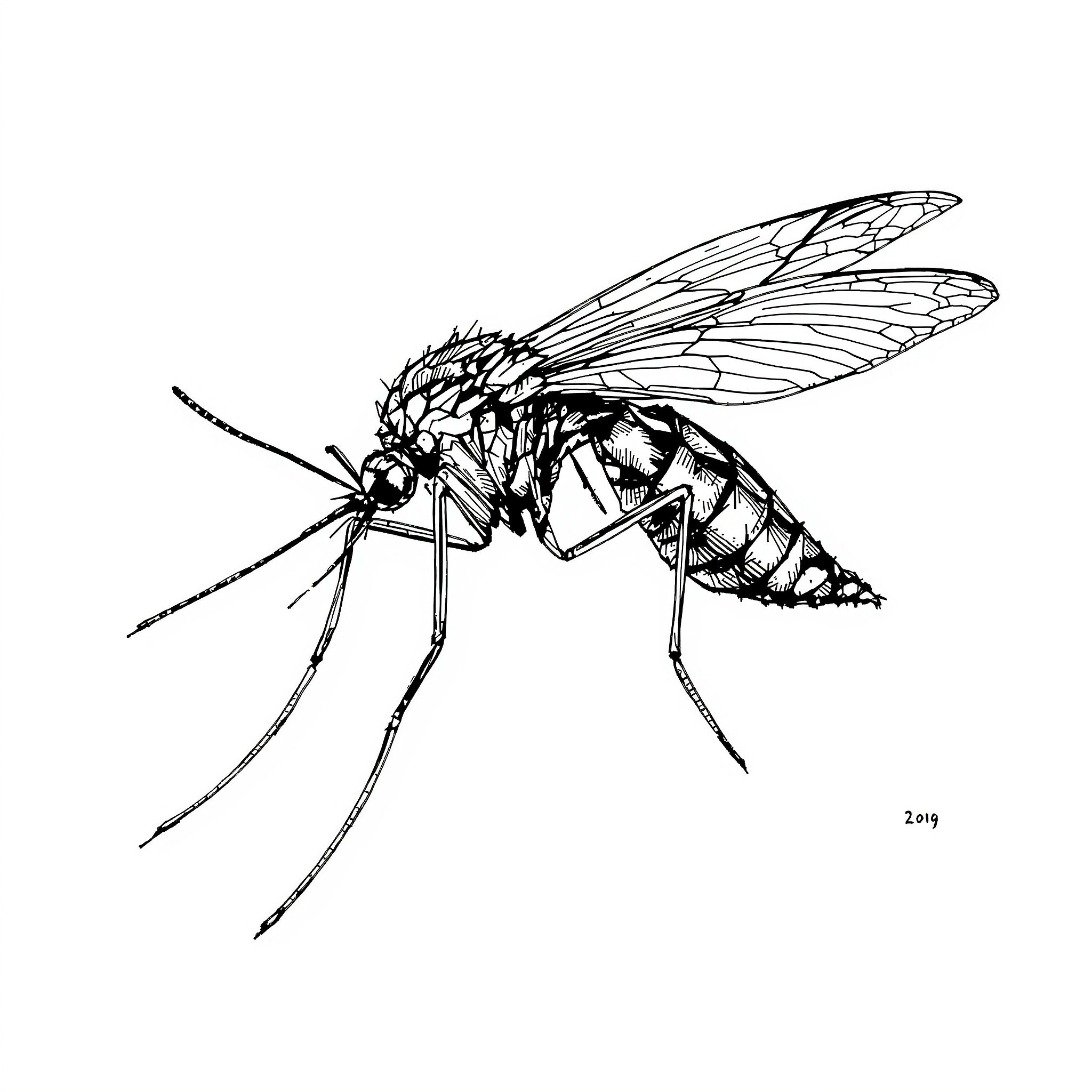
Cherokee County ranks among the most mosquito-pressured areas in the region, thanks to the humid subtropical climate and dense tree canopy that blocks drying airflow after storms. Residents in North Rusk frequently cite mosquito bites when they request service, especially during morning and evening hours. Vector-borne disease surveillance has confirmed West Nile and rarely EEE in Texas counties, making residual barrier treatments more than a comfort issue. Romex technicians map breeding sites with a property walk before any application.
Prevention tip: Use a dunk-style larvicide (Bti) in any decorative pond, rain barrel, or low spot that can't be drained within a week.
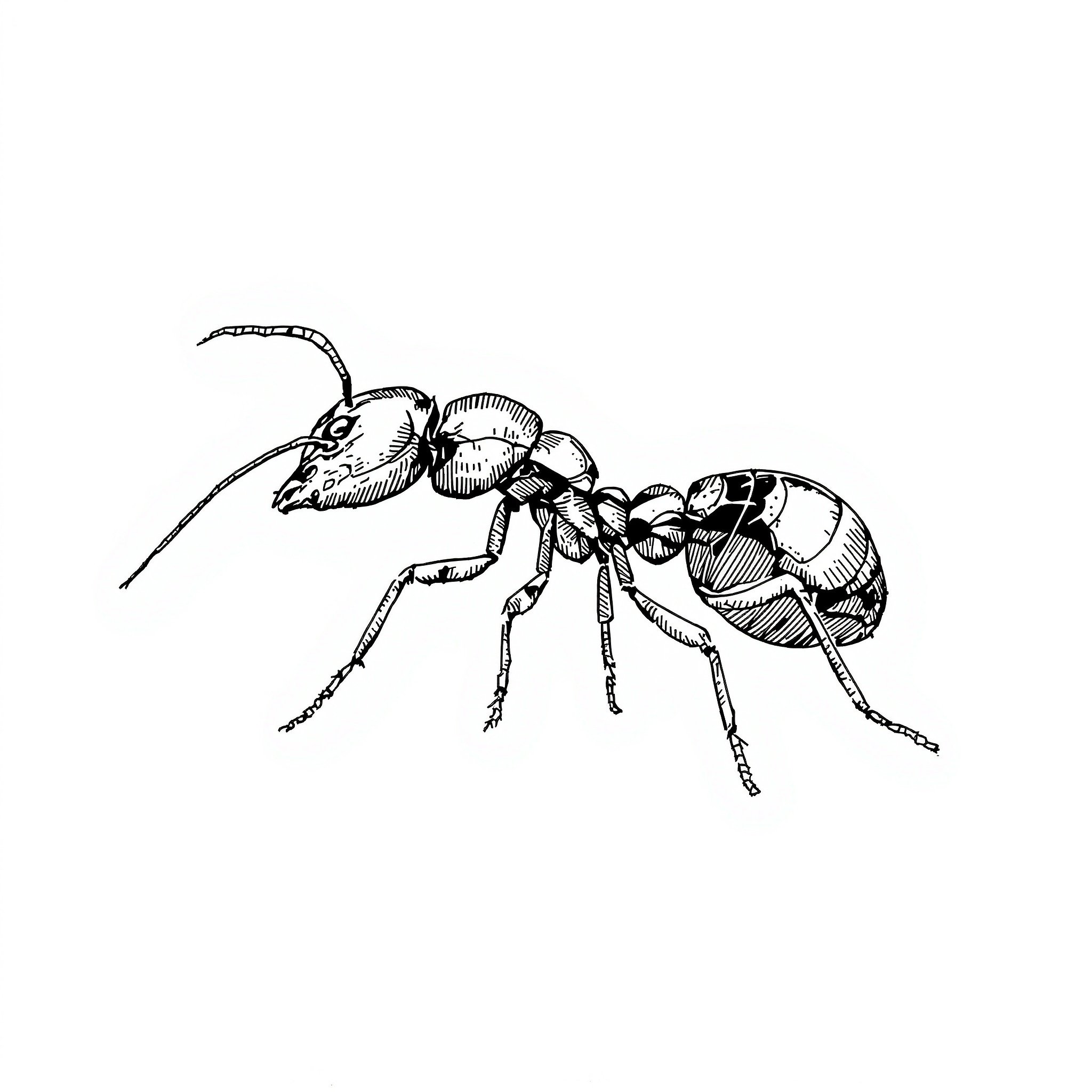
Fire ants arrived in the Gulf region decades ago and have no effective native predators. In Rusk, mounds tend to cluster along sun-exposed areas: driveway edges, sidewalk cracks, and disturbed soil at property lines. Homeowners in Downtown Rusk frequently report being stung while gardening. For indoor ant pressure, carpenter ants are the species we are most concerned about because they excavate structural wood; their presence often signals a moisture problem in the wall cavity.
Prevention tip: Never spray a visible ant trail indoors — it scatters the colony. Instead, call a professional to use targeted non-repellent products.
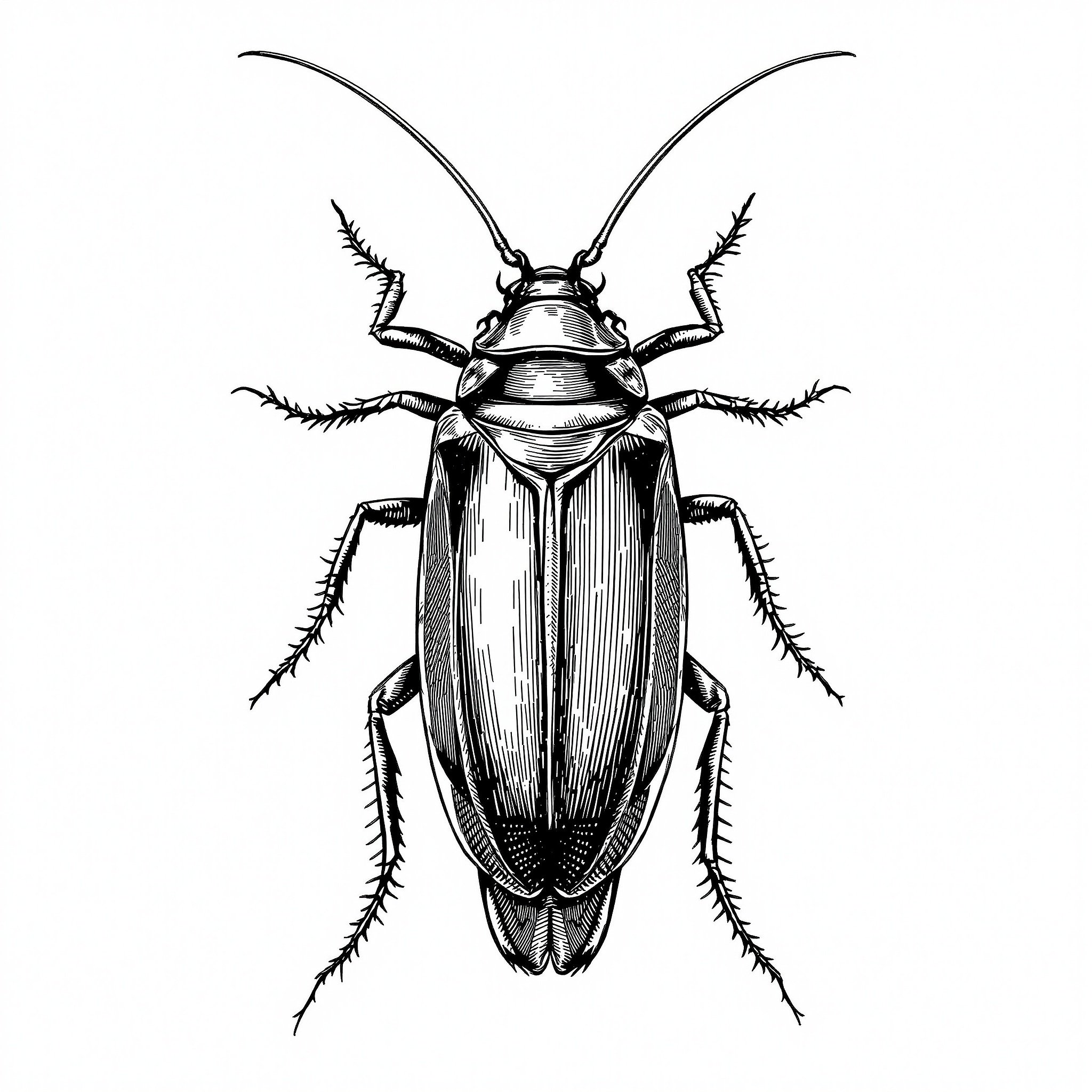
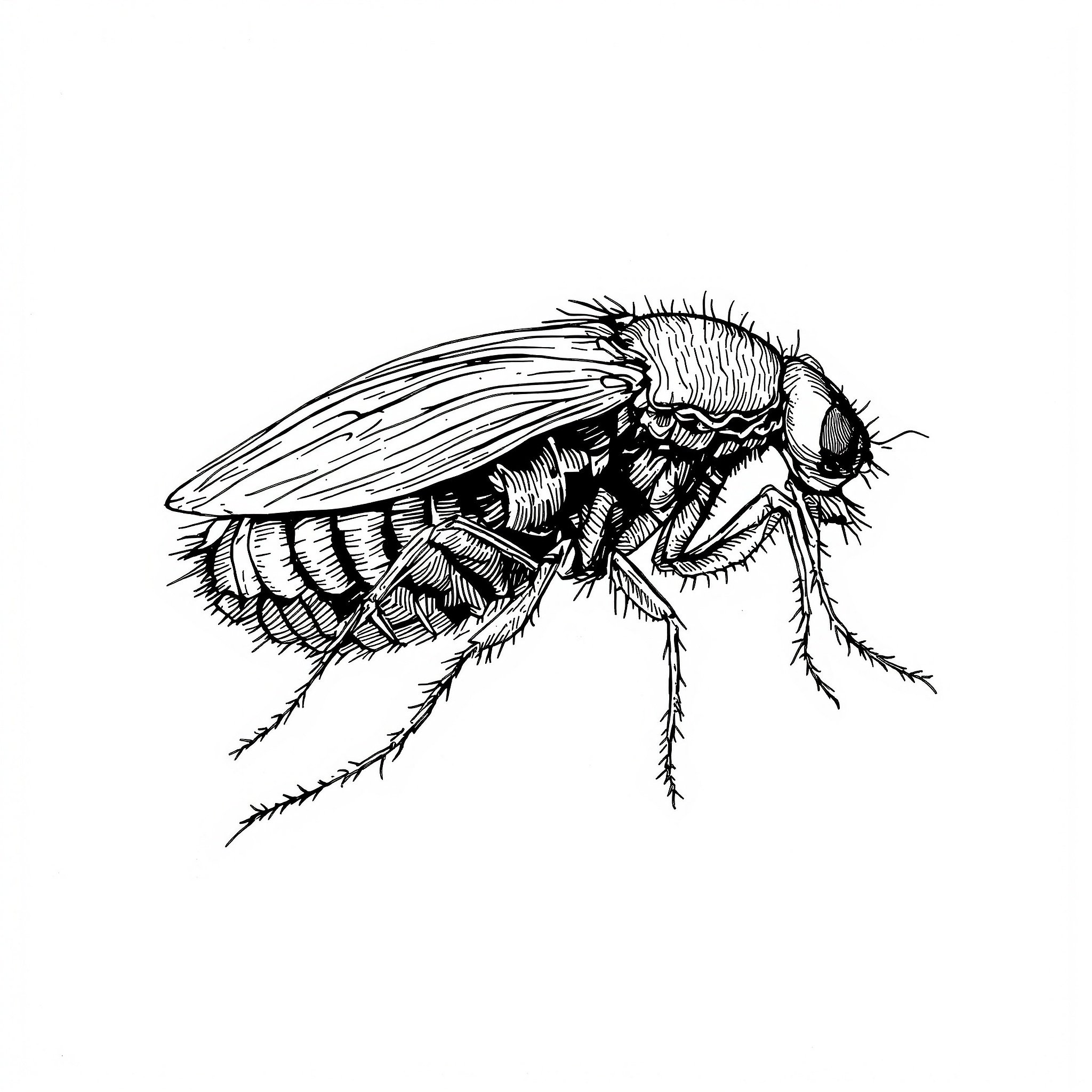
The American cockroach (Periplaneta americana) is the common "water bug" homeowners in Rusk encounter coming out of drains and sewer lines. Older homes in Downtown Rusk, where older structures and proximity to wooded lots increase rodent and termite risks., have more frequent sightings. Restaurants and food service near Texas State Railroad Depot carry higher overall roach pressure due to dumpster areas. Romex pairs IGR (insect growth regulator) treatments in basements and crawl spaces with Advion gel bait placements in kitchens to break the reproductive cycle.
Prevention tip: Eliminate moisture around the foundation: fix splash blocks, grade soil away from the house, and repair any dripping outdoor faucets.
Our Tyler branch team knows Rusk's unique Piney Woods pest pressures and sandy loam soil conditions that attract termites and fire ants.
We understand how Rusk's dense loblolly pine forests and proximity to Jim Hogg State Park create ideal habitats for ticks, spiders, and wildlife pests.
Our technicians are experienced with Rusk's older downtown buildings and heritage structures that are vulnerable to termite and rodent infestations.
We customize treatments for Rusk's 47-inch annual rainfall and humid subtropical climate that fuel year-round mosquito and ant activity.
All Romex technicians are licensed by the Texas Department of Agriculture as required by state law. Properties near Jim Hogg State Park may have additional environmental considerations for treatment applications.
Rusk has a humid subtropical climate with average summer highs around 92°F and winter lows near 36°F. The area receives approximately 47 inches of rainfall per year, supporting dense vegetation and high humidity. These conditions promote year-round activity for pests like mosquitoes, termites, and ants.
Rusk’s location in the Piney Woods means abundant trees and undergrowth, offering shelter to termites, carpenter ants, and rodents. The sandy loam soils and frequent rainfall create standing water, ideal for mosquito breeding. Proximity to forests and creeks also increases encounters with wildlife pests and ticks.
Warm, wet conditions spur termite swarming and fire ant mounds, while mosquito populations surge after spring rains. Preventative treatments are a high priority.
High humidity and frequent storms keep mosquito activity elevated, and tall grass or brush promotes ticks and spiders. Rodent activity increases around food sources.
Fire ants remain active after autumn rains, and rodents begin seeking indoor shelter as nights cool. Stink bugs may enter homes for overwintering.
Rodents exploit warmth in homes and businesses, while insects like ladybugs and spiders seek shelter indoors. Pest activity is reduced but persistent.
Pro Tip: Rusk homeowners save up to 40% with year-round protection plans that proactively treat for seasonal pests before they become infestations.
The historic Texas State Railroad in Rusk once transported timber, a major local industry that contributed to termite challenges by increasing wood debris and stumps in surrounding forests.
TDA-licensed professionals serving Cherokee County since 2016. Full liability and workers' compensation coverage.
Professional pest control tailored to Rusk's local conditions. Targeted treatments that minimize chemical use while maximizing effectiveness. We also guide homeowners on IPM strategies they can implement between visits.
Certified specialists in Sentricon® Always Active™ termite baiting. Essential protection for Cherokee County properties.
Direct, straightforward answers to the most common pest control questions we hear from homeowners and property managers in Rusk. Pricing always depends on the size of your property and the severity of the infestation — schedule a free inspection for a tailored quote.
Real pest treatment data from our Rusk service records — not estimates.Updated April 2026
Quarterly & preventive treatments for common household pests
Targeted treatments requiring specialized protocols & equipment
Rusk's diverse climate zones create unique pest challenges across the state, from Gulf Coast humidity to arid western regions.
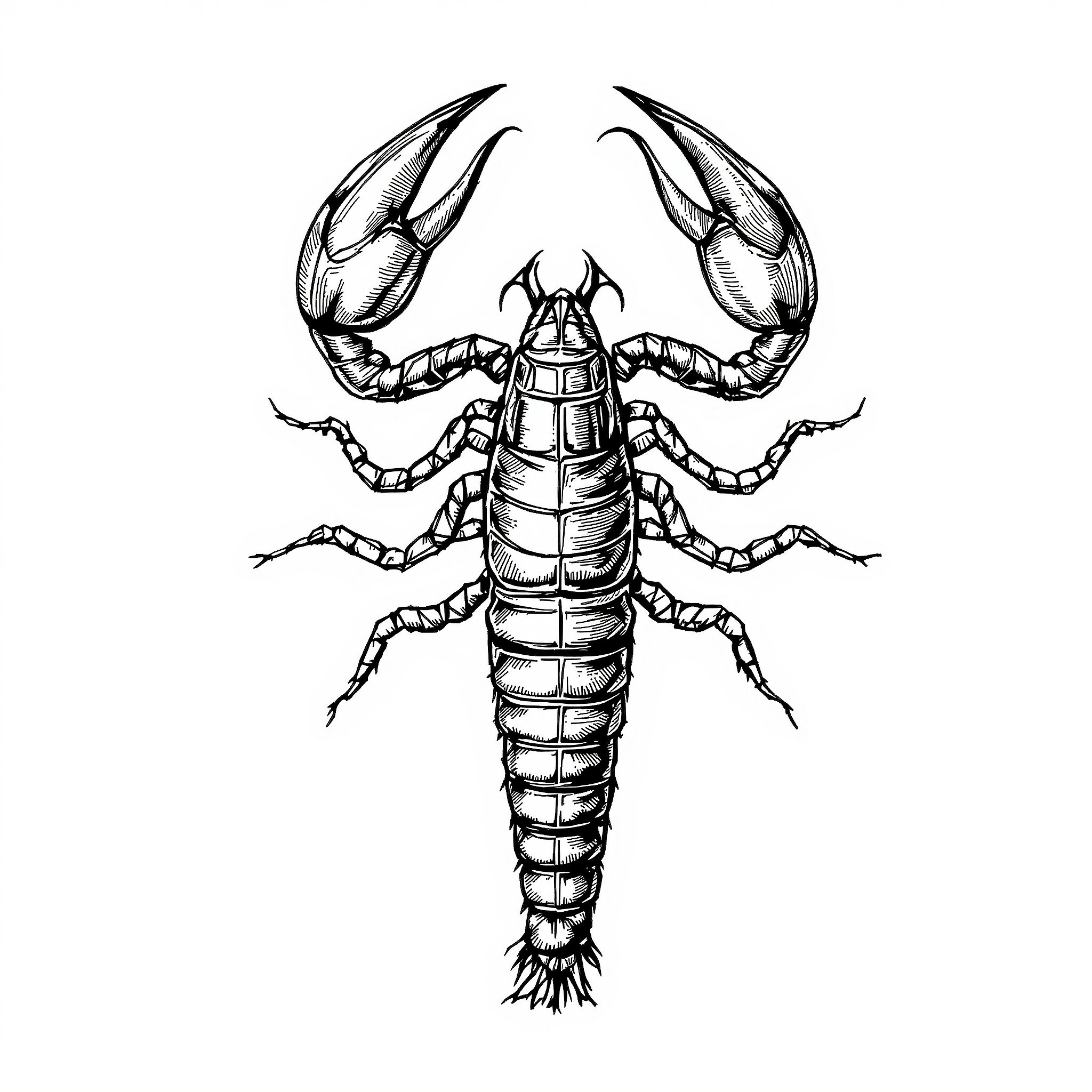
Texas's size and climate diversity mean pest pressures vary significantly by region. Gulf Coast areas battle moisture-loving pests like termites and cockroaches, while central and west Texas deal with drought-adapted species like scorpions. Understanding your local pest ecosystem is crucial for effective control.
Year-round pest activity requires consistent monitoring and treatment
Climate zone determines primary pest threats - coastal vs. inland strategies differ
Integrated Pest Management (IPM) combining exclusion, sanitation, and targeted treatment works best
Fire ant management requires community-wide efforts for best results
Verified reviews from Rusk and surrounding areas
Reviews are from Google Business Profile and updated weekly
See all reviews on GoogleComprehensive protection against common household pests
Romex technicians route through Rusk daily. The map below shows the city and surrounding area we serve.
Spring activity — schedule preventive treatment now.
“Romex solved our fire ant problem in our North Rusk yard after the spring rains. They really know East Texas pests!”
Rusk sits in Cherokee County, where rusk sits in the Piney Woods region of East Texas, characterized by sandy loam soils and gently undulating terrain at an elevation of about 495 feet. The region is densely forested with loblolly and shortleaf pine, as well as hardwoods, providing ample habitat for numerous pest species. Distant from major rivers but near several small creeks and ponds, the area’s moisture and shade create ideal conditions for insects and rodents. These local features shape which pests thrive here. Romex Pest Control builds every treatment plan around this knowledge. We use biological, cultural, physical, and chemical methods endorsed by the EPA. The goal is simple: manage pests with less risk to your family, property, and the environment.
Rusk’s location in the Piney Woods means abundant trees and undergrowth, offering shelter to termites, carpenter ants, and rodents. The sandy loam soils and frequent rainfall create standing water, ideal for mosquito breeding. Proximity to forests and creeks also increases encounters with wildlife pests and ticks. Rusk has a humid subtropical climate with average summer highs around 92°F and winter lows near 36°F. The area receives approximately 47 inches of rainfall per year, supporting dense vegetation and high humidity. These conditions promote year-round activity for pests like mosquitoes, termites, and ants. Because of these local pressures, our technicians change their approach month to month. In spring, we focus on moisture control and perimeter barriers. Summer means targeting mosquito breeding sites. Fall calls for rodent exclusion as temps drop. Winter treatments tackle cockroaches and other pests that stay active indoors.
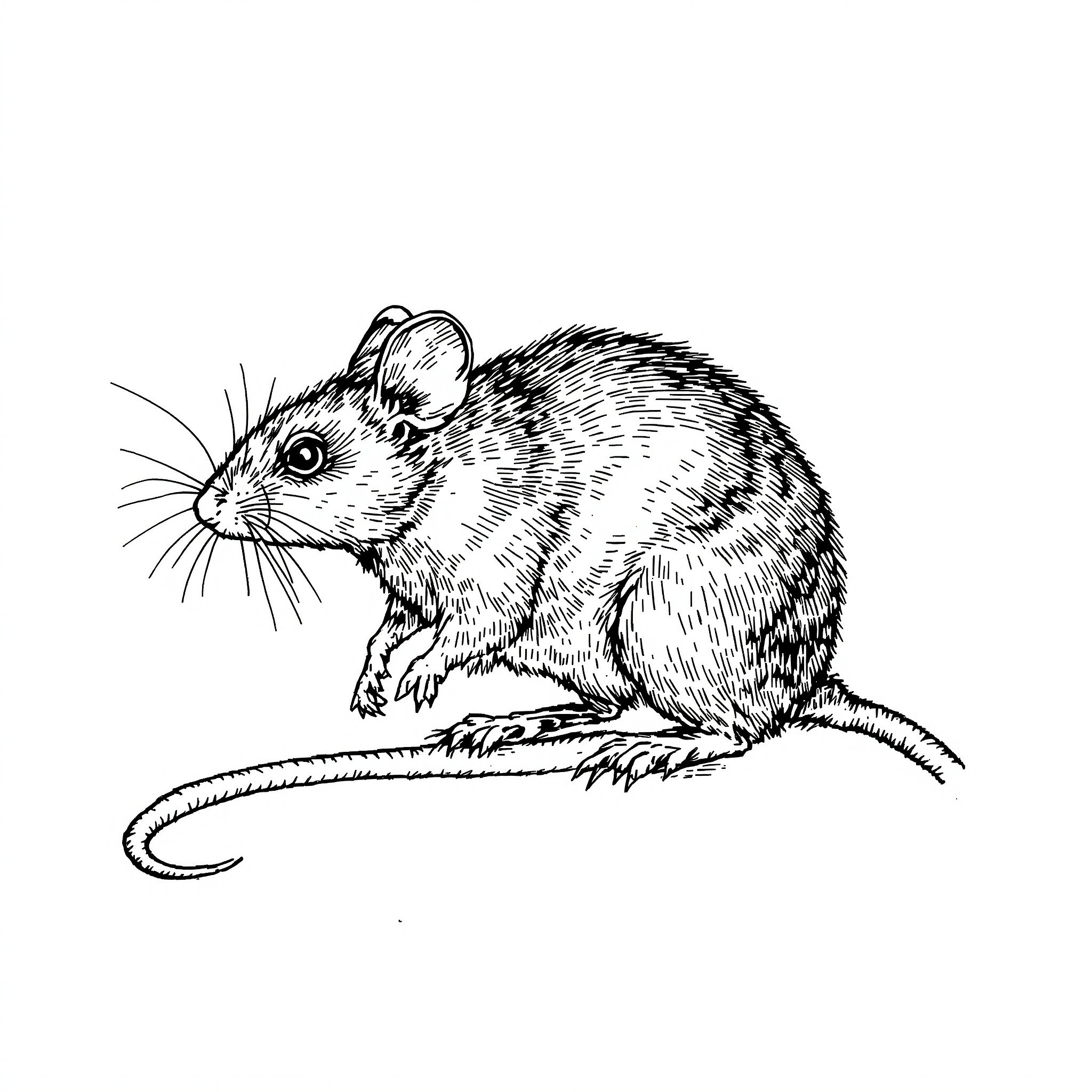
Every Romex treatment in Rusk follows four steps: inspect, identify, treat, and monitor. After the first service, we set up regular check-ins to catch new pest activity early. In neighborhoods like Downtown Rusk, North Rusk, South Rusk, our technicians see distinct pest patterns—older structures and proximity to wooded lots increase rodent and termite risks.. This proactive approach means less product overall and longer-lasting results for Rusk homeowners.
When you book pest control with Romex in Rusk, you get a treatment program built for Cherokee County conditions. Near Texas State Railroad Depot and Rusk Footbridge, the surrounding greenery and foot traffic contribute to pest activity year-round. Here is what to expect from your first visit through ongoing protection:
Your Romex technician inspects your Rusk property inside and out. We check the foundation, attic, crawl spaces, plumbing entry points, landscaping, and moisture-prone spots. Because Rusk’s terrain features rusk sits in the piney woods region of east texas, characterized by sandy loam soils and gently undulating terrain at an, we pay close attention to moisture pathways and soil-contact points. We document every finding and share it with you before treatment starts.
Getting the ID right matters. Different pest species need different treatments. Our technicians pinpoint the exact species, check population levels, and assess risk factors for your property. In Rusk, pest pressures vary by neighborhood. Downtown Rusk tends to see older structures and proximity to wooded lots increase rodent and termite risks. Meanwhile, North Rusk faces different challenges: suburban lawns and gardens attract fire ants and mosquitoes, especially after rains. We also look for conditions that attract pests—standing water, wood touching soil, and gaps in exterior seals.
Based on what we find, we apply targeted treatments chosen for the pests on your property. We keep exposure low for your family and pets. Options include perimeter barriers, crack-and-crevice treatments, baiting systems, granular products, and exclusion work. For termite protection in Rusk, we offer Sentricon® Always Active™ bait stations—the most trusted colony removal technology available. All products are applied by Texas Department of Agriculture (TDA)-licensed technicians.
Pest control is not a one-time fix—especially in Texas's climate. After your first treatment, we set up recurring visits on an every-other-month to quarterly cadence (roughly every 60 to 90 days) to refresh the residual product barrier before it can weaken to the point of becoming ineffective. Whether you are in Downtown Rusk or South Rusk, our schedule fits the specific pressures in your part of Rusk. Between visits, our satisfaction guarantee means if pests come back, so do we—at no extra cost.
Your Rusk home deserves year-round pest protection. Our residential programs cover the most common invaders: ants, spiders, cockroaches, rodents, mosquitoes, and fleas. Given Rusk’s landscape—rusk sits in the piney woods region of east texas, characterized by sandy loam soils and gently undu—we target entry points and hiding spots specific to this area.
Plans include initial indoor and outdoor treatment, regular perimeter care, web removal, wasp nest removal, rodent checks, and seasonal treatments. We work during time windows that fit your schedule and always clean up. Most treatments need just 30 to 60 minutes before re-entry. That makes them safe and easy for busy Rusk families with kids and pets.
Rusk businesses face their own pest challenges. Restaurants, retail stores, warehouses, offices, and healthcare buildings each have different rules and risks. Properties near busy spots like Texas State Railroad Depot need proactive programs that stop pest sightings before they hurt a business’s reputation.
Our commercial programs include service reports, compliance-ready records, discreet vehicles and uniforms, after-hours scheduling, and emergency response for surprise sightings. We work with Rusk property managers, restaurant owners, and facility directors across Cherokee County to build pest plans that protect their staff, customers, and reputation.
Professional pest control is most effective when combined with good prevention habits. In Rusk, rusk has a humid subtropical climate with average summer highs around 92°F and winter lows near 36°F. The area receives approximately 47 inches of rainfall per year, supporting dense vegetation and high humidity. These conditions promote year-round activity for pests like mosquitoes, termites, and ants. Here are practical steps Rusk homeowners can take between service visits to reduce pest attractants:
Fix leaky faucets. Make sure water drains away from your foundation. Use dehumidifiers in damp basements or crawl spaces. With Rusk’s waterways nearby, moisture control is extra important. Check sprinkler systems often to stop standing water near your Rusk home's foundation.
Trim tree branches and shrubs at least 18 inches from your home. Clear leaf litter, mulch buildup near foundations, and dead wood from your yard. Keep firewood at least 20 feet away and off the ground. Good yard care around Cherokee County homes cuts down hiding spots for spiders, ants, and rodents.
Check your Rusk home for gaps around pipes, foundation cracks, torn screens, and spaces under doors. Even tiny openings let in insects and mice. Seal them with weatherstripping, door sweeps, caulk, and steel wool. Pay close attention to where utilities enter the building and around HVAC units.
Every Rusk property is different, so pest control pricing is quoted based on two main factors: the size of your property and the type and intensity of the pest problem. Romex provides free inspections and transparent, upfront pricing with no hidden fees—so you know exactly what to expect before any work begins.
Larger homes and commercial properties require more product, more time, and broader perimeter coverage. Your quote reflects the actual square footage and layout of your Cherokee County property—not a one-size-fits-all estimate.
A minor ant issue costs less than a severe termite infestation or a multi-room rodent problem. We assess the species, severity, and access points during your free inspection so the quote matches the actual work needed.
Targeted visit for a specific pest issue or seasonal flare-up.
Year-round protection with seasonal adjustments. Most popular for Cherokee County homes.
Sentricon® baiting system installation and ongoing monitoring.
Get a free pest control quote today and join hundreds of satisfied customers in Rusk.