
Formosan Subterranean Termite
Coptotermes formosanus
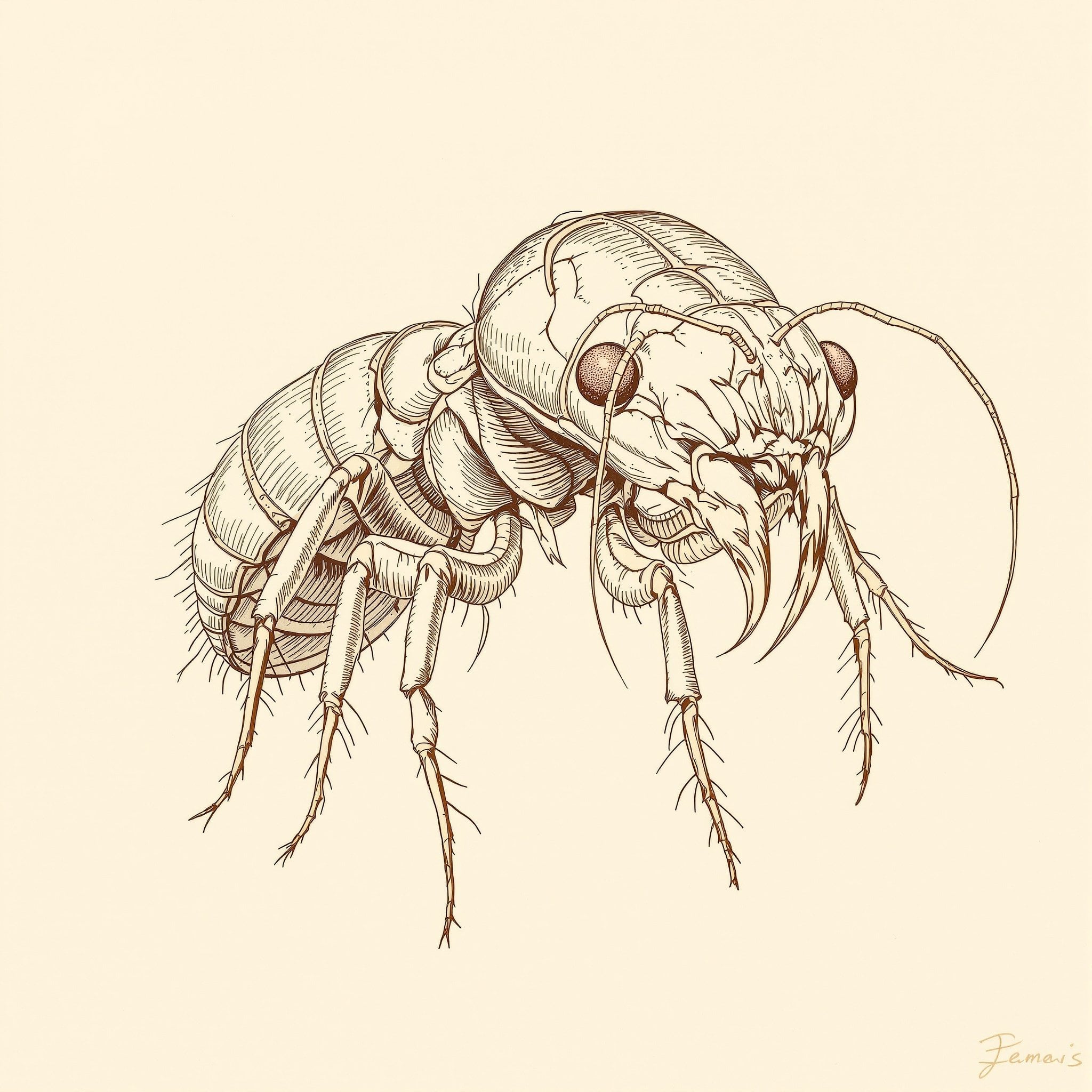
Scientific illustration for identification purposes
Overview
Formosan termites are the most destructive termite species in the United States. Native to Asia, they form massive colonies of millions of individuals and can cause severe structural damage in months rather than years. They are sometimes called "super termites."
How to Identify
- Yellowish-brown swarmers with hairy wings
- Soldiers have oval heads (not rectangular)
- Soldiers emit white defensive secretion when disturbed
- Swarm at dusk attracted to lights
- Build carton nests (chewed wood mixed with soil and feces)
Behavior
Formosan termites form massive colonies with millions of workers. They can build aerial nests (carton nests) that do not require ground contact. They are extremely aggressive feeders that can severely damage structures quickly.
Habitat
Primarily subterranean but can build above-ground carton nests in moist locations. Found in soil, in structures, and in living trees. Attracted to lights during swarming.
Diet
Consume cellulose in wood, paper, and other plant materials at a rate much faster than other termite species.
Reproduction
Queens can produce 1,000+ eggs per day. Mature colonies contain millions of individuals. Swarm in late spring, typically at dusk.
Distribution in the Southern U.S.
Established in Southeast Texas (Houston area), Louisiana (especially New Orleans), Mississippi, and spreading.
Regional Notes
Formosan termites cause approximately $1 billion in damage annually in the United States. They are a significant threat to historic structures in the South.
Signs of Infestation
- Massive swarms at dusk in late spring
- Swarmers attracted to lights at night
- Carton (mud-like) material in walls or trees
- Extensive mud tubes on foundations
- Rapid and severe wood damage
Prevention Tips
- Annual professional termite inspections essential
- Eliminate wood-to-soil contact
- Fix moisture problems immediately
- Remove dead trees and stumps from property
- Install and maintain termite barriers
- Monitor for swarmers in spring
When to Contact a Professional
Contact a termite professional immediately for any signs of Formosan termites. These are extremely destructive and require professional treatment. Sentricon and liquid treatments are effective.
Romex Pest Control provides professional formosan subterranean termite control services across Texas, Oklahoma, Louisiana, and Mississippi.
Learn about our formosan subterranean termite control servicesFrequently Asked Questions
Why are Formosan termites called super termites?
Formosan termites form colonies with millions of individuals (compared to hundreds of thousands for native termites). They consume wood much faster and can cause severe damage in months rather than years.
How do I know if swarmers are Formosan termites?
Formosan swarmers are yellowish-brown, have hairy wings, and swarm at dusk (not during the day like most native termites). They are strongly attracted to lights.
Latest Research & News
Recent developments about formosan subterranean termite
Get the latest news and research about formosan subterranean termite
Click "Load News" to fetch recent articles from scientific sources