
Lone Star Tick
Amblyomma americanum
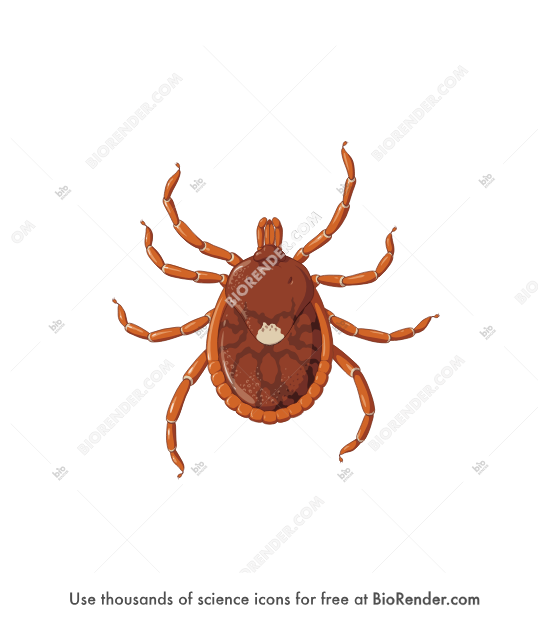
Scientific illustration for identification purposes
Overview
Lone star ticks are aggressive biters common in the South. Females have a distinctive white spot on their back. They can transmit ehrlichiosis, tularemia, STARI, and are associated with alpha-gal syndrome (red meat allergy). All life stages bite humans.
How to Identify
- Reddish-brown color
- Female has single white spot on back (the "lone star")
- Males have scattered white markings
- Long mouthparts
- Very aggressive biters
Behavior
Lone star ticks are aggressive "hunter" ticks that actively seek hosts. Unlike some ticks, all life stages readily bite humans. They can detect hosts from considerable distances by sensing carbon dioxide and body heat.
Habitat
Found in wooded areas, brushy fields, and areas with tall grass. Commonly encountered along trails, forest edges, and in suburban landscapes adjacent to natural areas.
Diet
All three active life stages (larva, nymph, adult) feed on blood. They can feed on many host species including deer, humans, dogs, and birds.
Reproduction
Females lay 3,000-5,000 eggs after feeding. Larvae hatch and must feed before molting to nymphs. Nymphs must feed before becoming adults. Full lifecycle takes 2-3 years.
Distribution in the Southern U.S.
Very common throughout Texas, Oklahoma, Louisiana, and Mississippi. The primary tick species encountered in the region.
Regional Notes
Lone star ticks are the most common tick encountered in the South. Their aggressive behavior and ability to cause alpha-gal syndrome (red meat allergy) make them medically significant.
Signs of Infestation
- Finding ticks on body after outdoor activities
- Tick bites, especially multiple bites
- Ticks in yard or garden areas
- Ticks on pets after outdoor time
- Seed ticks (larvae) causing many small bites
Prevention Tips
- Wear long pants and sleeves in tick habitat
- Use DEET or permethrin-based repellents
- Check body thoroughly after outdoor activities
- Shower within 2 hours of coming indoors
- Use tick preventives on pets
- Keep grass cut short and remove leaf litter
When to Contact a Professional
Contact a professional for yard treatments to reduce tick populations. Consult a physician if you develop fever, rash, or other symptoms after a tick bite.
Romex Pest Control provides professional lone star tick control services across Texas, Oklahoma, Louisiana, and Mississippi.
Learn about our lone star tick control servicesFrequently Asked Questions
What is alpha-gal syndrome?
Alpha-gal syndrome is a food allergy to red meat and some other products from mammals. It can develop after lone star tick bites. Symptoms appear 3-6 hours after eating red meat and can include hives, digestive upset, and anaphylaxis.
What diseases do lone star ticks transmit?
Lone star ticks transmit ehrlichiosis, tularemia, STARI (Southern tick-associated rash illness), and Heartland virus. They are also associated with alpha-gal syndrome (red meat allergy).
Latest Research & News
Recent developments about lone star tick
Get the latest news and research about lone star tick
Click "Load News" to fetch recent articles from scientific sources